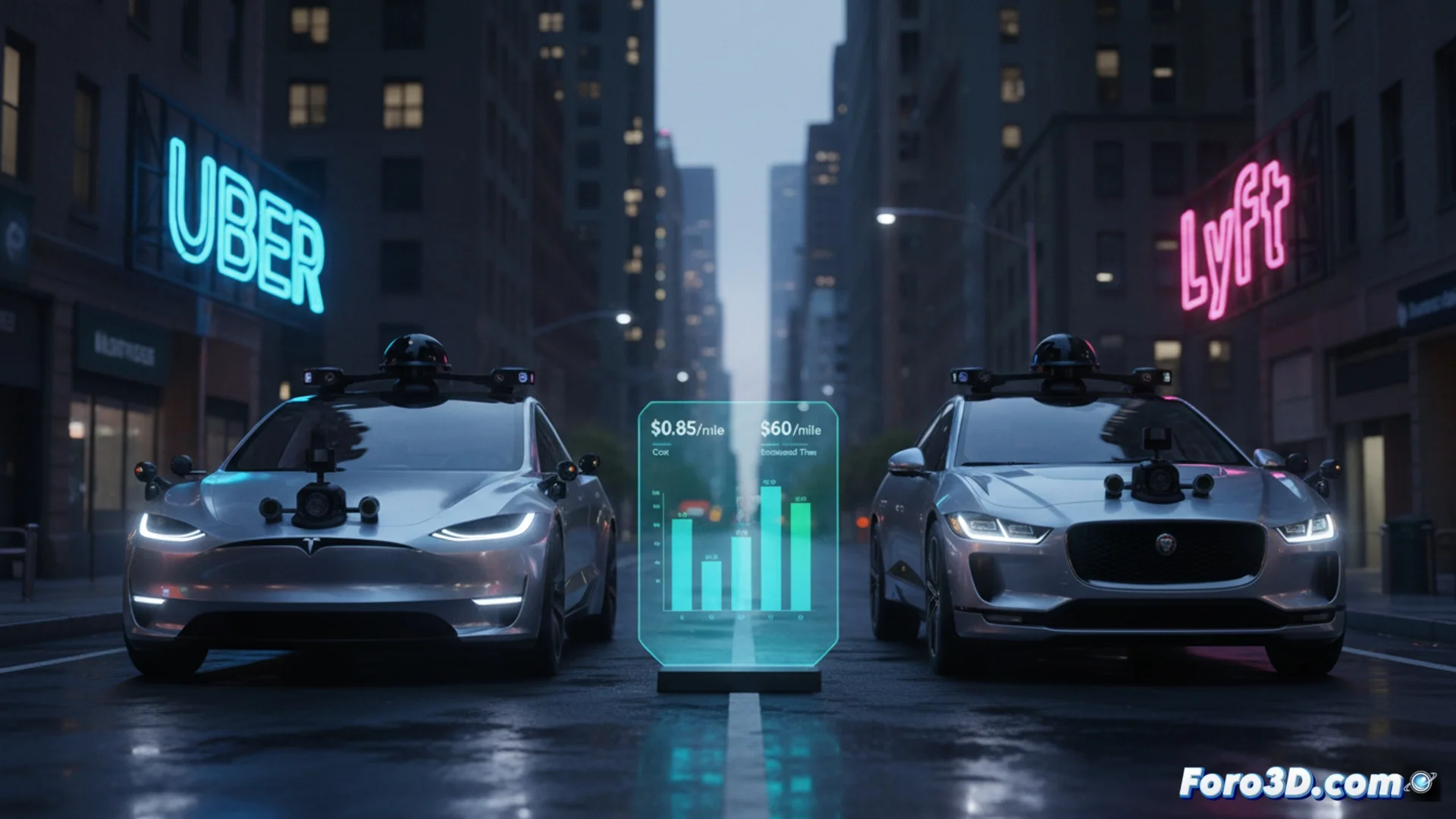
Tesla and Waymo Define Their Pricing Strategies for the Robotaxi
The driverless transportation landscape is dynamizing and projections on how much each trip will cost are generating discussion. Two giants, Tesla and Waymo, embody opposing economic approaches to make the robotaxi service a reality. A recent study evaluates how their fares could be measured against operators like Uber, bringing this future closer to the general public. 🚖
Tesla's Vision: Minimal Fares with a Dedicated Vehicle
Elon Musk has indicated that a trip in Tesla's future robotaxi could cost less than a dollar per mile. This estimate is based on producing and operating a low-cost vehicle that does not require a human at the wheel. The key lies in using the vehicle intensively, for many hours a day, to spread fixed costs and achieve prices that challenge today's ride-sharing trips.
Pillars of Tesla's Economic Model:- Design and manufacture a vehicle specifically to be a robotaxi, optimizing costs.
- Completely eliminate the driver's salary, the most expensive component currently.
- Maximize asset utilization so it performs almost constantly.
High vehicle utilization, operating many hours a day, distributes fixed costs and allows for very competitive prices.
Waymo's Approach: Scale with the Current Fleet and Software
Waymo, owned by Alphabet, already manages and charges for autonomous services in areas of San Francisco and Phoenix. Its current fares resemble those of Uber Premium, but the company trusts that costs will decrease as technology advances and expands its operations. Its plan does not rely on a new and cheap car, but on perfecting the existing fleet and software in models like the Jaguar I-PACE.
Key Elements of Waymo's Strategy:- Operate with a fleet of vehicles already available on the market, like the Jaguar I-PACE.
- Invest in developing and optimizing autonomous driving software.
- Reduce costs gradually through experience and scale of operations.
The Decisive Factor: Algorithm Intelligence
While experts debate tenths of a dollar per mile, what users really expect is efficiency and common sense. Ensuring the system does not choose the longest and most scenic route when in a hurry will be crucial. In the end, the effectiveness of the algorithm in planning routes will become the true taximeter that defines customer satisfaction and service viability. 🤖