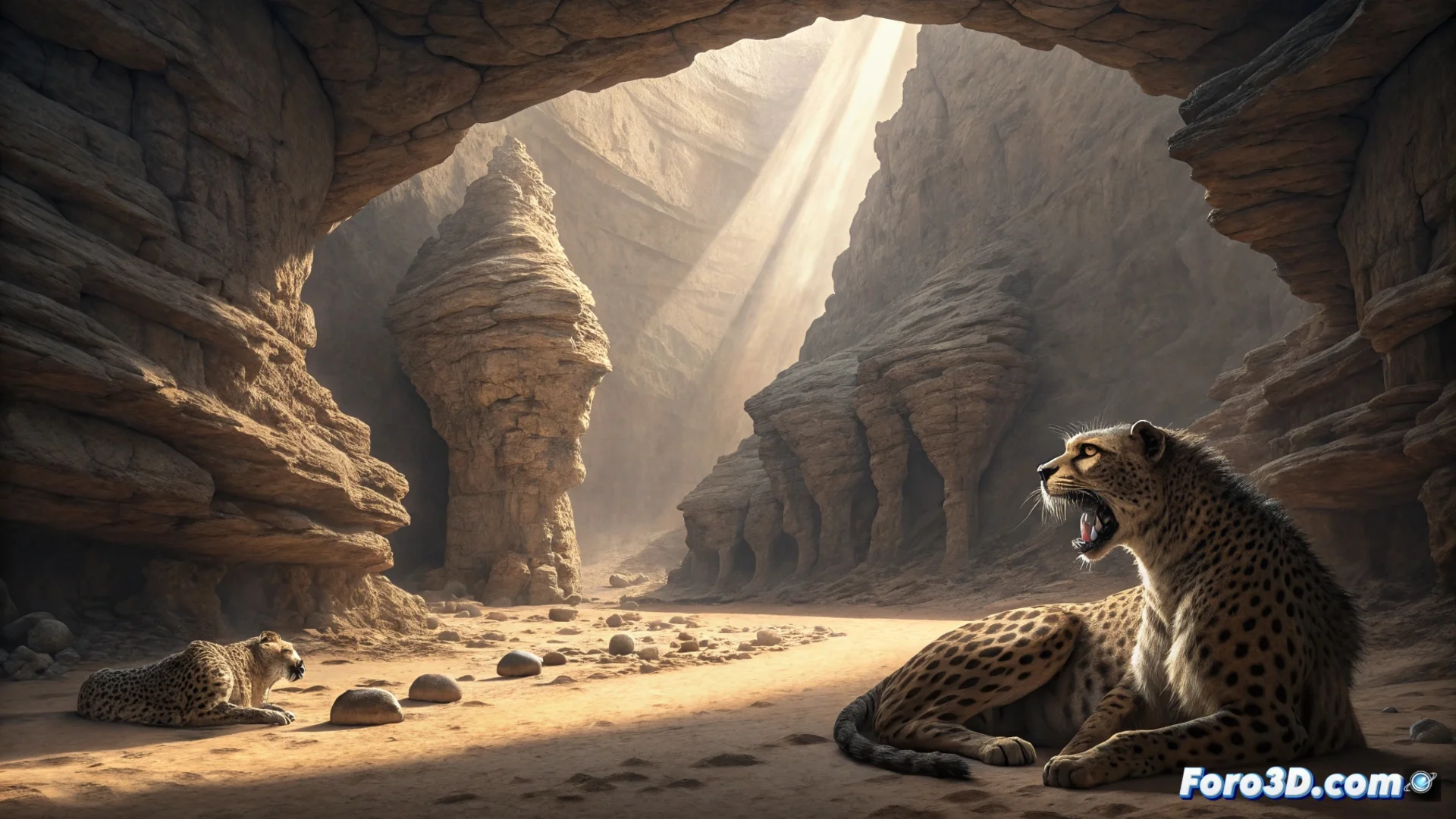
Researchers Find Naturally Mummified Cheetahs in Saudi Arabia
A group of scientists located in a network of caves near Arar, in northern Saudi Arabia, a set of cheetah remains that retain soft tissues in an uncommon state. The deposit includes seven complete individuals with skin and fur, as well as bones from many dozens more. This event is not the product of intentional mummification, but a rare example of natural preservation in large mammals. The condition of the specimens enables precise analysis of a population of this species, which ceased to exist in the Arabian Peninsula decades ago. 🐆
The Environment that Dried the Corpses
The particular conditions inside the cave, with a dry and stable atmosphere, caused the bodies to dehydrate before fully rotting. This phenomenon, known as natural mummification, is uncommon for animals of this size in desert climates. Experts indicate that the microclimate inside the cavity acted as a drying chamber, preserving skin, muscles, and other soft tissues over a period of time that is still being calculated.
Key Preservation Factors:- Constantly dry interior atmosphere.
- Temperature stability in the cave environment.
- Absence of biological agents that initiate decomposition.
This natural deposit functions as a unique biological archive for science.
The Importance of the Discovery for Science
This site acts as an exceptional biological record. Researchers can now extract genetic material and examine stable isotopes from the preserved tissues. This information helps reconstruct the genetic heritage, diet, and habitat where these felines lived. The analysis provides concrete data on the last native population in the area, helping to better understand the reasons that caused their local disappearance.
Enabled Areas of Study:- Sequencing the ancient DNA of the specimens.
- Determining the diet through isotope analysis.
- Characterizing the ecological environment of the time.
An Unexpected Legacy of the Desert
It seems that these cheetahs found a site so arid to rest in that even their fur refused to disintegrate, providing researchers with an unexpected gift many years after the species was absent. This finding underscores how natural processes can create time capsules that illuminate lost chapters of natural history. 🔍