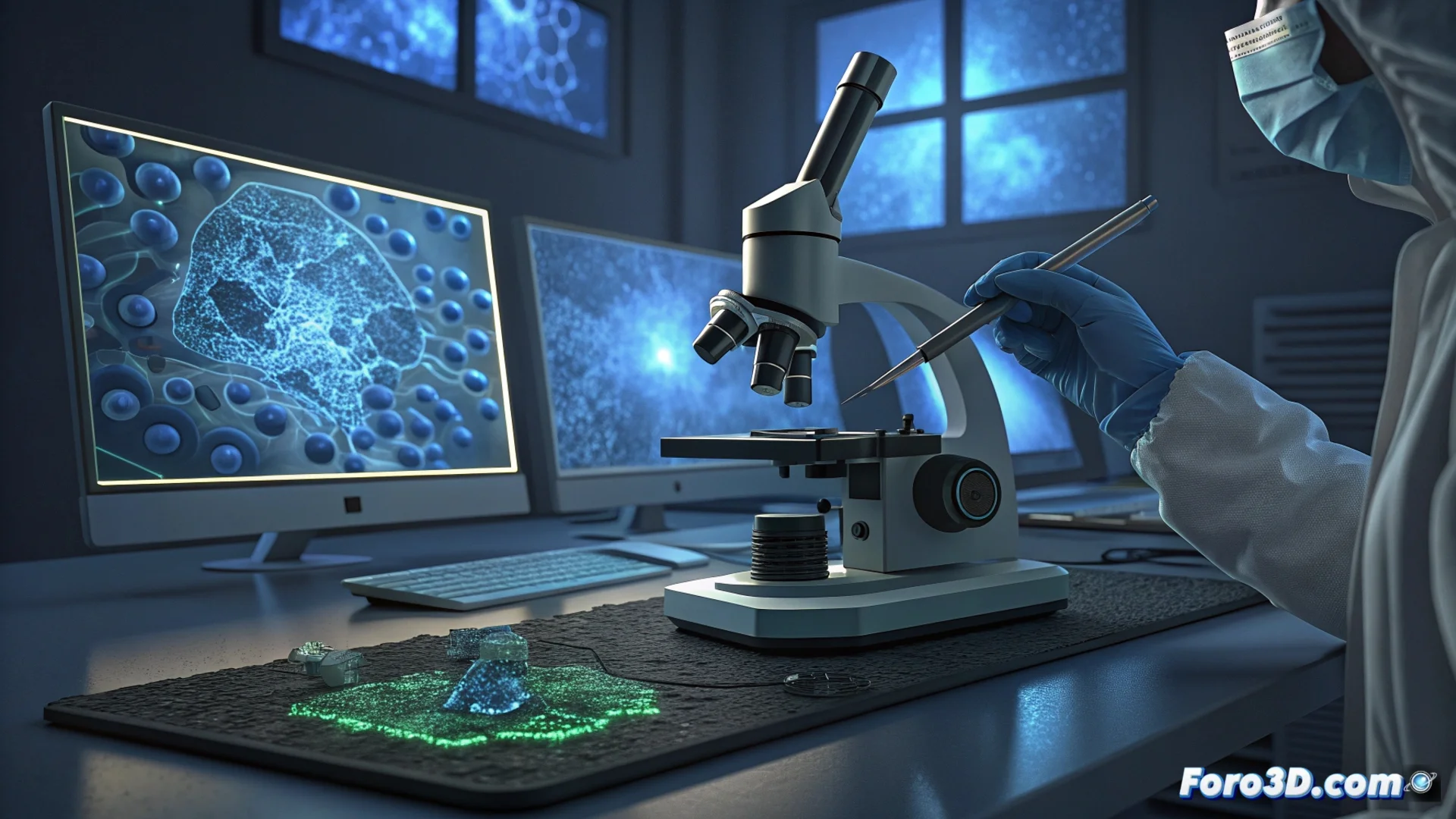
Reconstruct a Detonator from Its Micro Fragments
When an explosive device detonates, the physical evidence is often reduced to micro fragments of metal and plastic. To analyze them without damaging them, experts resort to three-dimensional digitization. This process marks the beginning of a complex technological forensic investigation. 🔍
Digitizing the Microscopic Remains
The crucial first step is to capture the exact geometry of each tiny piece. For this, high-resolution 3D microscopes, such as the Artec Micro or Keyence VR models, are used. These devices not only take photographs but generate a point cloud or a precise three-dimensional mesh of each fragment.
Key advantages of 3D scanning:- Allows manipulation and study of the fragments in a non-destructive way, preserving the original evidence.
- Creates an exact digital file that records the surface texture and shape of each piece.
- Serves as the basis for the next step: the virtual assembly of the circuit.
The biggest challenge is sometimes not assembling the fragments, but finding the patience to fit the thousandth piece of a capacitor that looks identical to all the others.
Assembling the Digital Circuit Puzzle
With all the 3D models ready, the reconstruction phase begins. Using specialized software like Geomagic Wrap, technicians align and join the digital pieces. They look for matching edges, broken solder marks, or copper trace patterns that fit together.
Objectives of this virtual reconstruction:- Recompose the detonator base board with the greatest possible fidelity.
- Visualize the complete circuit design to understand how it worked.
- Identify the specific electronic components that were used.
Tracing the Design Origin
Once the board design is reconstructed, the work focuses on identifying its origin. The schematic is compared with circuit databases using programs like KiCad or Eagle. This comparison can reveal whether the design was based on open-source plans from the internet, whether it used components from a specific manufacturer, or whether it matches patterns from other incidents. Identifying this origin is essential for tracing materials and technical knowledge, establishing possible links in an investigation. 🕵️♂️