Psychiatry Identifies Objective Brain Biomarkers
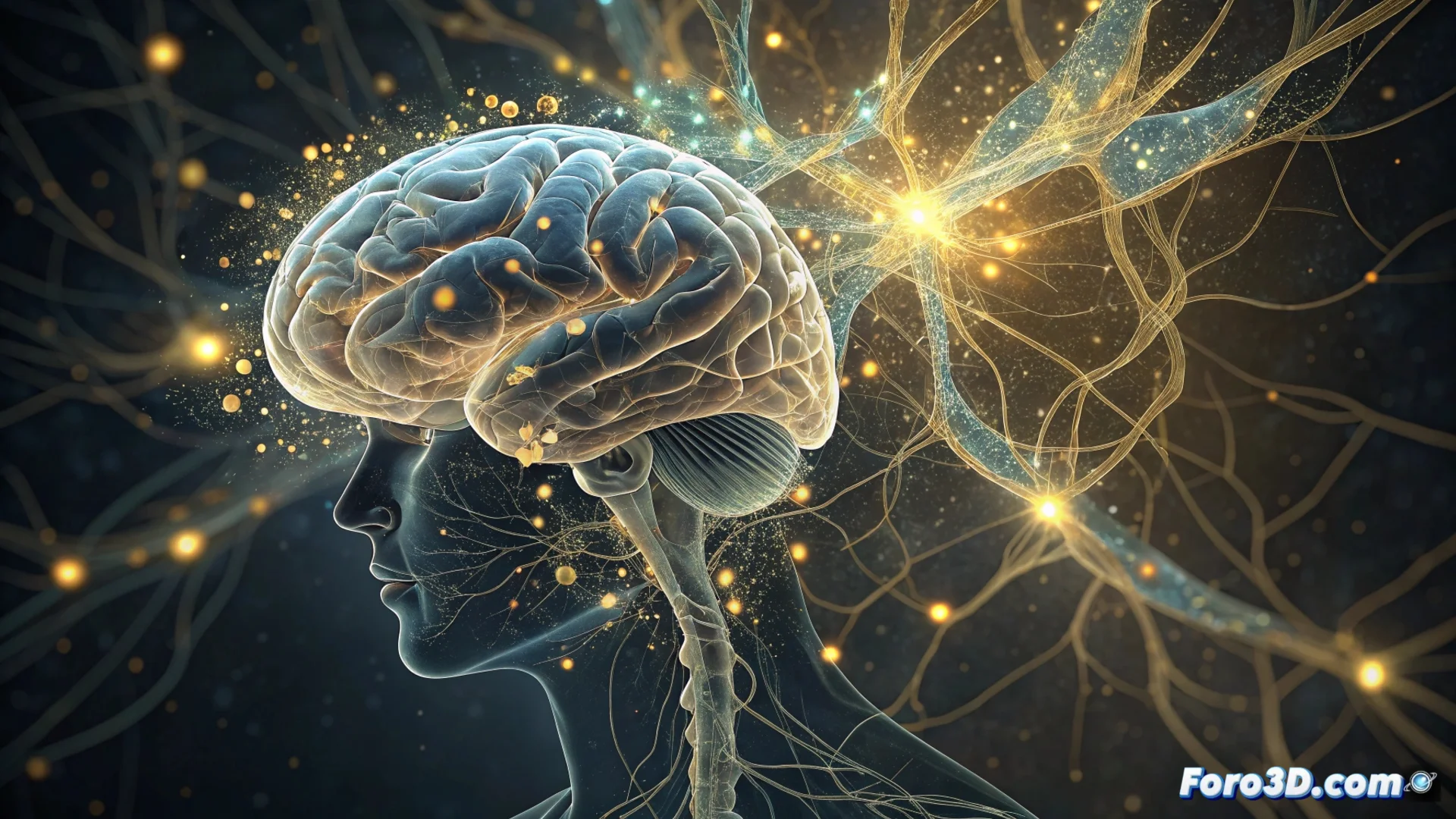
A study published in Nature Mental Health marks a turning point: the psychiatric discipline begins to use objective brain biomarkers to detect mental disorders. This approach seeks to move away from the almost exclusive reliance on symptoms reported by patients, a method that often complicates making an accurate diagnosis. The future of psychiatric diagnosis could be much more scientific 🧠.
The technique is based on MRI scans
The scientific team processed thousands of resting-state functional MRI scans. These data came from people with six different psychiatric diagnoses and a healthy control group. They used artificial intelligence so that an algorithm could learn to identify unique patterns in how different brain regions communicate. These functional connectivity patterns act as biological signatures that allow distinguishing between conditions like major depression, bipolar disorder, or schizophrenia with a high degree of precision.
Key details of the method:- Analyze data from functional MRI (fMRI) at rest.
- Apply artificial intelligence algorithms to process the information.
- Identify specific patterns in brain connectivity that serve as biomarkers.
This advance represents a step toward more precise psychiatry and based on biological evidence.
The finding could transform clinical diagnosis
Having an objective biological measure represents a paradigm shift. Doctors could diagnose earlier and with greater certainty, which in turn facilitates choosing the most appropriate treatment from the first moment. This not only can improve outcomes for patients but also reduce the time of uncertainty and misdiagnoses.
Implications and next steps:- Enable diagnosing with greater certainty and earlier.
- Facilitate selecting personalized treatments from the start.
- The authors emphasize that it is necessary to validate these findings in larger and more diverse population groups.
A manual of instructions yet to be deciphered
Although the human brain still holds countless secrets, this research indicates that we are beginning to decipher its biological language. Finding these "pages" of the manual that explain the most complex chapters of mental health is