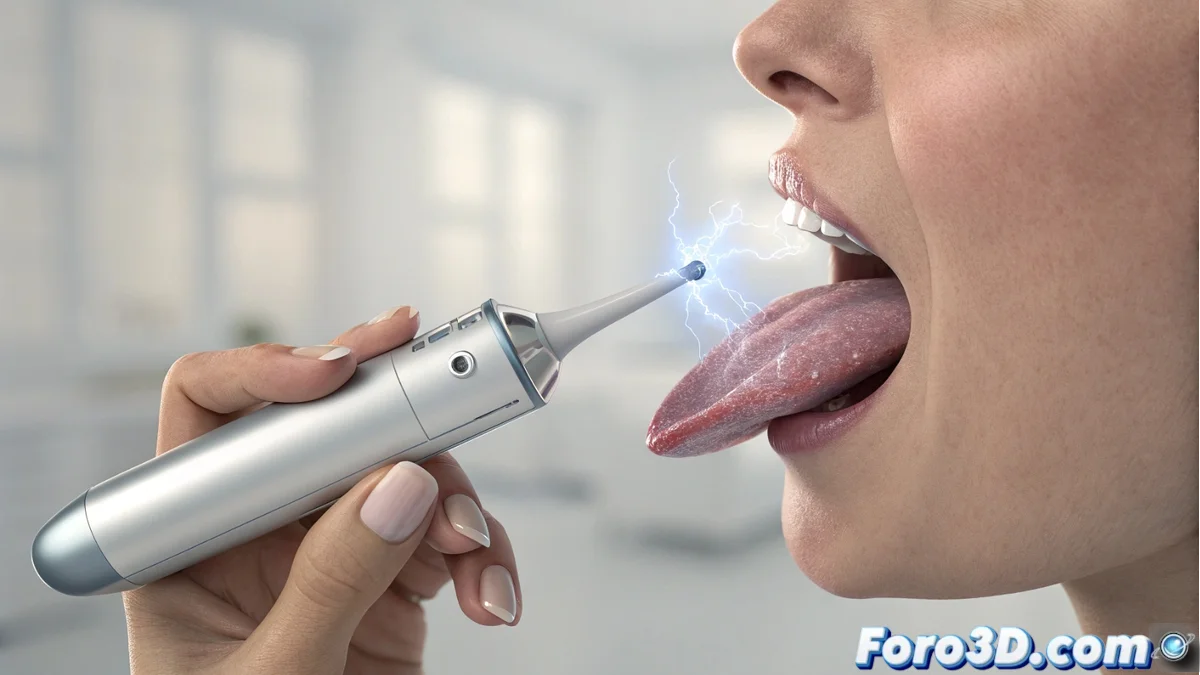
Portable Device Tricks Taste to Simulate Sweetness Without Sugar
A team of researchers has presented a portable device that can make the tongue perceive sweet flavors without the need for real sugar. This mechanism, which some refer to as digital lollipops, works through a precise combination of electrical impulses and temperature changes applied directly to the taste buds. 🍭
How Flavor Simulation Works
The device is placed on the surface of the tongue and emits gentle electrical pulses along with controlled thermal modulation. By altering these parameters, different types of sweetness can be imitated, such as that from sucrose or honey. The innovation lies in directly modifying the signals that receptor cells send to the brain, without introducing sugar molecules. This opens up new ways to design experiences in virtual reality environments or to help people who need to reduce calories.
Key Features of the System:- Applies combined electrical and thermal stimulation to the tongue.
- Allows adjusting parameters to replicate different sweetness profiles.
- Tricks the nervous system without using sugar molecules, avoiding calories.
The key is to modulate the neuronal signals that taste receptor cells transmit, without the need to introduce any real sugar molecules into the mouth.
Future Applications and Road Ahead
The developers are not limited to sweet flavor; they are currently researching how to replicate other basic tastes. Possible applications include integrating these simulators into immersive entertainment systems, where users can perceive virtual foods, or in therapies to rehabilitate the sense of taste after certain illnesses. However, scientists emphasize that it is an early-stage technology.
Research Areas and Considerations:- Explore the replication of salty, sour, bitter, and umami flavors.
- Integrate the device into virtual reality systems for complete multisensory experiences.
- Study long-term effects and how the brain processes these artificial stimuli sustainably.
The Future of Taste Perception
This advance suggests a future where enjoying a dessert could involve connecting a device to the tongue instead of eating a physical dish. Diet management could transform into a process of downloading personalized flavor profiles, fundamentally changing how we interact with food and perceive flavors digitally. 🔋