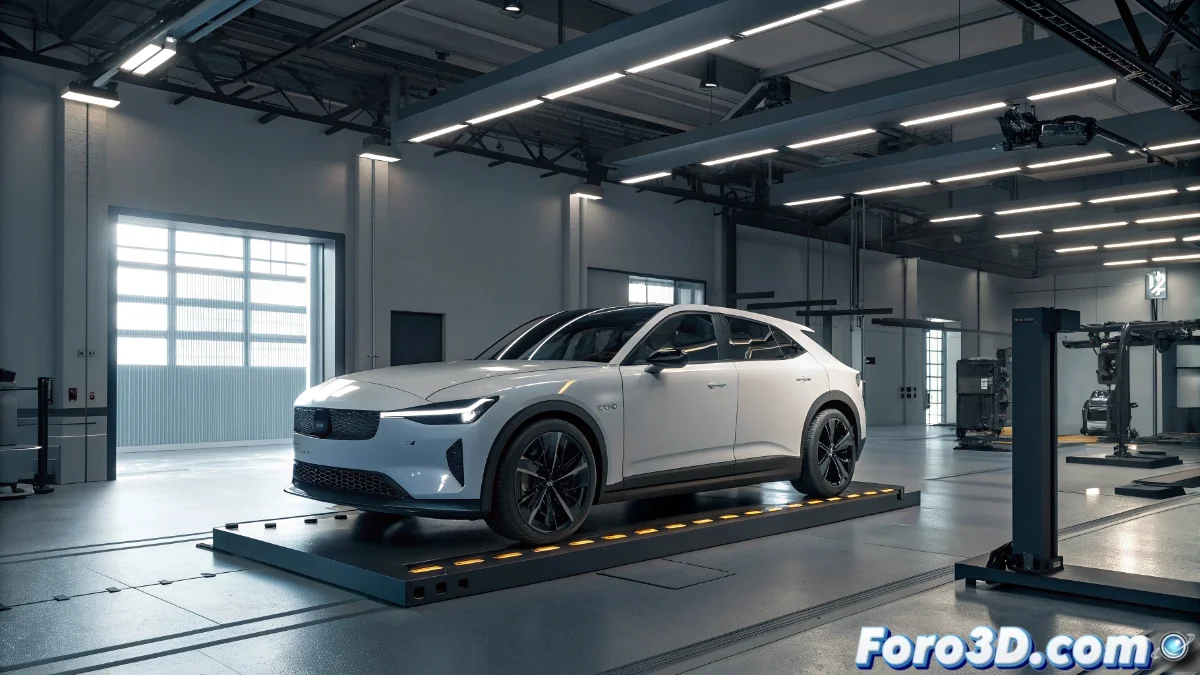
Polestar Uses 3D Printing to Optimize the Development of Its Electric Vehicles
The high-performance electric brand Polestar, part of the Geely | Volvo group, is revolutionizing its development process through intensive use of 3D printing during the testing phases of critical components. This methodology enables the generation of functional prototypes in record time, essential for validating both design and functionality before starting mass production, resulting in significant optimization of timelines and reduction of operating costs 🚗⚡.
Advantages in Manufacturing Mounts and Electronic Systems
In the development of the Polestar 2 model, additive manufacturing technology is actively applied in the creation of battery mounts and various electronic components. This speeds up mechanical strength and structural compatibility tests, ensuring that each element meets the brand's demanding safety and performance standards, without relying on slower and more expensive conventional manufacturing methods.
Key Applications in the Polestar 2:- Rapid manufacturing of battery mounts for durability and fit testing
- Production of prototype electronic components for compatibility verification
- Validation of safety standards through advanced physical simulations
3D printing allows us to iterate designs in days instead of weeks, accelerating our path to sustainable mobility.
Evaluation of Ergonomics and Drivetrain Components
Beyond electrical elements, Polestar extends the use of 3D printing to the production of user interface parts, such as buttons and levers, to evaluate ergonomics and the driving experience. In parallel, drivetrain components that require thorough verification before definitive tooling are additively manufactured, ensuring perfect integration in the final vehicle.
Additional Areas of Implementation:- Prototyping of user interfaces for usability and comfort testing
- Manufacturing of drivetrain parts for pre-tooling validation
- System integration using 3D printed components
Impact on Development Efficiency
Polestar's accelerated prototyping strategy demonstrates how 3D printing can transform automotive development cycles. Although it sometimes seems that more prototypes are produced than kilometers driven, this approach avoids traditional bottlenecks and ensures vehicles reach the market with the highest levels of quality and innovation 🔧✨.