Planar Reflections in Unreal Engine: Complete Implementation and Optimization Guide
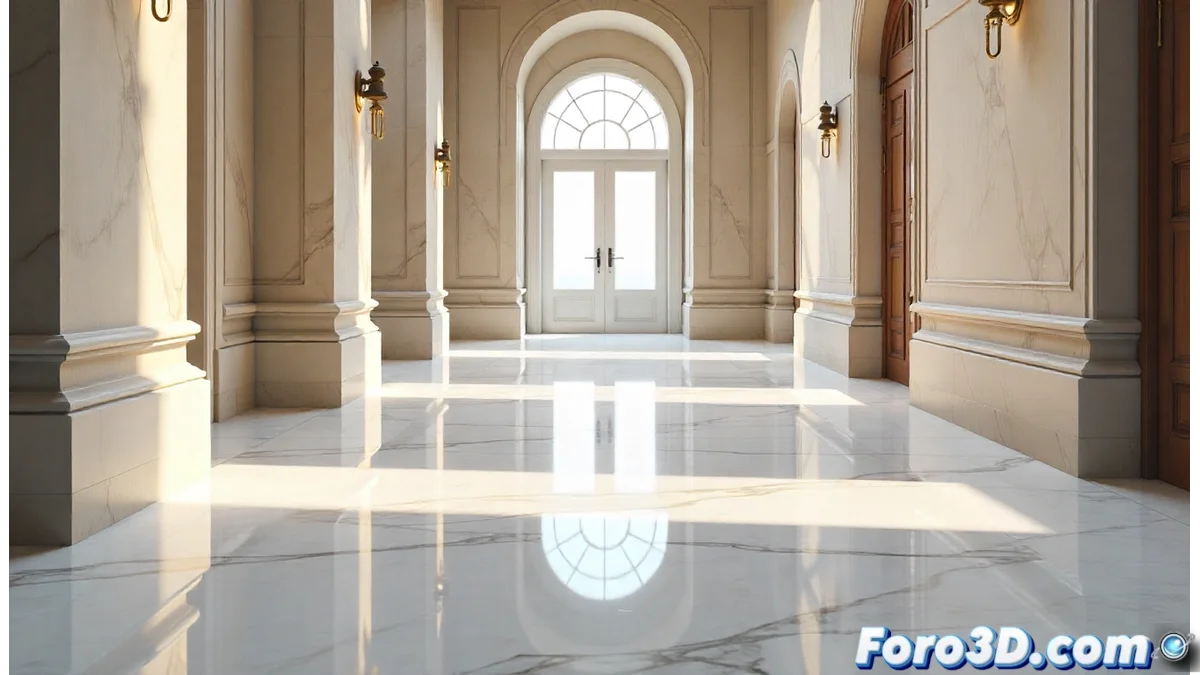
The planar reflections system in Unreal Engine represents an advanced solution for generating photorealistic reflections on flat surfaces such as polished floors, lacquered tables, or calm bodies of water. 🪞 This technology works by rendering the entire scene from the specific viewpoint of the reflective plane, accurately capturing all elements that should appear reflected.
Practical Setup and Performance Adjustments
Implementing this system requires adding a Planar Reflection Actor to the level and meticulously aligning its plane with the desired reflective surface. Developers must pay special attention to two critical parameters: the maximum render distance and the capture resolution, which directly determine the balance between visual quality and resource consumption.
Essential Optimization Strategies:- Adjust the render distance to include only relevant objects in the reflection
- Combine with Level Of Detail (LOD) systems to maintain stable framerates
- Use different resolutions based on the visual importance of each reflective surface
Planar reflections can reveal details of your scene that you thought were hidden, showing an alternative perspective that challenges your initial perception of the space.
Comparative Analysis with Other Reflection Techniques
This methodology significantly outperforms traditional static cubemaps by capturing dynamic elements such as moving characters, particle effects, and real-time lighting changes. However, it involves a higher computational cost compared to Screen Space Reflections, which only process what's directly visible on screen.
Key Advantages and Considerations:- Reflect objects outside the main camera's field of view
- Greater accuracy and realism on critical surfaces
- Performance consumption that requires careful planning
Intelligent Selection of Techniques Based on Context
The choice between different reflection methods should be based on project-specific criteria. Planar reflections are ideal for surfaces where visual realism is a priority, while for secondary reflections or projects with hardware limitations, more efficient alternatives can be used. The strategic combination of multiple techniques allows achieving the perfect balance between visual quality and performance. 💡