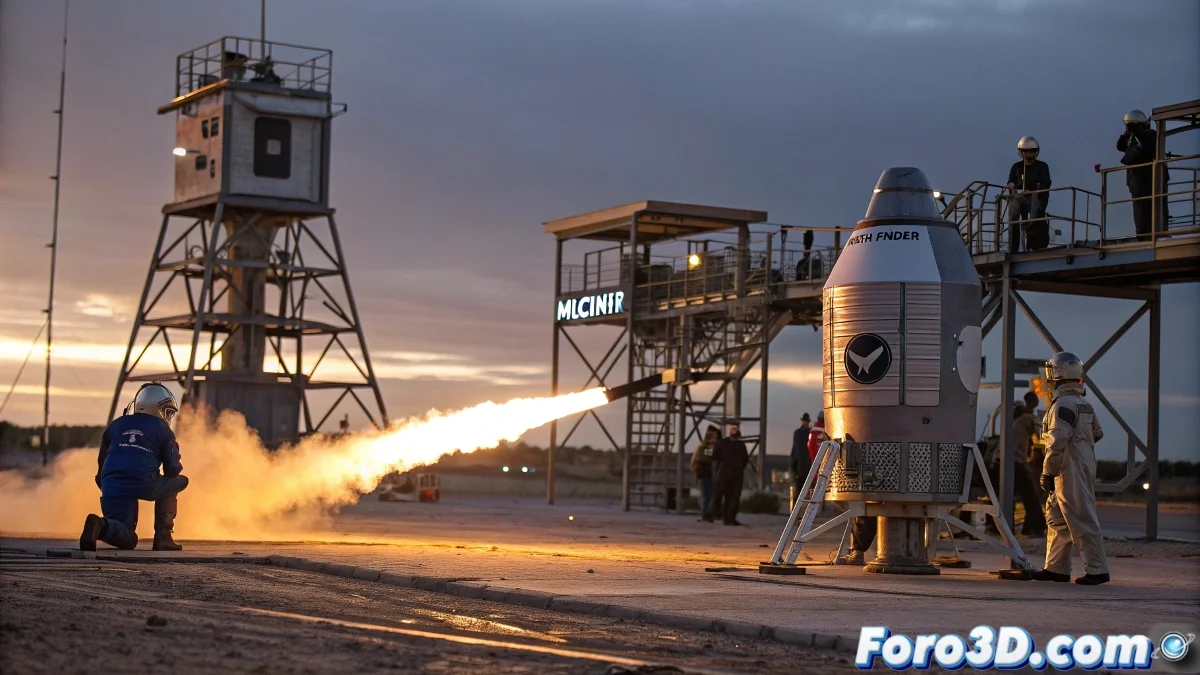
The Mjölnir Engine: Where Thor and SpaceX Collide (Literally)
New Frontier Aerospace (NFA) has decided that the Norse gods need a technological upgrade ⚡. Their new rocket engine Mjölnir, 3D printed and powered by liquefied natural gas, promises to take hypersonic flights and orbital missions to the next level. The only thing missing is requiring a goat sacrifice before ignition.
"It's not magic, it's advanced metallurgy... though the name is 100% marketing" — Bill Bruner, CEO of NFA.
From Drones to Orbits: The World Domination Plan (Or So It Seems)
NFA's roadmap sounds like a Marvel movie script:
- Pathfinder: drones that float like Destiny ships 🚀.
- Bifröst: not a rainbow bridge, but a vehicle for orbital hops.
- Military applications: because if there's cool technology, the Pentagon always shows up.
Why This Engine Is More Interesting Than a CFD Tutorial?
Besides having the most epic name since Excalibur, Mjölnir offers:
- Compact design (ideal for hiding in a garage like Tony Stark).
- Cleaner fuel than office coffee ☕.
- 3D manufacturing, because even gods' hammers are printed now.
Gods' Money: NASA and DoD Enter the Game
With $2.5 million in federal funding, NFA has the backing to make its plans a reality. NASA contributed nearly a million, proving that even they prefer mythological names over boring acronyms. Next step? An engine called Ragnarök that triggers the apocalypse... or at least a successful launch.
The Future: Space Taxi or Secret Weapon?
NFA expects Pathfinder flying in 2026 and Bifröst in 2027. If all goes well, we'll soon see hypersonic drones and orbital taxis. If it goes wrong, at least we'll have a bunch of printed metal to recycle 🛠️.
And to think it all started with a 3D printer and someone who said: "What if we call it Mjölnir to make it sound cool?" 🪓.