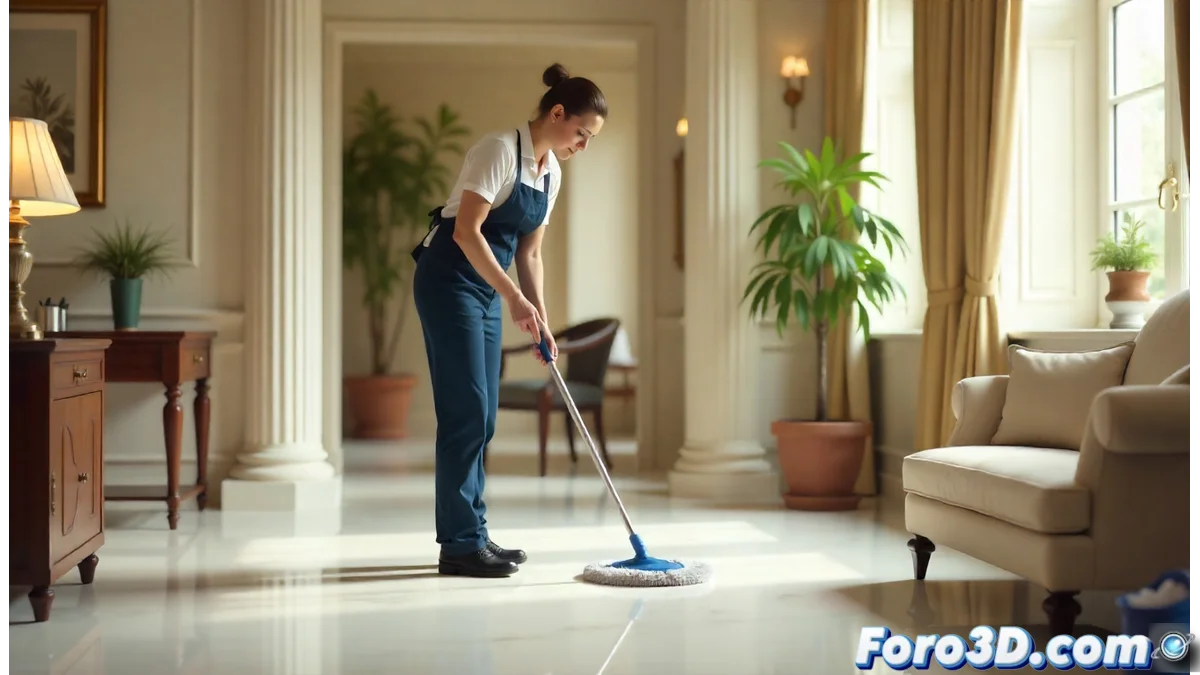
New Risk Assessment Regulations for Domestic Workers
A historic change is approaching for the domestic labor sector starting November 14, 2025, when the 378,000 domestic workers affiliated with Social Security will acquire the right to request comprehensive risk assessments in their workplaces. This legal transformation, established by Royal Decree 893/2024, represents a significant equalization of rights with other professionals 🏠
Preventive Responsibilities for Employers
Domestic employers now face preventive obligations that previously did not exist in this field. They must use free platforms like Prevencion10.es, developed by the INSST specifically to facilitate accessible self-assessment processes. The required documentation covers everything from meticulous identification of hazards to the implementation of corrective measures 🛡️
Mandatory Commitments for Employers:- Complete risk assessment using official tools
- Detailed information to the worker about identified hazards
- Adoption of effective preventive measures to minimize risks
"The domestic environment ceases to be an unregulated space in matters of occupational safety and health" - Royal Decree 893/2024
Updates and Legal Consequences
The risk assessment is conceived as a dynamic document that requires periodic reviews, especially when changes occur in working conditions or relevant incidents. Non-compliance with these obligations entails economic sanctions that can reach significant amounts, reflecting the seriousness with which this labor protection is addressed ⚖️
Additional Requirements for Employers:- Provision of suitable personal protective equipment
- Specific training in occupational risk prevention
- Permission for medical check-ups when necessary
Impact on the Domestic Sphere
Employers now discover that their homes can present hazards equivalent to traditionally considered high-risk work environments. Pocket protection is directly linked to regulatory compliance, setting an important precedent for occupational safety in domestic spaces. This regulation marks a turning point in considering domestic work as a fully-fledged professional activity 💼