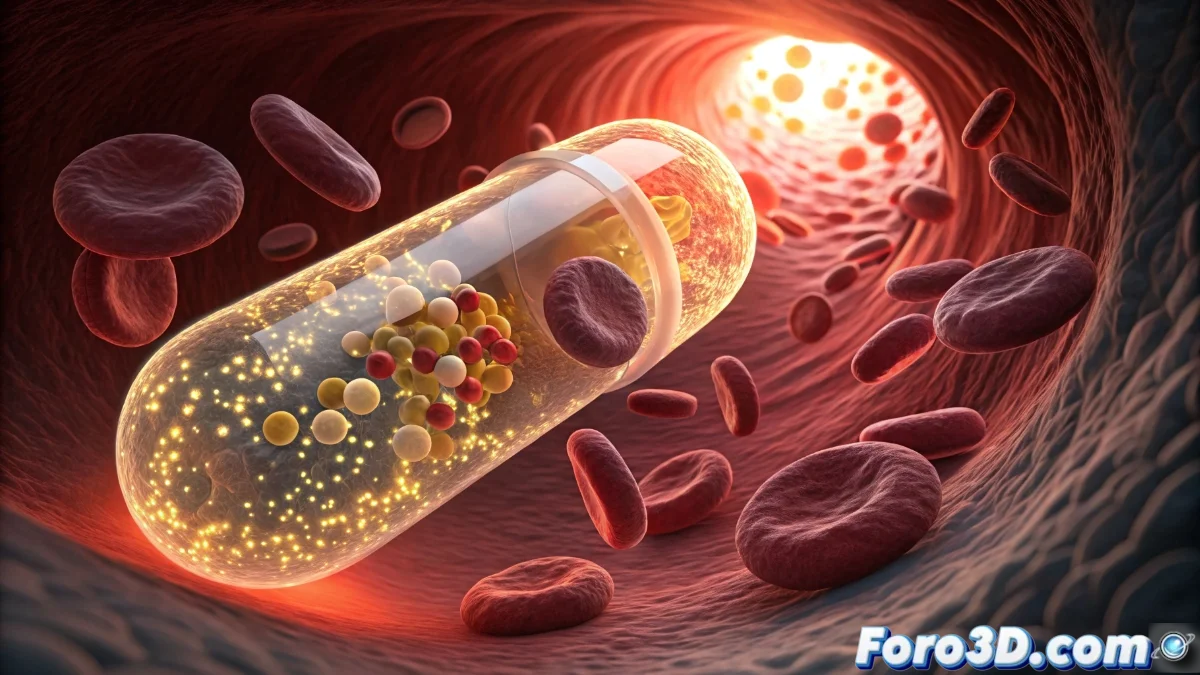
Merck's Enlicitide Demonstrates Efficacy in Familial Hypercholesterolemia
In a phase 3 clinical trial with patients diagnosed with familial hypercholesterolemia, the experimental drug enlicitide developed by Merck has shown extraordinary results in lipid control. The mean LDL cholesterol reduction reached 58% after 24 weeks of treatment, maintaining approximately 55% after a full year of combined therapy with conventional statins. 🩺
Innovative Mechanism and Excellent Tolerability
Enlicitide works by specifically inhibiting the PCSK9 protein, which normally interferes with the degradation of hepatic receptors responsible for eliminating circulating LDL. By blocking this protein, the drug allows the liver to substantially increase the uptake and elimination of harmful cholesterol from the bloodstream.
Highlights of the safety profile:- Side effect profile comparable to the placebo group throughout the study
- Excellent tolerability in prolonged treatments
- Demonstrated compatibility with baseline statin therapies
Inhibition of PCSK9 represents a revolutionary approach in the management of hypercholesterolemia, offering an oral alternative to current injectable options
Comprehensive Impact on Cardiovascular Markers
Beyond LDL reduction, enlicitide demonstrated significant improvements in multiple lipid parameters associated with cardiovascular risk. After 52 weeks of follow-up, researchers documented substantial decreases in various key markers.
Reductions observed at 52 weeks:- Up to 60% in LDL cholesterol
- 53% in non-HDL cholesterol
- 50% in apolipoprotein B (ApoB)
- 28% in lipoprotein(a) or Lp(a)
Future Perspectives and Clinical Development
These findings position enlicitide as a promising candidate to provide comprehensive cardiovascular protection, simultaneously addressing multiple lipid risk factors. Merck continues to advance additional research to determine whether these laboratory parameter improvements effectively translate into reductions in major cardiovascular events such as myocardial infarctions or strokes. The results notably contrast with the slight increase observed in the control group, reinforcing the potential of this oral agent in the therapeutic arsenal for hypercholesterolemia management. 💊