Marvel Survived the 2000s with More Reboots Than Heroes
At the start of the new millennium, Marvel was not exactly the titan it is today. Rather, it seemed like an aspiring influencer with messy content and an identity crisis. With confusing stories and heroes that seemed in the middle of an interdimensional soap opera, the publisher needed an urgent overhaul... and with style.
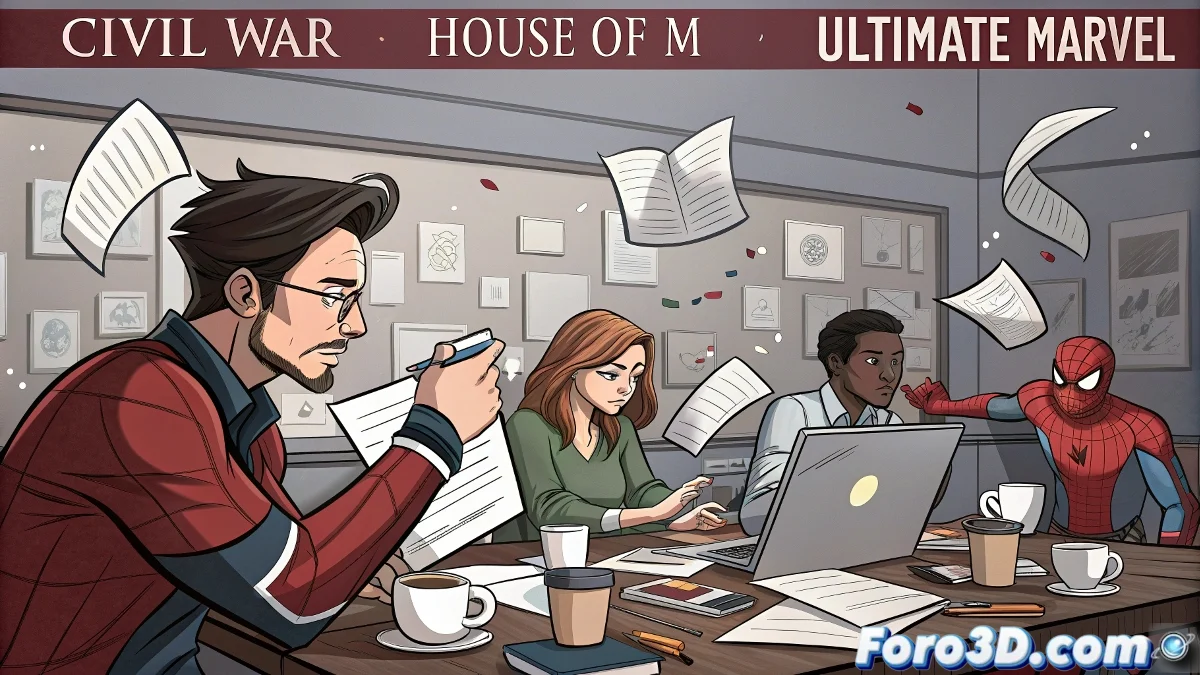
That's when Joe Quesada entered the scene, without a cape but with a clear agenda: save the Marvel universe from narrative collapse. And like any good strategist, he didn't come alone. He assembled a squad of star writers who could have formed an alternative rock band, if they hadn't preferred writing about guys in tights saving the world every Tuesday.
The Rescue Operation and Editorial Drama
With names like Bendis, Millar, Brubaker, and Morrison at the forefront, Marvel began a major transformation. Stories went from being standalone adventures to marathons of connected events. Reading a single comic was no longer enough; now you needed a map, a compass, and maybe an oracle to not get lost.
The result was a new, more mature era, more intense and, of course, with more explosions per page. Marvel bet on drama, conflict, and deep character development that previously only knew how to shoot rays and say epic phrases.
From Censorship to Existential Chaos
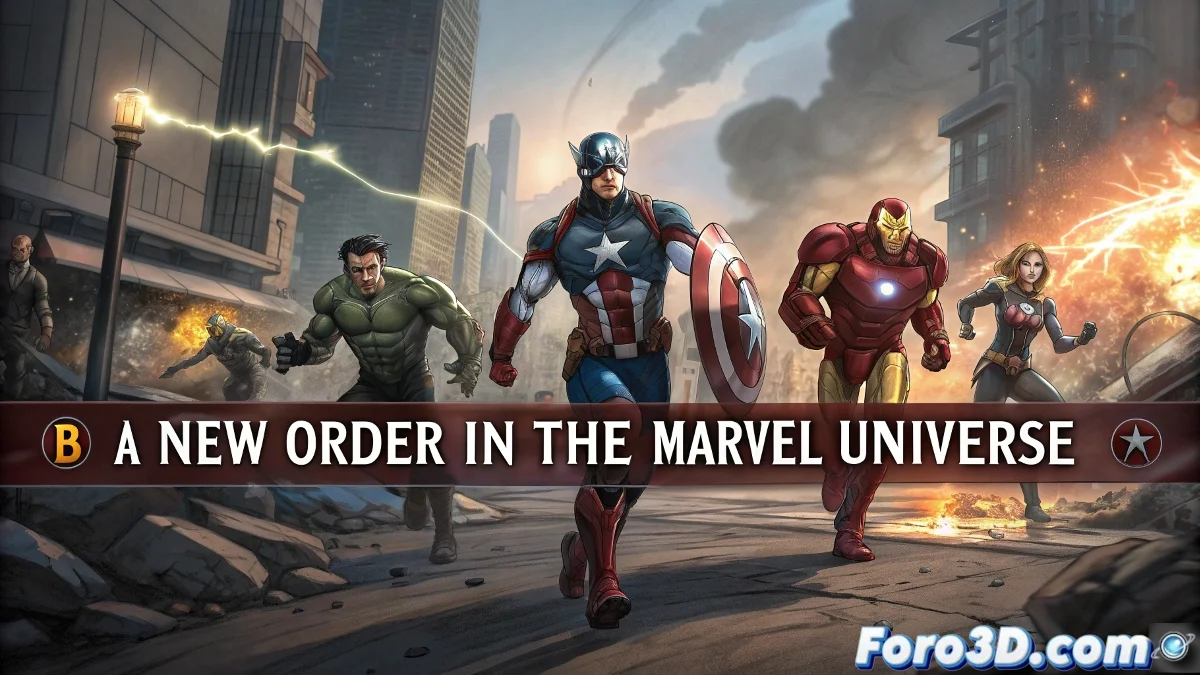
The fall of the Comics Code was like taking the leash off a narrative bloodhound. Suddenly, writers had free rein to show internal conflicts, unexpected deaths, and questionable decisions worthy of a superhero reality show. Some fans applauded the maturity; others just wanted to see Hulk smashing without philosophizing.
- Darker and riskier stories
- Events that seemed endless
- Writers turned into celebrities in the medium
- Fans debating whether this was evolution or chaos
A Formula That Worked Until It Didn't
With so much success, Marvel began to blindly trust its winning formula. Reboots, crossovers, and spectacular deaths became routine. The problem is that the spectacular, when everyday, loses its spark. And thus was born an era of love-hate between readers and their favorite comics.
Marvel kept growing, that's undeniable. But it also left many wondering if at some point the story would take a breather. Or at least a commercial break.
And like a good hero in crisis, Marvel learned that saving the world is easier than organizing its own narrative continuity... but at least it entertained us while trying 🦸♂️.