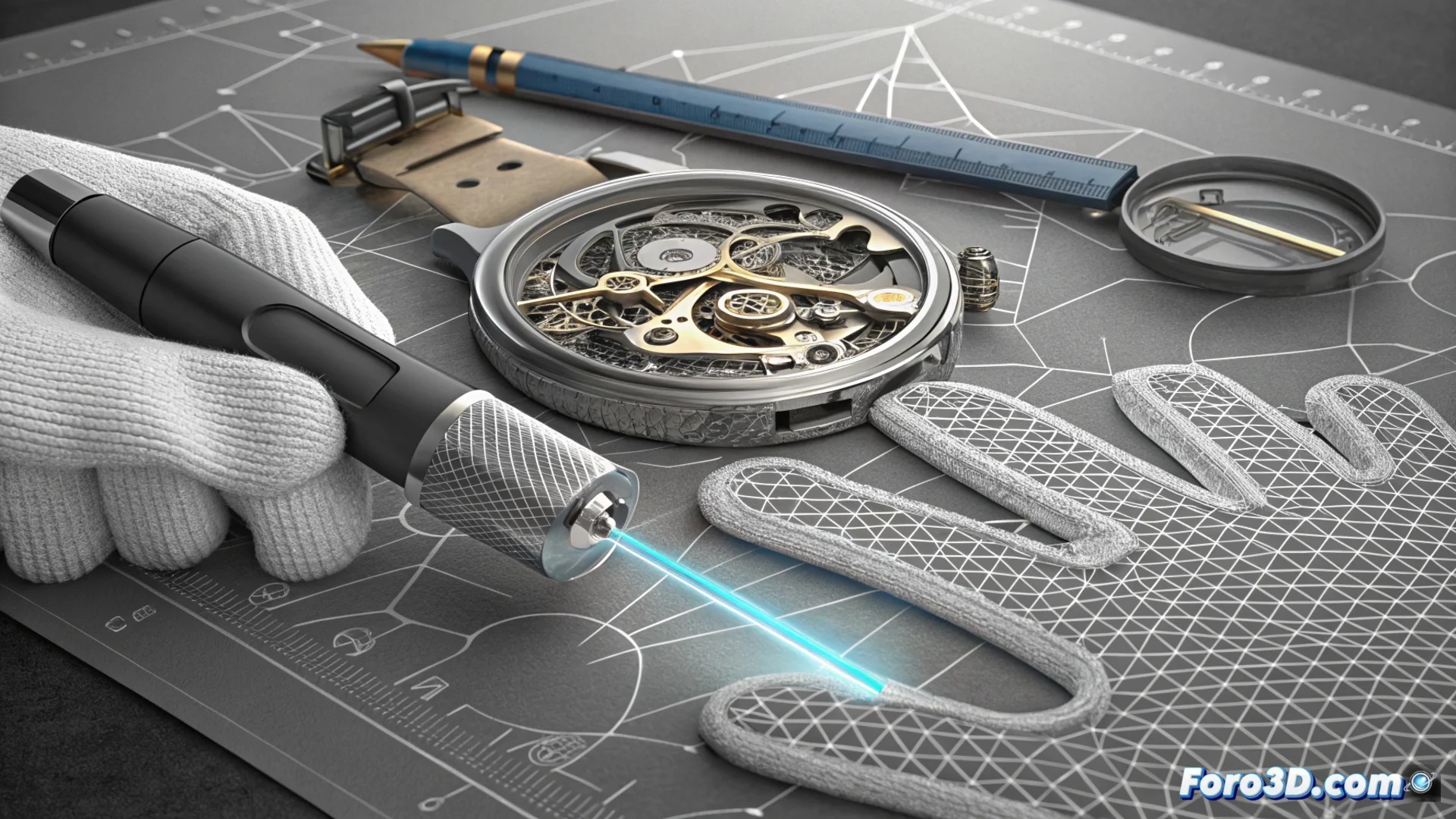
Luxury Watch Authentication Uses 3D Analysis of Their Mechanisms
To protect their value and heritage, high-end watchmaking manufacturers adopt three-dimensional digitization systems. This methodology allows examining each internal component with a level of detail unattainable by the human eye, establishing a new standard in the fight against illegal replicas. 🔍
Capturing the Mechanical Essence in Digital
The process begins by scanning the complete mechanism. Equipment such as computed tomographs or laser scanners is used to generate a high-density point cloud. This information is converted into a perfectly dimensioned 3D solid model, which serves as a master digital reference.
Key parameters analyzed:- Gear geometry: Tooth angles, diameters, and shaft concentricity are measured with micron tolerances.
- Surface finishes: Roughness, polishing, and decorative engravings on each piece are evaluated.
- Assembly and spatial relationships: The exact position and alignment of springs, bridges, and balance wheels are verified.
A fake movement may tell the time, but it won't pass a laser analysis that measures the curvature of a pinion with micron tolerances.
Advantages over Traditional Methods
This technical approach surpasses manual visual inspection. It is a non-invasive process that does not require completely disassembling the piece, preserving its integrity. The evaluation is based on quantifiable and objective data, eliminating the expert's subjectivity.
Benefits of the 3D verification system:- Digital documentation: Each analysis generates a detailed technical report that acts as a certificate of authenticity.
- Millimetric precision: Detects discrepancies in geometry or finish that are imperceptible otherwise.
- Unique digital fingerprint: Creates an exclusive identifying pattern for each caliber type, impossible to replicate exactly.
Protecting Value and Ensuring Investment
By implementing this technology, brands not only defend their intellectual property, but also offer a tangible guarantee to the buyer. The resulting report protects the market value of the original piece and assures the owner of the legitimacy of their investment.