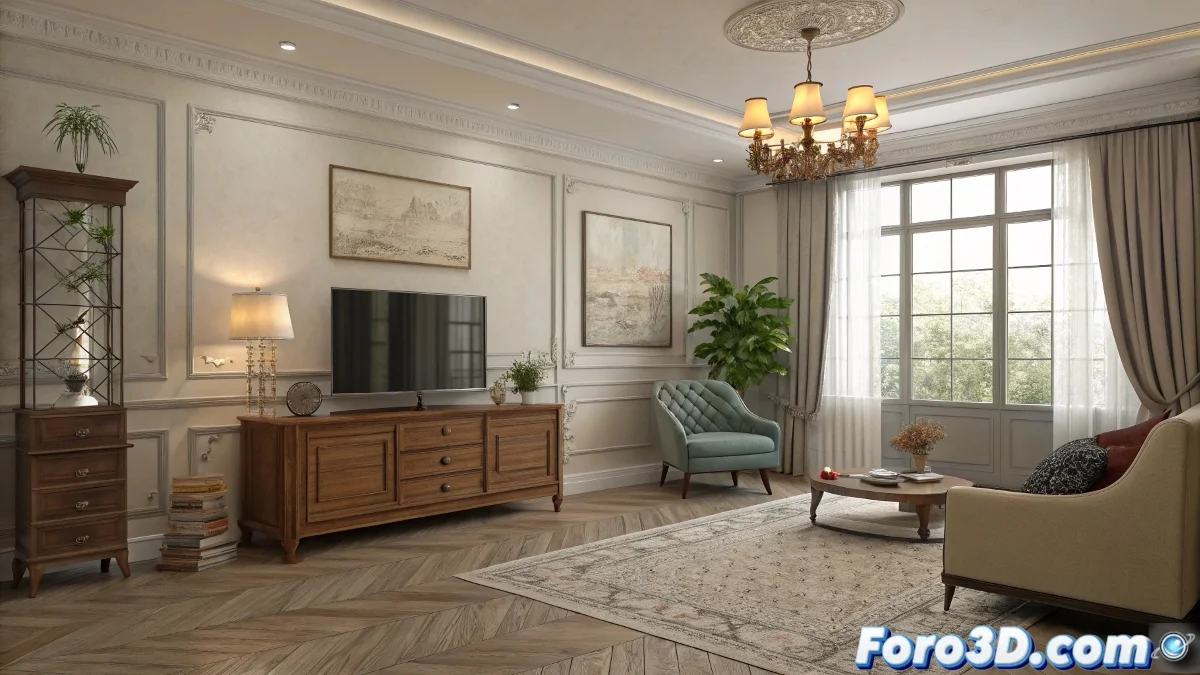
🚀 When a scan becomes a production-ready 3D scene
LiteReality is changing the game in 3D digitization, transforming simple RGB-D scans into complete environments with articulated objects, PBR materials, and production-ready hierarchies. The result? A pipeline that saves weeks of manual work.
The magic process step by step
- Intelligent detection
- Identifies furniture, doors, and common objects
- Classifies architectural geometries (walls, floors)
- Replacement with 3D assets
- Uses ShapeNet/ModelNet for precise models
- Preserves original dimensions and position
- Automatic materials
- Assigns PBR shaders based on RGB textures
- Automatically adjusts roughness and metallic
Professional workflows
| Use | Benefit |
|---|---|
| Architectural visualization | VR walkthroughs in hours, not weeks |
| Video game production | Fast level prototyping |
| Film and VFX | Digitization of real locations |
Limitations (for now)
- Difficulty with highly reflective or transparent objects
- Complex textures may require manual adjustment
- Object physics are not configured automatically
While we wait for them to add detection of empty coffee cups, LiteReality is already saving countless hours of manual modeling. Although if it mistakes your sofa for a wardrobe... well, you can always say it's "concept art".