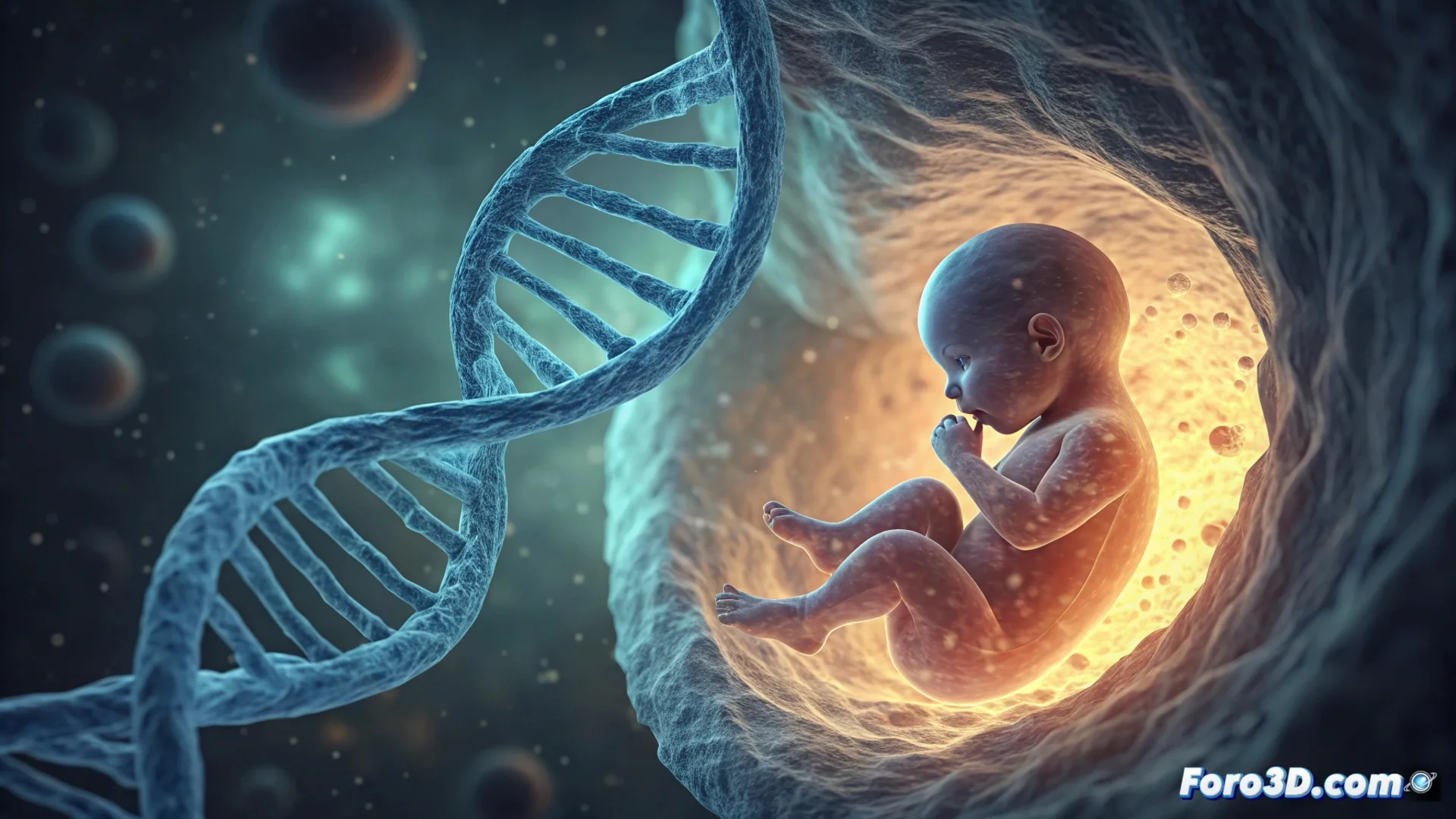
Genetic Editing in Human Embryos Is Still Not a Responsible Practice
A group of startups has declared its intention to develop genetically edited babies using CRISPR technology by 2025. However, initiatives like Manhattan Genomics, Preventive, or Bootstrap Bio lack the necessary preparation to proceed safely. Technical challenges and ethical dilemmas remain unresolved, making this timeline unrealistic and carrying a significant potential danger. 🧬⚠️
The Proposed Benefits Do Not Offset the Current Technical Risks
The CRISPR tool for modifying human embryos is still not precise enough. There is a high probability of introducing unintended mutations or creating mosaicism, where the genetic change only affects a portion of the cells. These errors could trigger serious diseases. Additionally, less risky and established alternatives are already available.
Safer Alternative Methods:- Preimplantation Genetic Diagnosis (PGD): Allows the selection of healthy embryos during an in vitro fertilization process, avoiding many hereditary pathologies without altering the DNA.
- Embryo Selection: Offers a way to prevent genetic disorders without the unpredictable risks of directly editing the genome.
- Assisted Reproduction Techniques: Provide a regulated and proven clinical framework for managing genetic inheritance.
The race to create the first CRISPR baby resembles more a startup seeking funding than a rigorous scientific project. There is no "version 2.0" to correct errors in a human being.
Operating Without Regulation Harms Long-Term Scientific Progress
Some of these companies could establish their operations in countries with more permissive legislation, bypassing current restrictions. This strategy does not accelerate science transparently; on the contrary, it generates social and political rejection. Irresponsible use of the technology could drive more prohibitive laws globally, ultimately halting the responsible research that the scientific community needs to understand and apply these tools with safety guarantees.
Consequences of a Lax Regulatory Framework:- Ethical Brain Drain: Serious scientists may distance themselves from a field perceived as lacking rigor.
- Public Distrust: Society may oppose future biotechnological advances, even beneficial ones.
- Research Freeze: Governments may impose total moratoriums, paralyzing legitimate studies on somatic gene therapies.
A Horizon That Requires Prudence, Not Haste
The announcement by these biotech startups highlights a worrying gap between commercial ambition and scientific reality. The precision issues of CRISPR and the absence of a global ethical consensus are barriers too great to ignore. Prioritizing speed over safety not only endangers the health of potential individuals but also compromises the future of a technology with real transformative potential for treating diseases, which must be developed with extreme caution. 🛑🔬