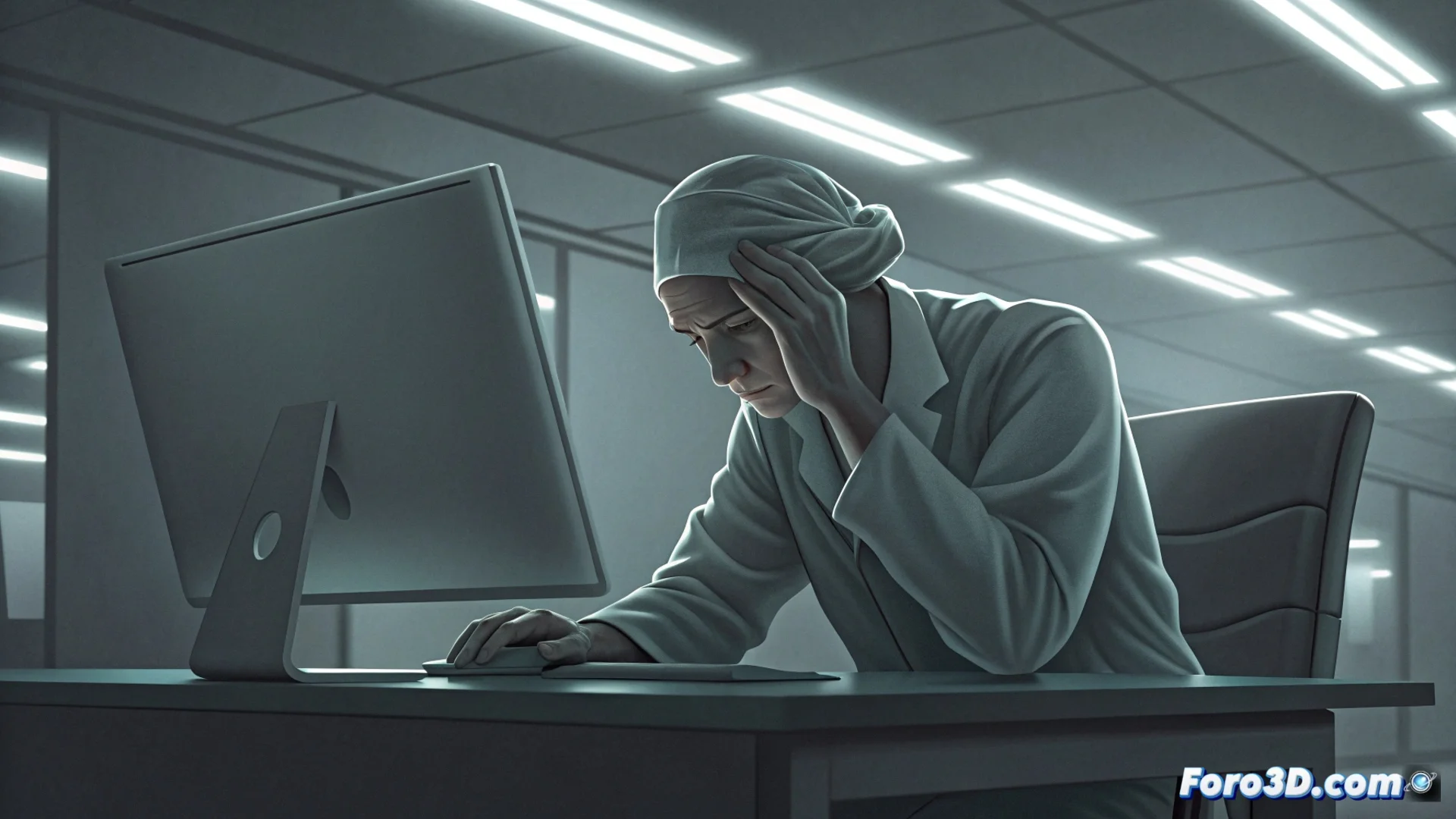
Fluorescent light affects the nervous system and mood
Lighting with fluorescent tubes, common in many workplaces, has a direct impact on how our brain and emotions function. Although we don't always notice it consciously, the body responds to the characteristics of this artificial light. 😵💫
The invisible flicker that exhausts your brain
Although the eye doesn't detect it, the flicker of fluorescent light is constant. Your brain must process these rapid fluctuations to stabilize what you see. This continuous effort tires the eye muscles and demands more work from the brain areas that process vision.
Consequences of this visual fatigue:- Difficulty maintaining attention and concentration.
- Appearance of tension-type headaches.
- Persistent sensation of mental fatigue that predisposes to stress.
The central nervous system processes the light flicker, even if we are not aware of it, generating constant overload.
A light spectrum that disrupts your hormones
Natural light changes throughout the day and regulates our internal biological clock. Fluorescent light, with its limited and constant spectrum, does not provide these stimuli. This interferes with the production of key hormones like melatonin (for sleep) and serotonin (for mood).
Effects on emotional balance:- Increases levels of irritability and discomfort.
- Reduces the ability to handle daily stress.
- Can favor a low, apathetic, or unmotivated mood state.
An environment that amplifies discomfort
Combining a long workday under this light with monotonous tasks, like an extended meeting, creates the perfect scenario for discomfort to amplify. The neurological load of the light adds to the cognitive effort, making any situation feel heavier and more stressful. 🧠💡