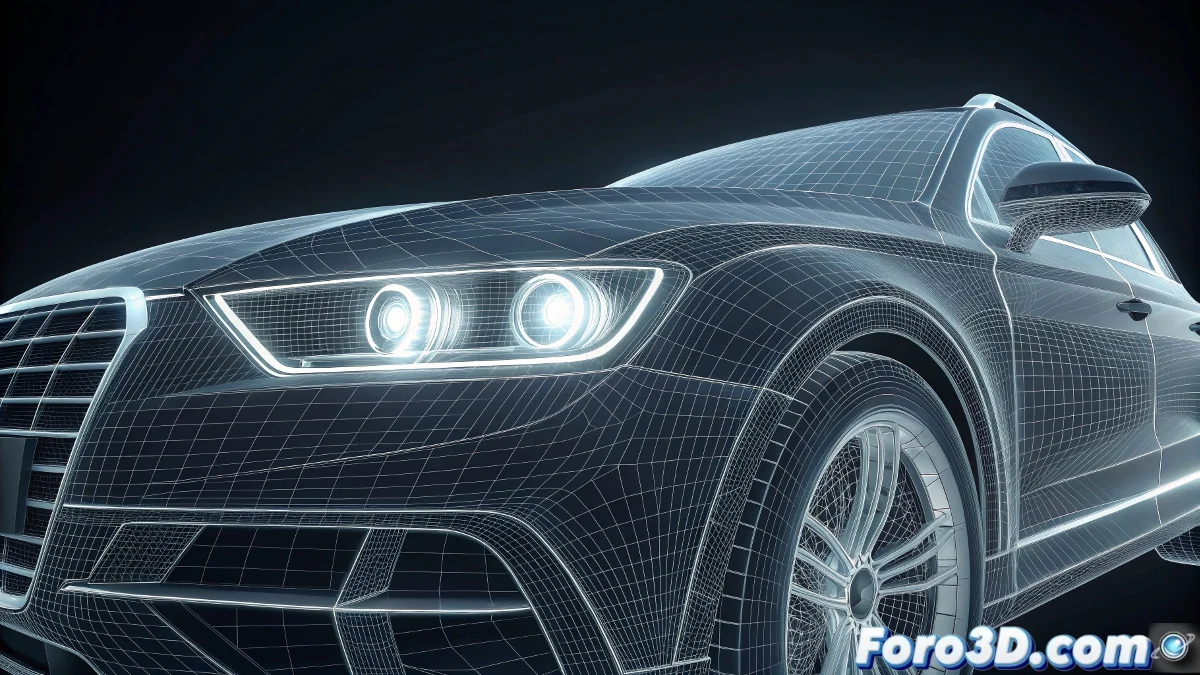
The Balance Between Realistic Refraction and Acceptable Distortion
When working on rendering a car with V-Ray and you find that the glass is excessively distorting the rear headlights, you're facing a classic problem of transparent materials. Refraction is a real physical phenomenon that should slightly distort what we see through the glass, but when this distortion becomes exaggerated, it usually indicates that the material parameters are not correctly adjusted for the specific context of your scene. Your intuition is correct - you should see the headlights through the glass with a slight distortion that denotes the presence of the glass, but without them becoming unrecognizable shapes.
Understanding Refraction Parameters in V-Ray
The excessive distortion you describe is usually related to specific combinations of parameters that intensify the refraction effect beyond what would be visually acceptable in a real context.
- IOR (Index of Refraction) too high for automotive glass
- Glass thickness exaggerated in the 3D model
- Bump or displacement settings affecting refraction
- Scale issues between the glass and the headlights
Adjustments for Realistic Refraction
To achieve that balance where the glass is noticeable but doesn't distort excessively, you need to fine-tune several V-Ray material parameters that control how light behaves when passing through the glass.
A well-configured glass is like a clean window: you know it's there but it doesn't prevent you from clearly seeing what's behind it
- IOR between 1.5 and 1.6 for realistic automotive glass
- High refraction glossiness (0.98-1.0) for smooth glass
- Refraction color almost pure white for maximum transparency
- Geometry thickness consistent with real car glass
Specific Solution for Car Headlights
In the particular case of glass over headlights, there is a specific technique that can help you minimize distortion while maintaining the glass feel.
Finding the perfect balance in transparent materials is one of the most rewarding challenges in automotive rendering 🚗. Every adjustment you perfect not only solves the immediate problem, but brings you closer to understanding how light interacts with materials in the real world, an invaluable skill for any 3D artist.