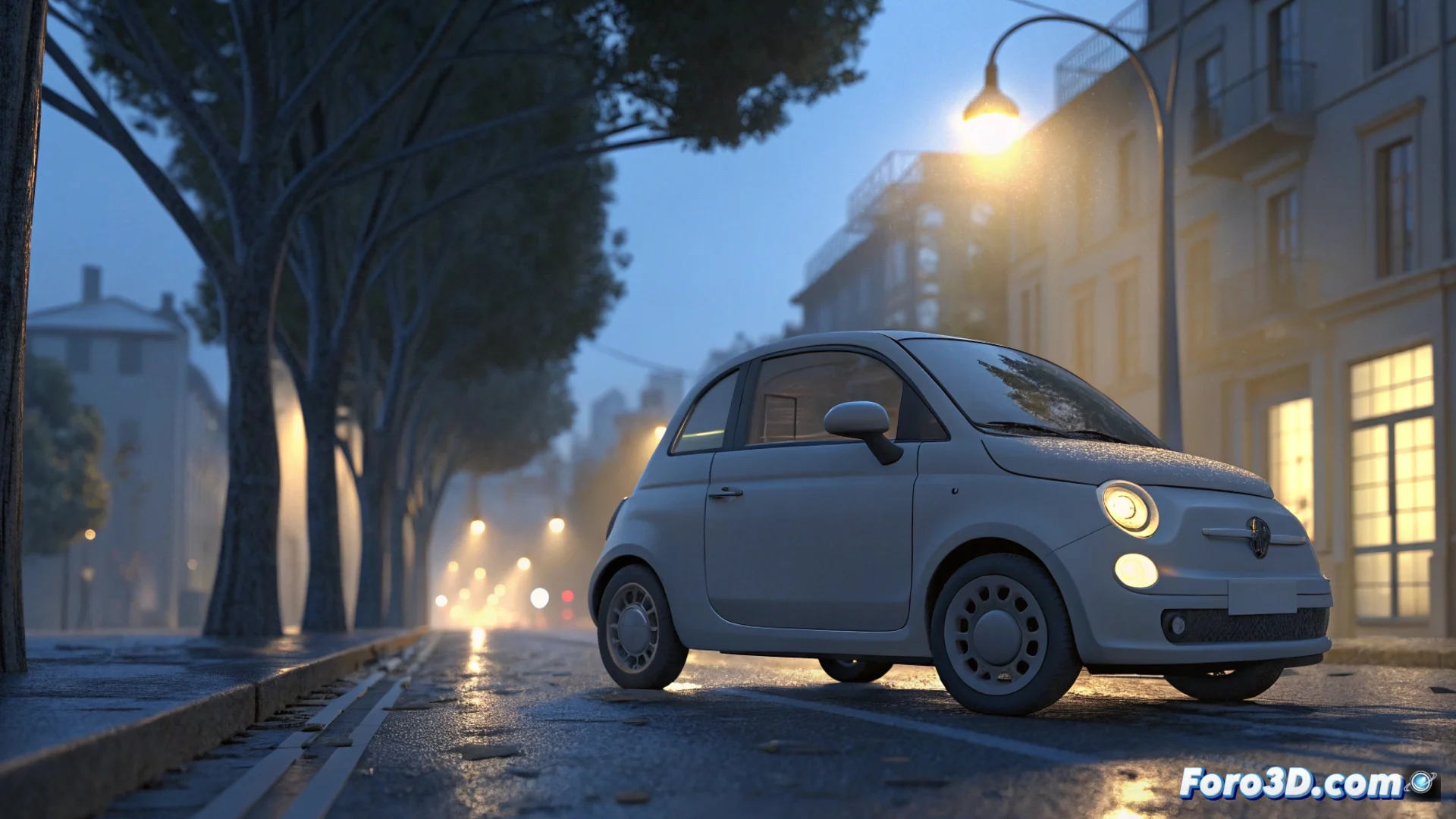
Fiat Proposes Speed Limit to Make Urban Cars Cheaper
The car brand Fiat is exploring a radical strategy to reduce the price of its most compact models. The core idea is to electronically limit their top speed to 100 km/h, a move that could transform how city cars are manufactured. 🚗
An Engineering Response to the Cost Crisis
The small car segment is under intense pressure from rising material costs and the complexity added by current regulations. By limiting the speed, Fiat seeks to create a niche of basic and safe vehicles for urban environments. The brand argues that many drivers of these models rarely exceed 100 km/h, so paying for unused capacity raises the final cost without providing tangible benefits.
Technical Advantages of the Limitation:- Allows simplifying key components like braking systems, which don't need to be designed for higher speeds.
- Facilitates the use of less complex and more economical tires and suspension elements.
- The ultimate goal is to produce more affordable cars in a market where price drives purchases.
“The proposal seeks to balance the essentials for the city with a viable manufacturing cost.”
The Challenge of Convincing the Market
Although the technical logic seems solid, the commercial viability sparks intense debate. A car limited to 100 km/h might be perceived as an inferior product, even if its primary use is urban. Additionally, doubts arise about its usefulness on highways, where traveling at the maximum limit would prevent safe overtaking. Fiat must communicate the price and efficiency advantages clearly for customers to accept the proposal. 🤔
Key Debate Points:- The customer perception of a limited car and its possible stigma.
- The practicality on roads where traffic flow is around the speed limit.
- The balance between cost reduction and traditional performance expectations.
An Uncertain Future for the Basic City Car
Fiat's initiative reflects a desperate search for formulas to keep small, economical cars alive. This limitation strategy is a bold experiment that raises a fundamental question: are drivers willing