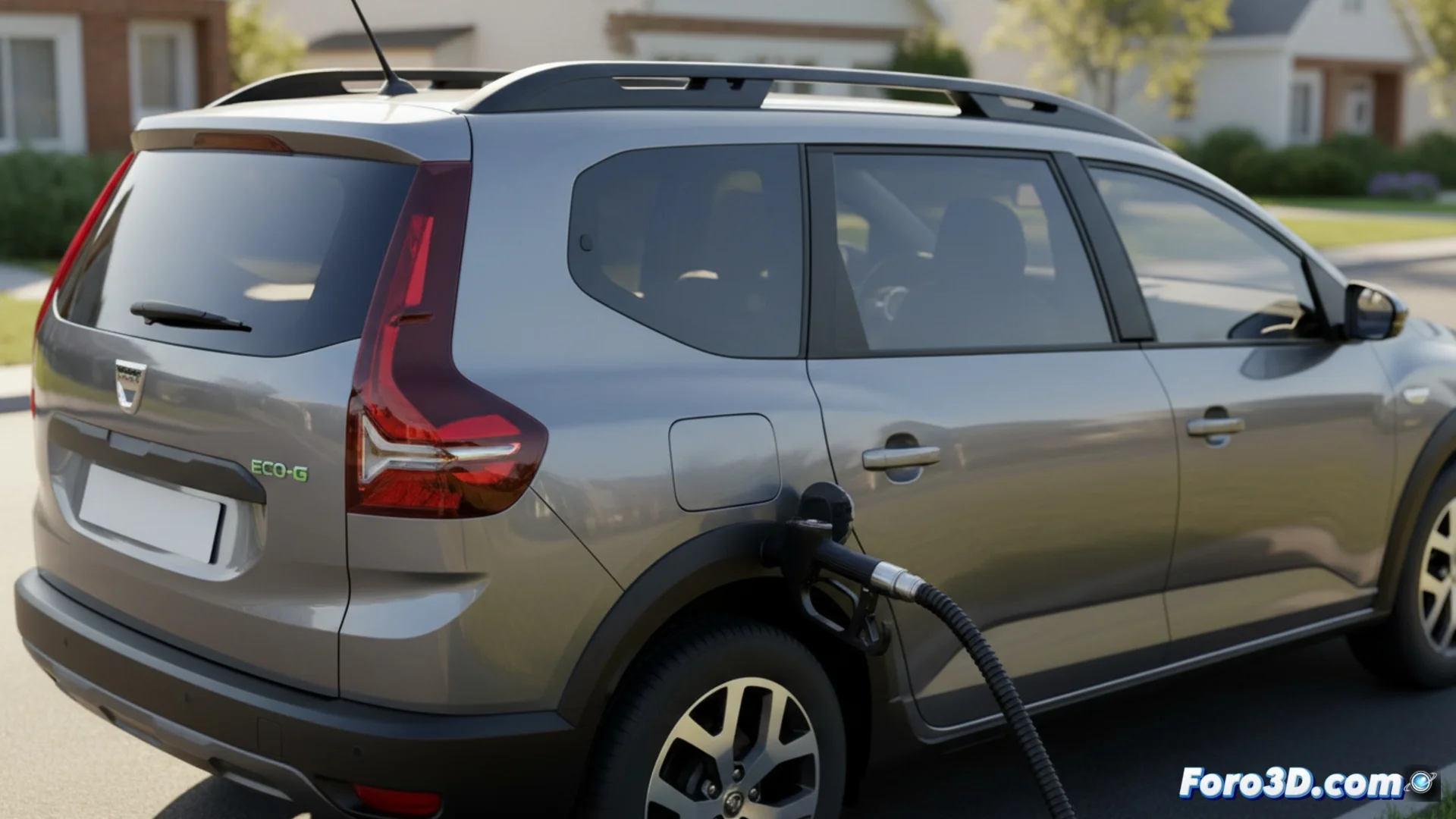
Dacia Jogger 2026 Debuts ECO-G Hybrid Powertrain
The Dacia brand updates its Jogger model for 2026, incorporating a new ECO-G hybrid powertrain. This system combines a gasoline engine with technology that uses liquefied petroleum gas and moderate electric assistance. The goal is to offer a more flexible option with less environmental impact among large-capacity family vehicles 🚙.
Technical Details of the ECO-G Engine
The core of the system is a three-cylinder 1.0-liter block that delivers a total of 110 horsepower. It operates primarily on LPG, although it can switch to gasoline autonomously if the secondary tank runs empty. A 48-volt hybrid system assists the main engine via an electric module located in the transmission. This enables starting on electricity alone and capturing energy during deceleration. According to Dacia, this method results in lower fuel consumption and CO2 emissions than a traditional gasoline engine.
Key Points of the Powertrain:- Three-cylinder 1.0-liter engine with combined power of 110 HP.
- Operates mainly on LPG, with automatic switch to gasoline.
- Incorporates 48V mild hybrid technology for assistance and energy recovery.
This approach reduces fuel consumption and CO2 emissions compared to a conventional gasoline engine.
Cost and Commercial Strategy
Dacia maintains its principle of offering a spacious and functional car at an affordable cost. The 2026 Jogger with ECO-G powertrain is sold in a single, well-equipped trim level, with a starting price of 23,300 euros. This positions it as an alternative for families seeking to balance space, accessible electrification, and controlled fuel costs, ideal for users who drive long distances.
Commercial Highlights:- Marketed in a single, quite complete equipment version.
- Starting price of 23,300 euros.
- Aimed at balancing capacity, hybrid technology, and operating economy.
A Distinctive Detail in Operation
A particular feature is that, despite the hybridization, the driver still needs to manually select whether to refuel with LPG or gasoline. This decision adds a component of route planning to long trips, where managing refueling becomes part of the driving experience ⛽.