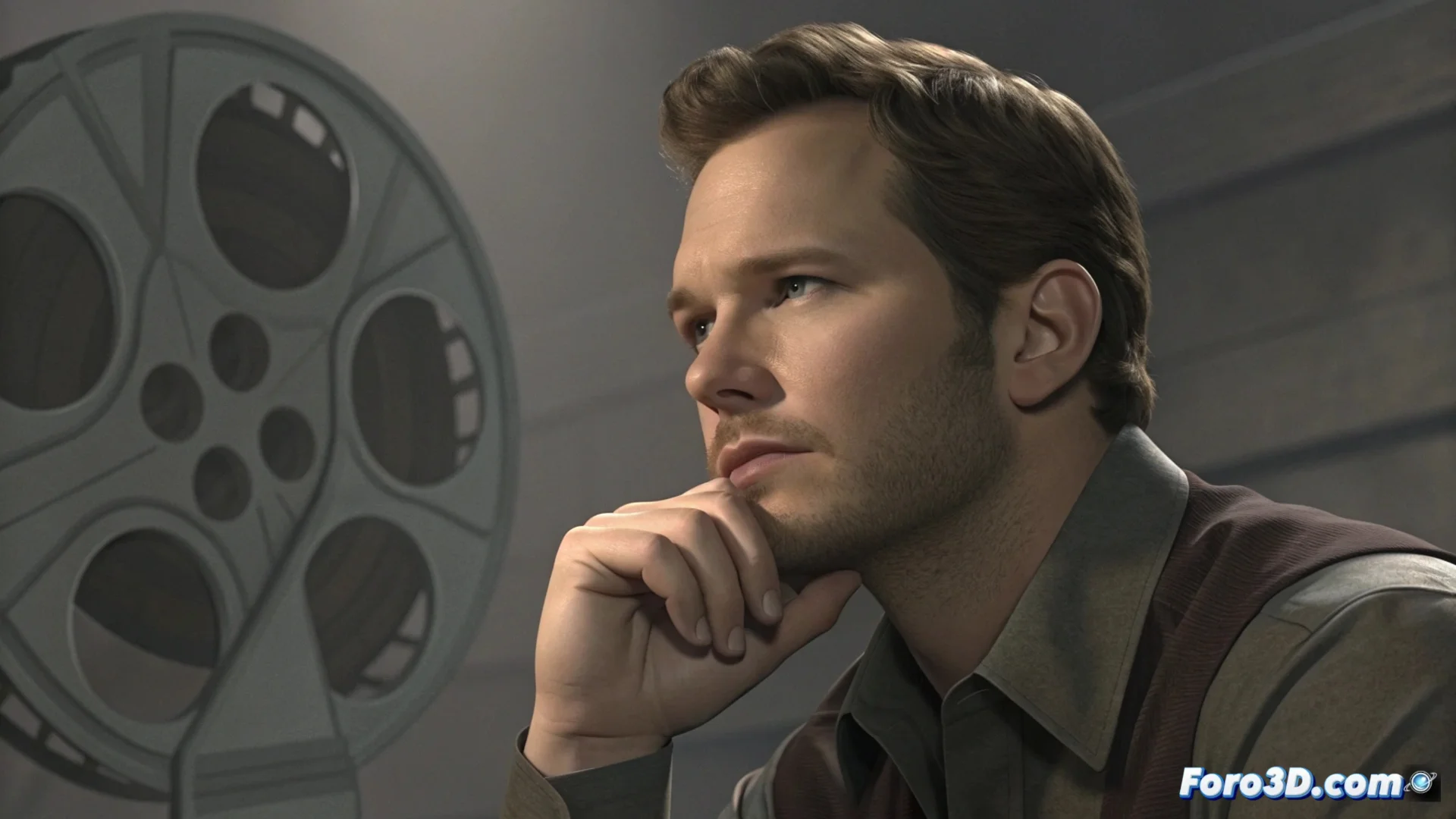
Chris Pratt's Opinion on Artificial Intelligence in Cinema
The actor Chris Pratt, famous for portraying Star-Lord in Guardians of the Galaxy, has shared his perspective on how artificial intelligence is transforming the film industry. During a recent interview, he expressed a cautious view, recognizing the technology's potential but also its inherent risks. 🎬
A Balanced Stance on Technology
Pratt does not reject AI entirely. He points out that it can offer useful tools for various creative processes. However, his main concern lies in the ethical dilemmas that arise, especially regarding human creativity and who owns the rights to generated content. This balance between innovation and principles is central to his discourse.
Key Concerns Raised by Pratt:- The risk that AI limits authenticity and spontaneity in the art of filmmaking.
- Legal and moral issues surrounding intellectual property when using algorithms.
- The possibility that technological efficiency is prioritized over genuine artistic expression.
If you give up freedom for security, you will have neither.
The Debate in Hollywood about the Future of Acting
Pratt's comment fits into a broader conversation taking place in Hollywood. Many professionals in the industry are closely watching how AI can affect jobs and the very essence of the profession. The technology already allows for the generation of faces, voices, and synthetic performances, creating a landscape of uncertainty for actors and technicians.
Areas Where AI is Already Impacting:- Creation of digital faces for characters or to rejuvenate/replace actors.
- Synthesis of voice and dialogues, which could change how films are recorded and edited.
- Automation of tasks in post-production, from color correction to visual effects compositing.
The Irony of the Current Cinematic Landscape
Pratt highlights an interesting paradox in the current industry. While debating the power of machines, major studios still prefer, for now, to pay a human actor to deliver profound dialogues about the technology itself. This decision underscores the value still placed on human experience and emotion in storytelling, even when the topic is automation. It seems that reflection