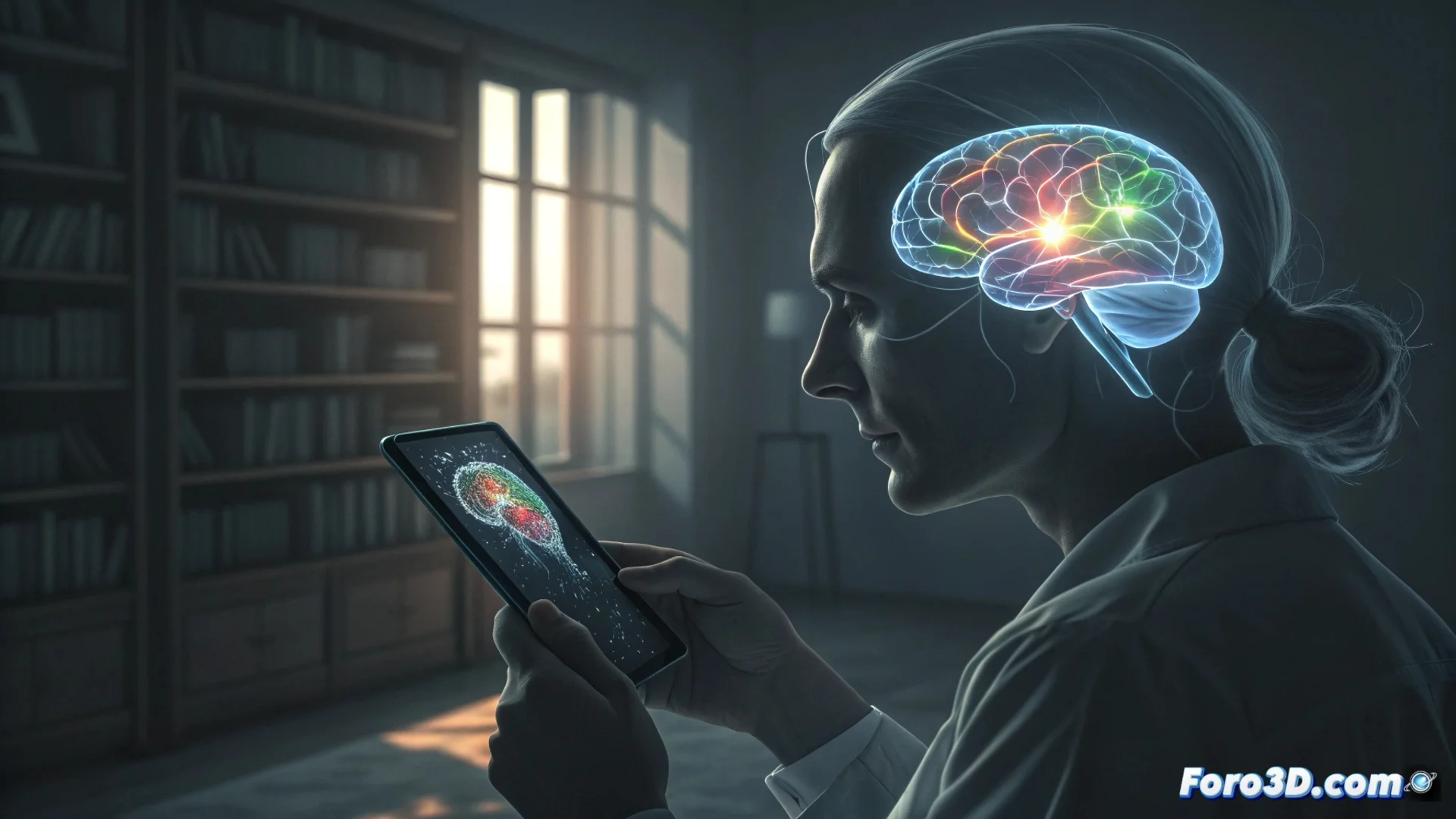
Brain Training Apps Promise More Than They Can Deliver
Numerous applications claim they can boost your memory, raise your IQ, and even protect you from neurodegenerative diseases. These promises are based on dedicating a few minutes daily to mental games. However, the science behind them is much more skeptical and complex than marketing would have you believe. 🧠
The Myth of Cognitive Skills Transfer
Research shows a clear pattern: practicing a specific game makes you very good at that game. This is called specific practice. The problem arises when expecting that skill to transfer to other areas of your mental life. Generally, it doesn't happen. Mastering a digital puzzle won't help you remember an important appointment or think faster when solving real-world problems. The improvement usually remains confined to the app itself.
What science really says:- The improvement is specific to the trained task, not general.
- There is no solid evidence that these apps increase fluid intelligence or global intelligence.
- You become an expert in the app, not necessarily a person with greater mental agility.
Training with an app is like practicing a very specific sport: you get better at it, but not necessarily a better athlete overall.
Preventing Cognitive Decline: Expectations vs. Reality
Regarding preventing conditions like Alzheimer's, the evidence is even less convincing. There are no conclusive studies demonstrating that these games can delay or prevent neurodegenerative diseases. The scientific community points out that other factors have a much greater and better-documented impact.
Strategies with greater scientific support:- Keep the mind active with varied and novel activities (learning a language, playing an instrument).
- Foster a rich and stimulating social life.
- Do regular physical exercise.
- Follow a healthy diet, such as the Mediterranean diet.
Conclusion: A Complement, Not a Magic Solution
In short, these applications can be a fun complement to pass the time, but they are far from being the comprehensive solution that is sometimes sold. While you overcome levels, keep in mind that you are mainly training to be the best at that game, not to find the keys you lost. 🗝️ To care for your brain in the long term, prioritize a complete and active lifestyle over your phone screen.