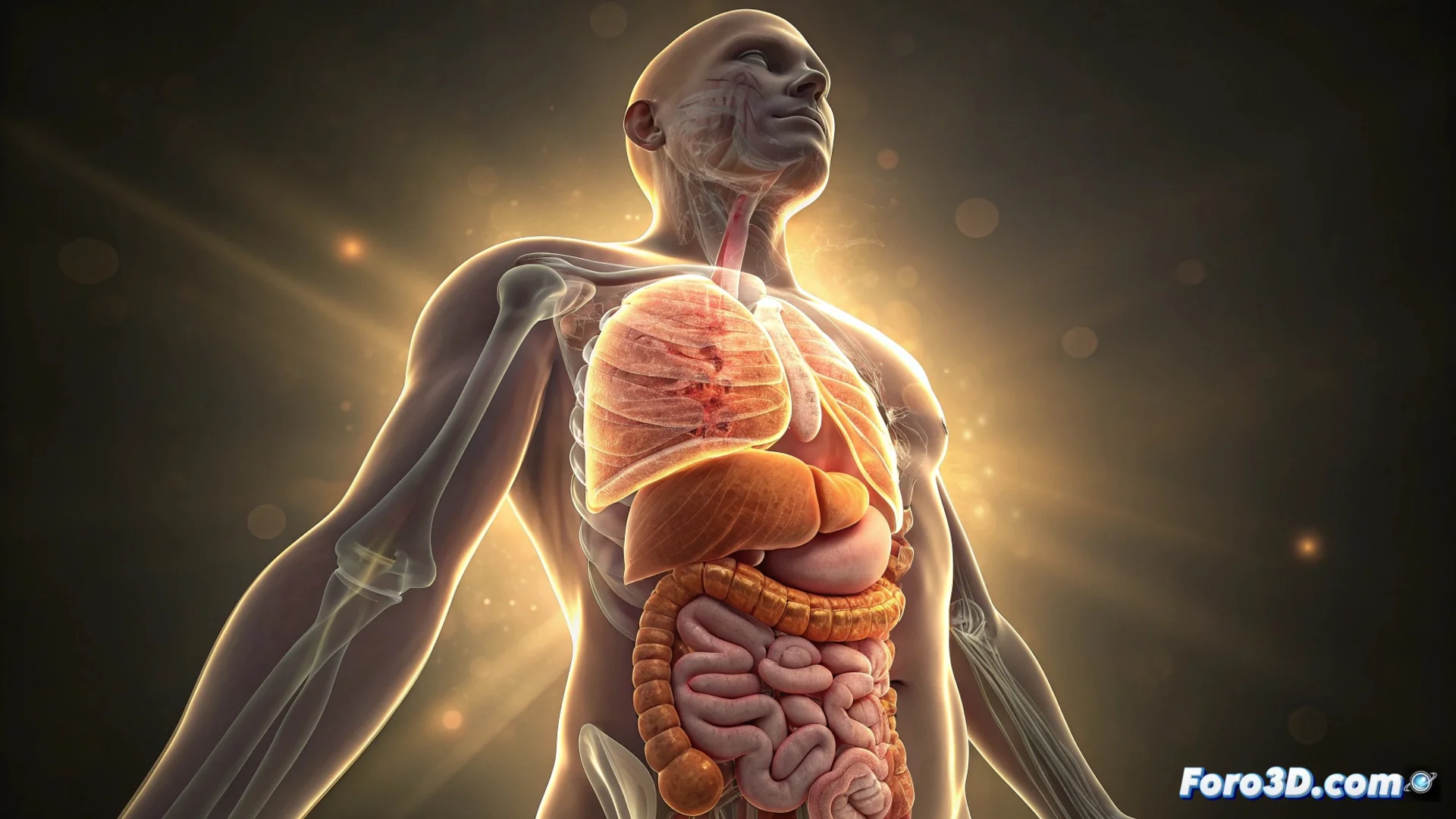
Body Fat is an Active and Complex Organ
Far from being a simple energy storage depot, modern science classifies adipose tissue as a functional endocrine organ. This organ produces and releases hormones and other molecules that send signals throughout the body. These substances are key to controlling appetite, processing nutrients, modulating inflammation, and regulating the body's defenses. Its function far exceeds mere thermal insulation or physical protection. 🔬
Opposing Functions of White and Brown Adipose Tissue
Not all fat is the same. Two main types are distinguished with nearly antagonistic roles. White adipose tissue is responsible for storing excess energy as triglycerides. On the other hand, brown adipose tissue, more common in newborns but persisting in adults, has the ability to consume energy to produce heat. This mechanism, called thermogenesis, helps the body maintain a stable temperature. There is a third type, beige fat, which can be activated to behave like brown fat under certain conditions.
The three types of adipose tissue:- White Fat: Main energy reservoir. Stores lipids.
- Brown Fat: Burns calories to generate heat (thermogenesis).
- Beige Fat: Can transform and act like brown fat when stimulated.
The location where fat is deposited is a determining factor in assessing its effects on metabolic health.
The Location of Fat Defines Its Health Risk
The site in the body where adipose tissue accumulates is fundamental. An excess of visceral fat, that which envelops the internal organs in the abdominal cavity, is associated with an elevated risk of metabolic disorders such as diabetes or heart disease. In contrast, subcutaneous fat, located just under the skin, appears to have more neutral effects or could even offer some protection. Additionally, fat can infiltrate organs like the liver or muscles, which can interfere with their normal functioning. 🧭
Impact according to location:- Visceral Fat (Abdominal): Linked to higher metabolic risk. Surrounds internal organs.
- Subcutaneous Fat: More neutral effect. Located under the skin.
- Fat Infiltration: Accumulation of fat within other organs, altering their function.
A Comprehensive Perspective on Adipose Tissue
Understanding that body fat is an active and diverse organ completely changes the perspective on it. It is not just about "burning" an excess, but recognizing its vital role in hormonal signaling and homeostasis. The distinction between its types (white, brown, beige) and, above all, attention to its body distribution (visceral vs. subcutaneous) are key to assessing health. Paradoxically, the body tends to store energy in the least convenient places at the most inopportune times. ⚖️