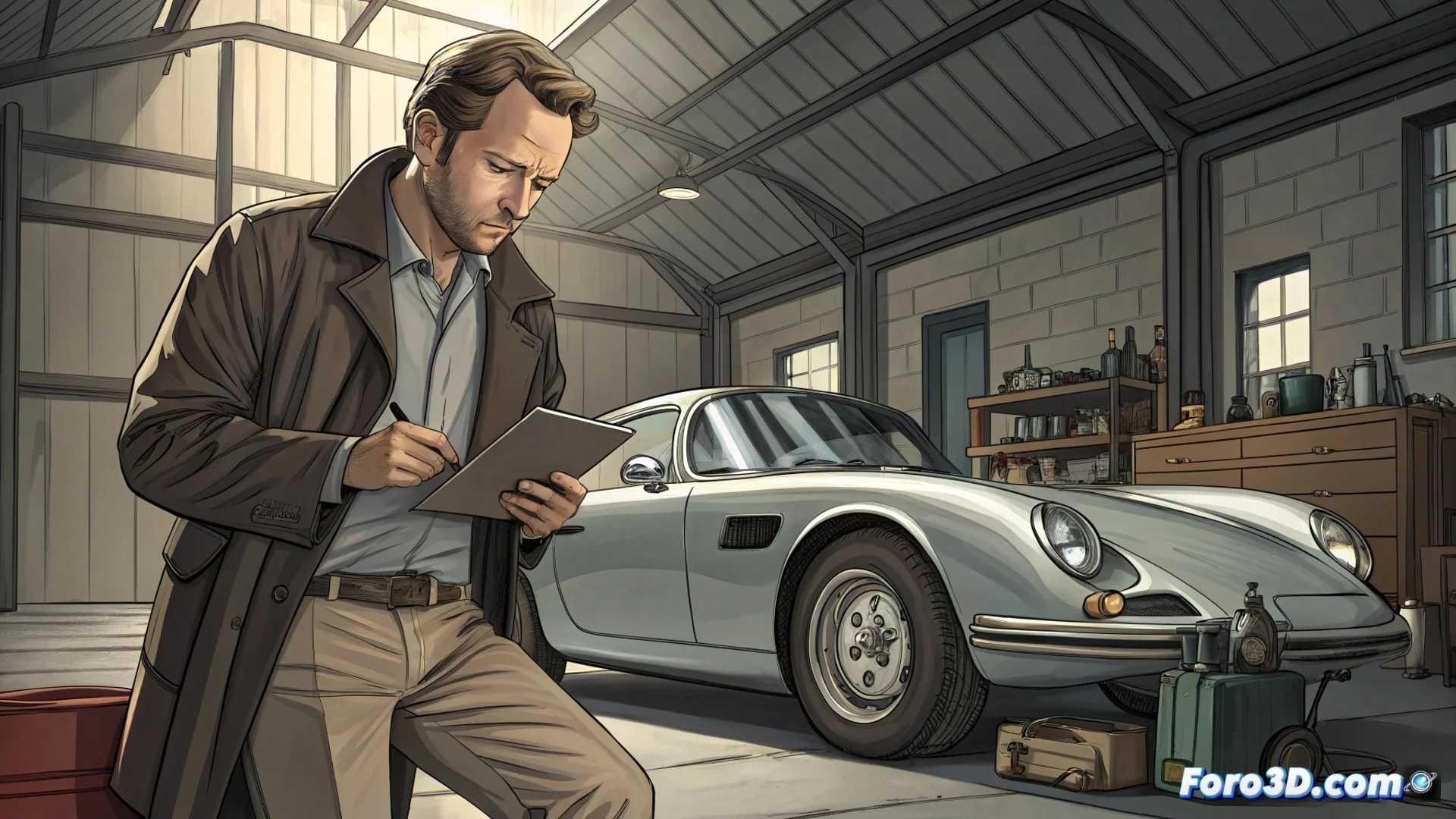
Ben Collins, the ex-Stig, criticizes modern cars from his garage
The former driver Ben Collins, known worldwide for embodying the mysterious Stig on the program Top Gear, shares a unique perspective from his personal sanctuary: his garage. With a career dedicated to pushing the limits of automobiles, Collins breaks down the elements of contemporary design that, in his opinion, erode the essence of driving. 🏁
The digital invasion and loss of connection
Collins identifies technological overload in the cabin as a central problem. He points out that large touch screens force drivers to take their eyes off the road for simple actions, like adjusting the climate control or music. This design, he argues, eliminates intuition and creates dangerous distractions. Additionally, while he acknowledges that assistance systems improve safety, they also create a bubble that isolates the driver from the genuine reactions of the chassis and tires.
Main complaints about the modern cabin:- Touch screens that force taking eyes off the road.
- Loss of physical and intuitive controls for basic functions.
- Electronic assistance that dilutes direct perception of the vehicle's behavior.
"Driving becomes an insipid task when the steering wheel doesn't transmit sensations." - Ben Collins
The burden of weight and soulless steering
Another front of his criticism is the constant increase in weight. Current automobiles, packed with electric batteries and equipment, sacrifice agility and respond sluggishly. Collins also attacks electric steering, which he describes as overly assisted and lacking real feedback. According to him, this system does not communicate what happens at the contact between the tire and the asphalt, depriving the driver of crucial information.
Key dynamic problems:- Excess weight from batteries and equipment, which reduces agility.
- Over-assisted electric steering that offers an artificial feel.
- Lack of clear communication between the tires and the driver's hands.
A garage as a statement of principles
Collins ironically comments on the need for a hypothetical "Stig mode" button that would disable all aids and return absolute control to the driver, an option that manufacturers seem to avoid. His own garage, populated with mechanical classics, acts as a physical testament to his philosophy. He prefers an era where the machine responded directly to the driver's instinct and skill, without layers of intermediary software. His analysis is a call not to forget the visceral passion that defines the pleasure of driving. 🚗💨