A team from IMDEA and UPM presents a design method that improves the properties of nitinol parts manufactured with 3D printing. The approach does not seek to alter the material, but its geometry at the macro scale. They create complex architectures, such as meshes and spheres, that allow adjusting the mechanical behavior of the final component. This opens the door to customized and high-performance medical implants.
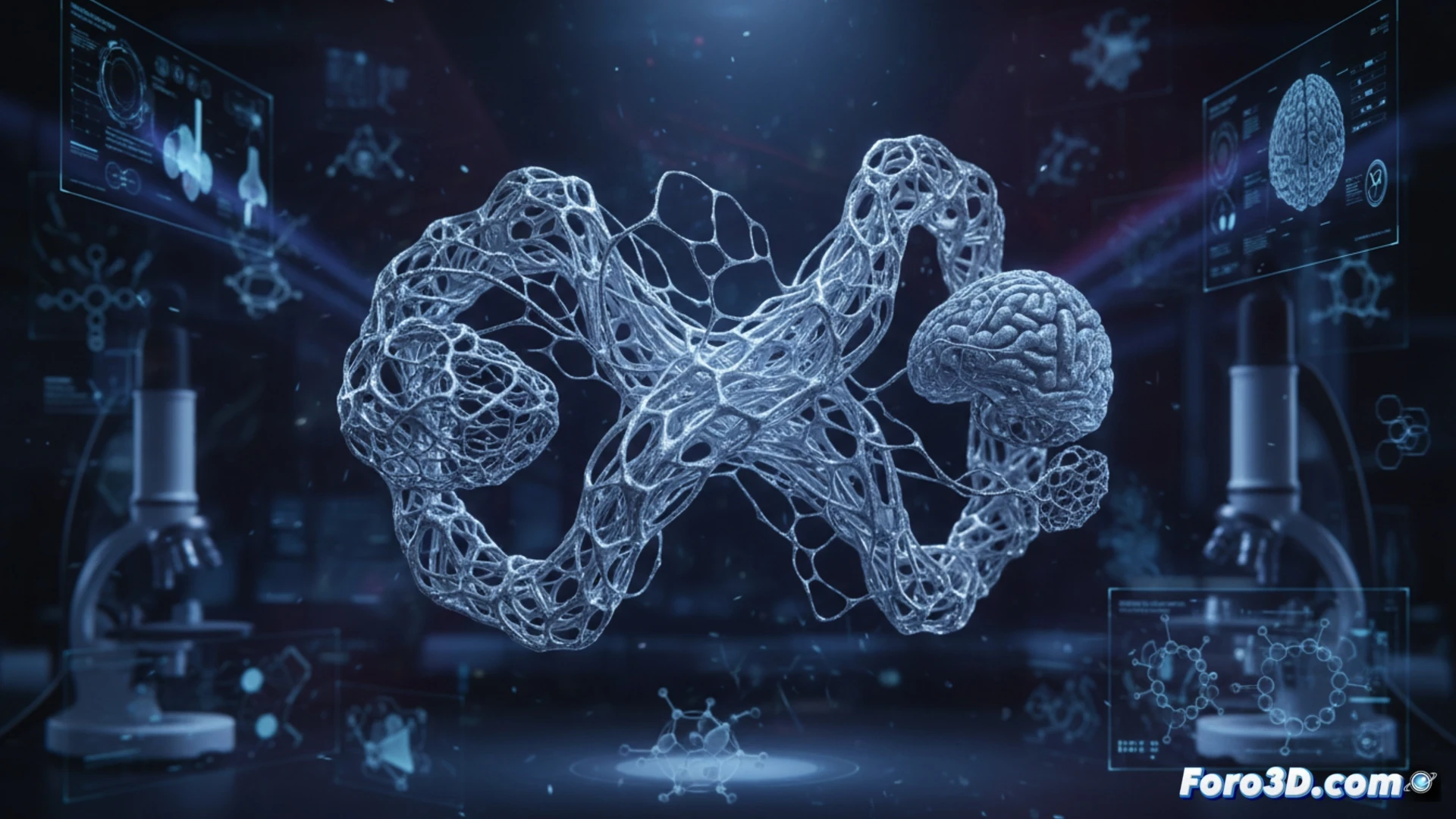
Algorithms and L-PBF to Control Stiffness and Energy Absorption ⚙️
The process employs an algorithm to generate porous structure designs inspired by tissues, which are then manufactured using laser powder bed fusion (L-PBF). The controlled geometry allows varying properties such as stiffness or energy absorption capacity by several orders of magnitude, something difficult to achieve with the base material alone. Computed tomography confirmed the accuracy of the printed parts compared to the digital model, validating the reliability of the process.
When Nitinol Gets Bored of Being a Spring and Wants to Be a Sponge 😄
It seems that nitinol, that shape-memory material that always wanted to be a spring, now has architectural aspirations. The researchers told it that it can be a mesh or a ball of spheres, and the material, delighted, has decided to behave differently depending on the day. Thanks to this, soon a stent could have the stiffness of a bone or the flexibility of cartilage, all without changing its composition. A lesson that sometimes you don't need to change from the inside, but simply reorganize.