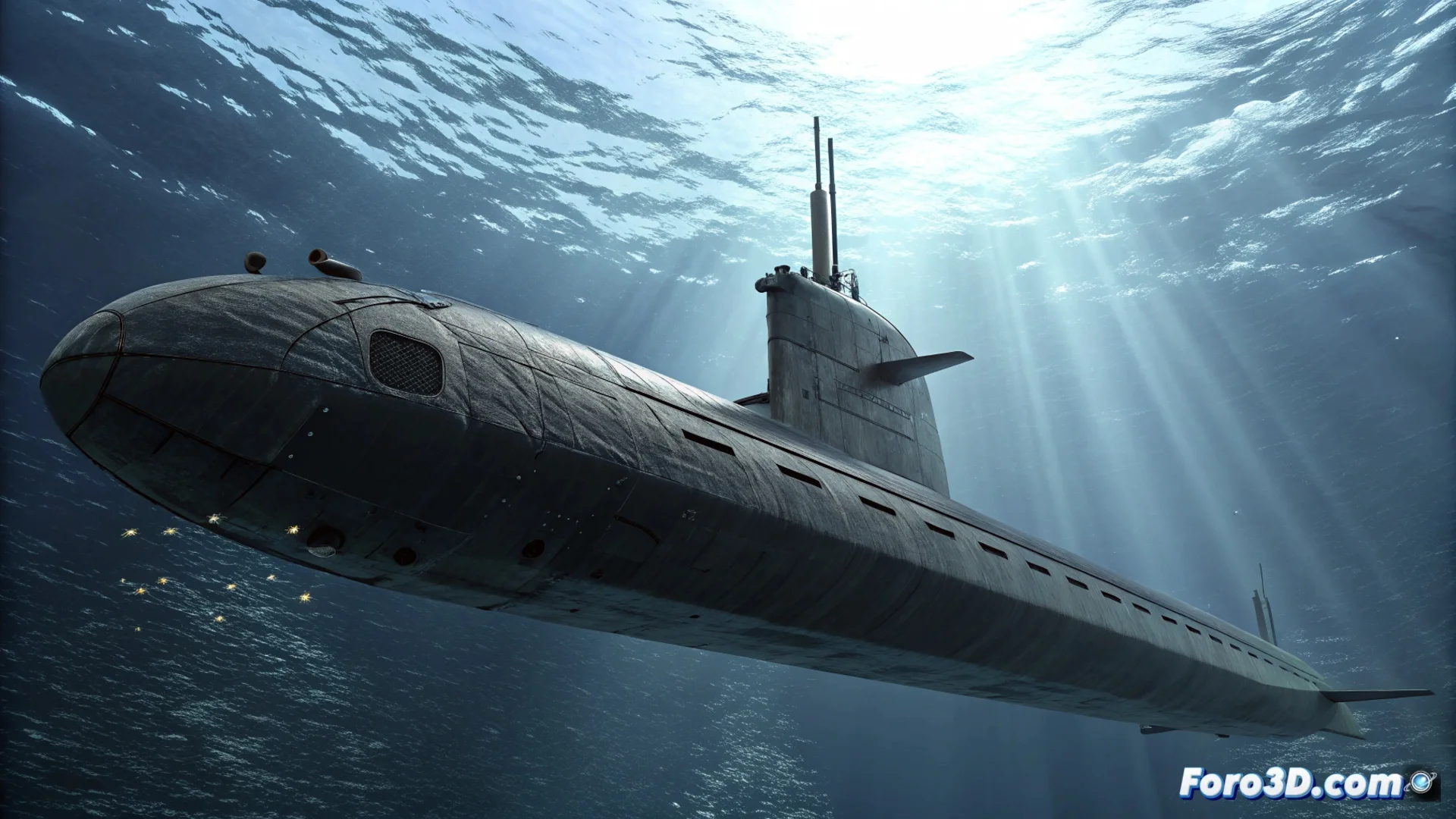
The KSS-III Batch II Submarine and Its Lithium-Ion Battery Technology
South Korea has developed the diesel-electric attack submarine KSS-III Batch II. Although it has not yet entered combat, it incorporates key technological advances that transform its operational capabilities. Its core is an air-independent propulsion (AIP) system along with a bank of lithium-ion batteries. This configuration aims to grant it exceptional underwater autonomy. 🚤
The Synergy Between AIP and Lithium-Ion Batteries
The AIP system enables the submarine to generate electricity without having to surface to intake air. This drastically reduces the need to use the snorkel, minimizing the risk of detection. For its part, lithium-ion batteries have a much higher energy density than traditional lead-acid batteries. This advance allows storing more power in an equivalent space, significantly extending the time it can remain submerged.
Key advantages of this combination:- Generate energy without surfacing, reducing acoustic and thermal signature.
- Store more energy to increase endurance while submerged.
- Optimize internal space by using more compact and powerful batteries.
The integration of AIP and lithium batteries represents a qualitative leap in the discreet autonomy of conventional submarines.
Functions and Strategic Value
This submarine was designed to carry out surveillance and deterrence missions in regional waters. Its greater submerged autonomy enables it to patrol extensive areas without revealing its position. Additionally, it is equipped with vertical launch tubes from which it can fire ballistic cruise missiles, thus expanding its strategic role beyond close defense.
Main operational capabilities:- Patrol stealthily for prolonged periods.
- Launch precision missiles against land and sea targets.
- Strengthen South Korea's submarine defense capability autonomously.
The Human Factor and the Future
Although it promises to be a ghost very difficult to locate in the depths, this advantage comes at a cost to the crew. Remaining weeks without seeing sunlight is a logistical and psychological challenge, but it is considered a necessary price to achieve that level of operational discretion. South Korea seeks with this project not only to deter, but to ensure a robust and independent naval defense. ⚓