The Game of Thrones TV franchise marked an era, but its legacy in video games is irregular. Far from a big-budget title, fans have received modest technical adaptations, linear narrative adventures, or free-to-play games. This track record has not lived up to the complex and epic world of the series, generating disinterest. The question persists: why doesn't a property with so much potential have a game that represents it?
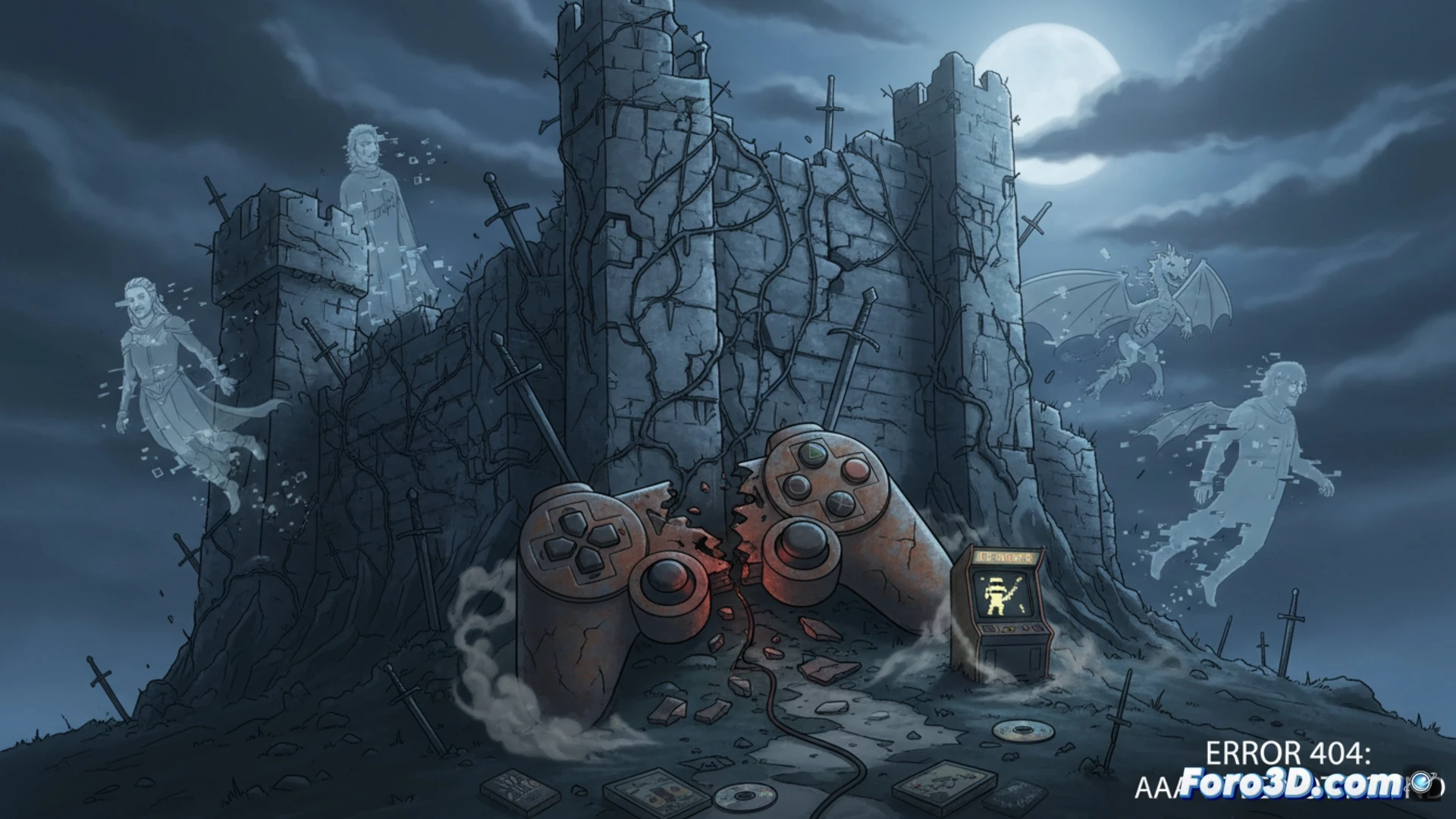
Technical Challenges and a Conservative Licensing Strategy 🏰
Creating an open world of Westeros with the expected narrative density and detail requires a significant investment and a prolonged development cycle. Warner Bros, holder of the rights, has opted to license the brand to smaller studios or for niche projects, minimizing risk. This strategy results in limited graphics engines, simple gameplay systems, and reduced worlds. Without an internal studio with dedicated resources, the possibility of a title with the ambition of The Witcher 3 fades away.
An Iron Throne... and low-res pixels 👑
Maybe the problem is one of focus. Warner's lords think that what the public wants is another card game or a shooter where Cersei wields magical crossbows. They have decided that fidelity to the series translates into including microtransactions as painful as the Painful. So we settle: dreaming of riding through the North in an immersive RPG, while on our mobile a low-poly dragon demands gems so it doesn't rebel. Valar Morghulis, valar DLC-hulis.