The tax advantage of electric vehicles in Switzerland is fading. Cantons like St. Gallen apply a Bonus-Malus system that, after an initial bonus period, calculates the tax based on weight and power. This means heavy electric models may pay more than combustion ones. At the federal level, there is debate about introducing rates per kilometer or electricity consumed starting in 2030.
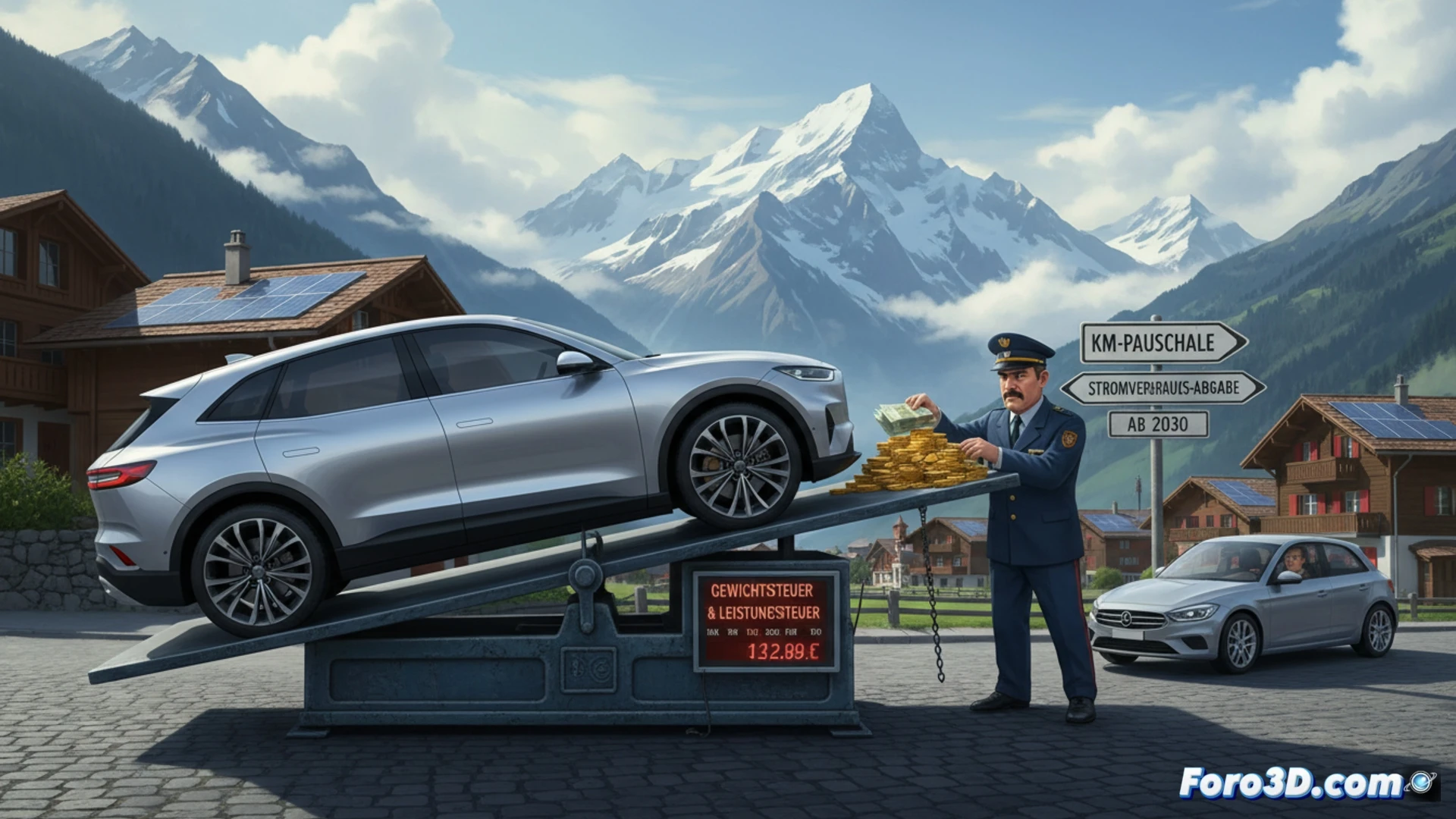
Weight and power, new factors in the tax equation ⚡
The technical system of the Bonus-Malus tax evaluates the vehicle comprehensively. It not only considers CO2 emissions, but also its curb weight and engine power. This formula disadvantages electric SUVs and high-end models, which tend to be heavier due to their large batteries. The technology that allows greater range thus becomes a tax penalty factor once the initial bonus expires.
Driving without polluting... but paying for the privilege 💸
It seems the ecological transition has fine print: if you avoid gasoline, you'll pay for the weight. The future looks like the state will charge you for every kilometer of clean air you breathe. Soon we'll have to declare to the tax office if we've taken a trip to the mountains or just to the store. In the end, the true zero emissions will be from our wallet.