An analysis by the Fraunhofer Institute on nearly one million vehicles in Europe provides clear data: plug-in hybrids (PHEV) have a real consumption much higher than official figures. The average is 6.12 l/100 km, compared to 1.57 l/100 km in the WLTP cycle. This difference questions the real efficiency and environmental benefits attributed to this technology.
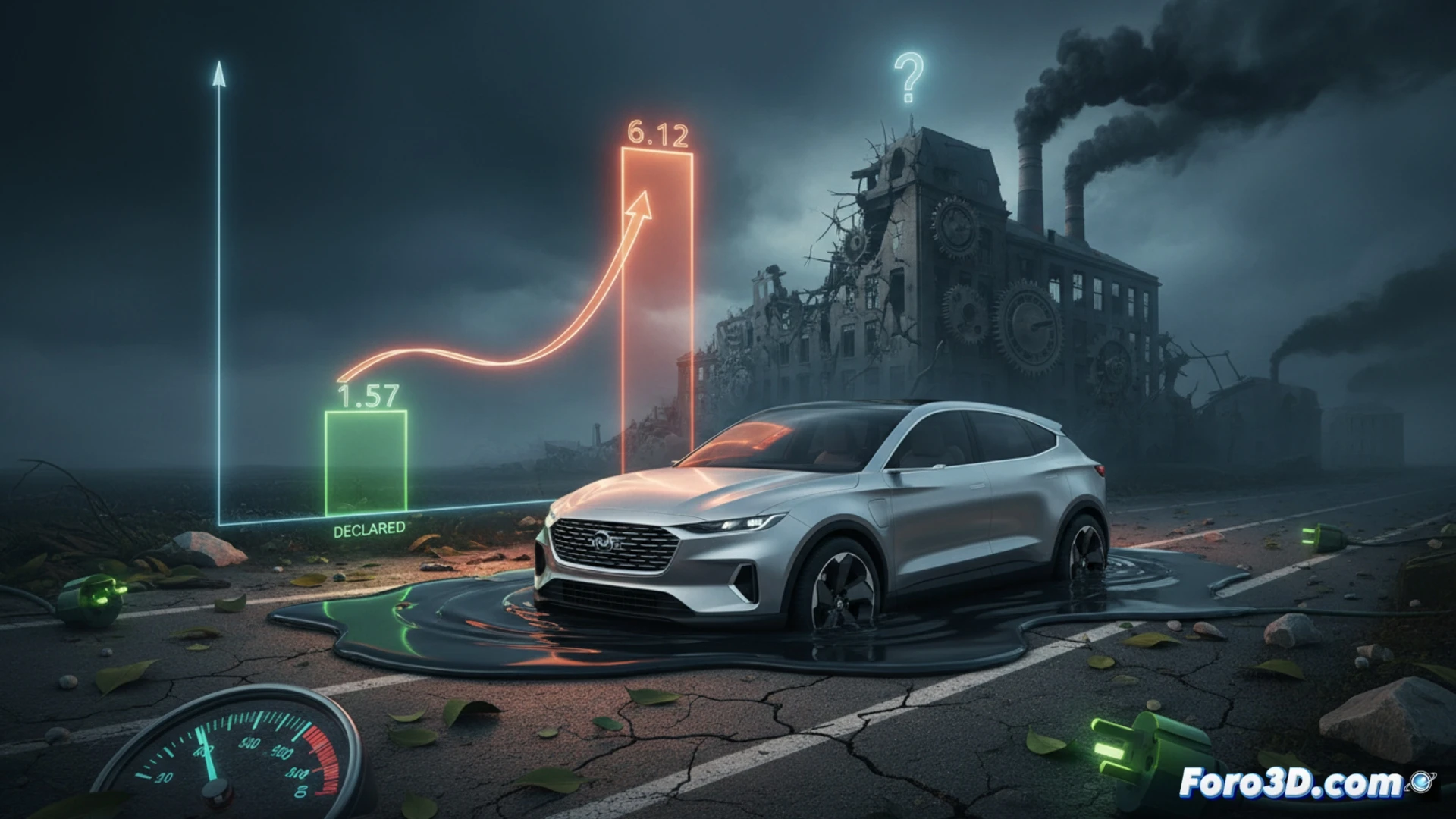
The gap between the lab and the road in PHEVs 🛣️
The study details that the problem worsens in hybrid mode, when the thermal engine and electricity operate together, doubling the declared consumption. This happens because homologation tests prioritize electric use and do not reflect real driving behaviors, such as high speeds on highways. The battery, often with low charge in daily use, ends up being additional weight that the combustion engine must move.
"Eco" Mode: activate the driver's imagination 🧠
It seems that the greatest savings in these vehicles is not in the tank, but in the mental exercise of the owner. When calculating the difference between the promised electric range and the real one, or trying to justify the purchase with official consumption data, intense neuronal work is performed. Perhaps manufacturers should also homologate that caloric expenditure as part of the overall system efficiency.