The Metal Gear Solid saga, created by Hideo Kojima, marked a turning point in video game design. It transformed tactical action by prioritizing infiltration and planning over direct combat. Its complex narrative, loaded with political and philosophical criticism, demonstrated that the medium could address mature themes. Its legacy is visible in numerous franchises that followed in its wake.
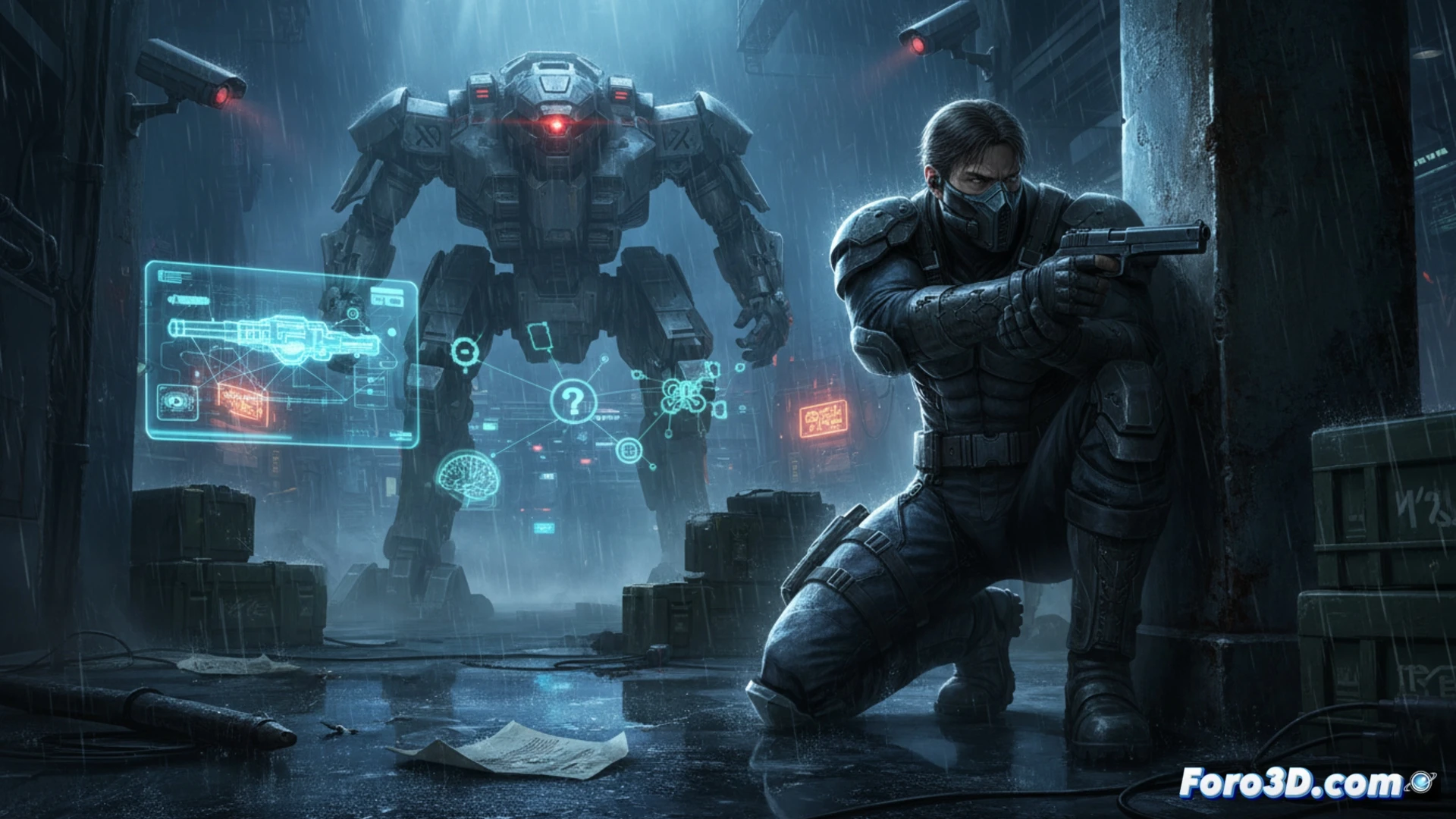
Technical Innovation: From the Sound Radar to Cardboard Boxes 📡
Technically, the saga introduced systems that defined the genre. The sound radar on the PS1, which visualized the guards' field of hearing, forced the player to consider noise. The physics of bodies and their detection added layers of tactical realism. In the artistic aspect, the use of cinematic scenes with studied camera angles and outstanding voice acting for its time elevated the production to cinematic standards.
Elite Infiltration? More Like Extensive Radio Therapy 🎧
The true test of skill in Metal Gear was not dodging missiles, but surviving codec conversations that lasted longer than the mission itself. While Snake hid in a vent, the player received a seminar on meme theory or Cold War geopolitics. One infiltrated a nuclear base, but ended up with a PhD in philosophy taught by a colonel who called every two minutes.