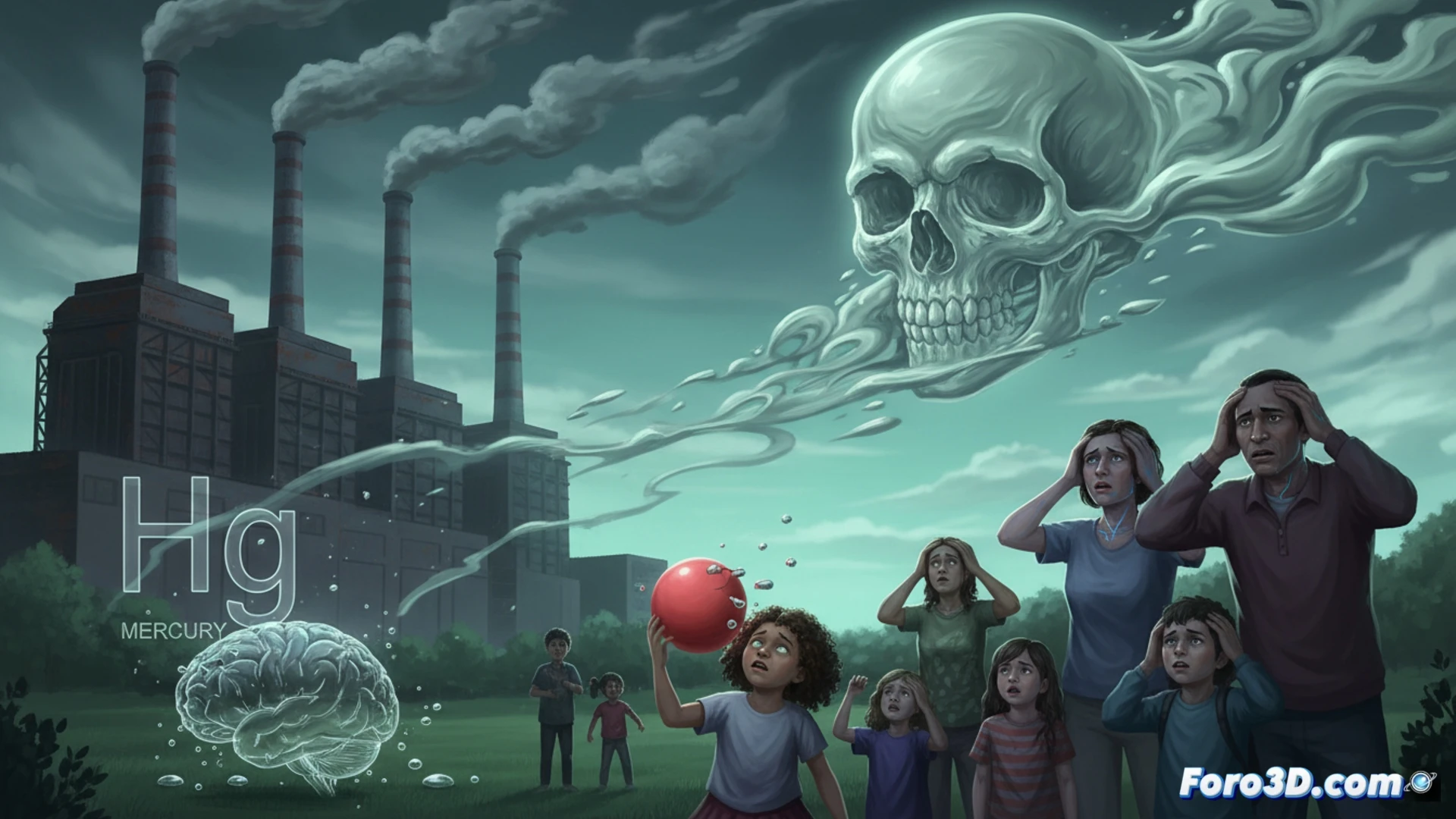
The burning of coal to generate electricity releases mercury, a potent neurotoxin regulated globally. This metal, trapped for eons in coal, passes into the atmosphere and contaminates the environment. Its impact on human health is documented: it causes permanent damage to the nervous system, lungs, and other organs. Children are the most vulnerable, at risk of severe developmental alterations. The lack of strict controls does not eliminate this already known danger.
Capture and Control: Technologies to Mitigate Emissions ⚙️
Mercury emission reduction relies on integrated control systems. Electrostatic Precipitators (ESP) and fabric filters retain particles. Wet flue gas desulfurization (FGD) systems, by absorbing SO2, also capture oxidized mercury. For elemental mercury, which is harder to retain, additives like injected activated carbon are being researched, which adsorbs it for filtration. Effectiveness depends on the type of coal and plant configuration.
A Poisoned Gift from the Age of Dinosaurs 🦴
It's curious to think that we are releasing, in decades, mercury that rocks guarded jealously for millions of years. Nature had it well stored in its geological basement, but we insist on taking it out to let it fly up the chimney. A prehistoric legacy that, instead of fossils, gifts us neurotoxicity. All so that later it surprises us that the air has consequences. A carbon life cycle, but in its most toxic version and with the worst script.