The story of Chevalier d'Éon, a French diplomat who lived as both man and woman, shows that identity can be complex. Today, that debate is poisoned by harassment and loss of privacy. If d'Éon lived now, he wouldn't seek a fake passport, but a technological solution: a sovereign digital identity system that allows controlling our expression towards others.
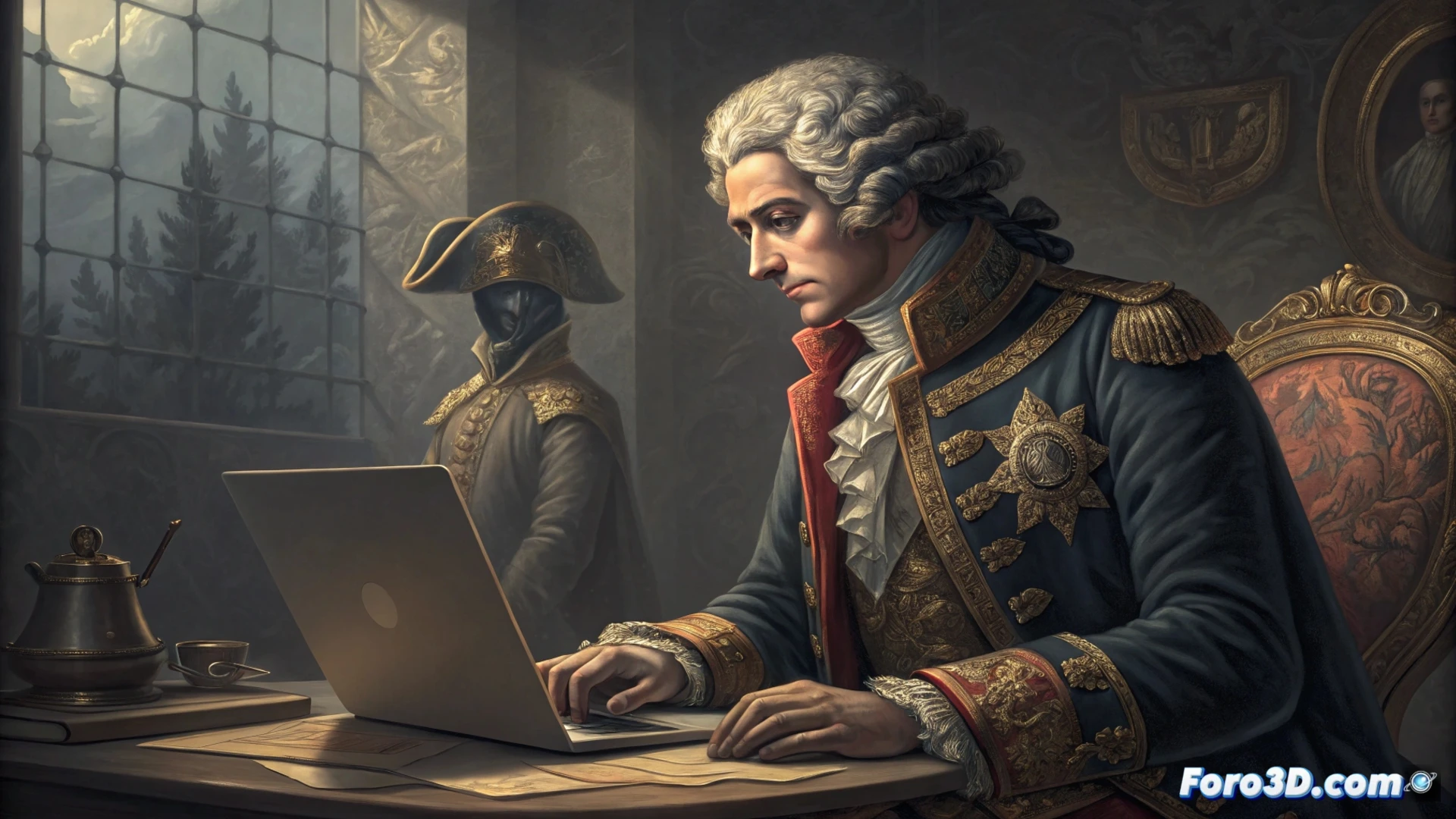
Towards a Fluid and Layered Identity Protocol 🧩
The proposal would be a verified identity core (like a cryptographic key), anchored to a sovereign entity. From there, each user would generate avatars or secondary profiles. These would have different levels of anonymity and attributes (name, gender, data). You could have a linked professional profile, another for social networks with fluid expression, and completely anonymous ones for forums. The key is granular control over which avatar reveals which core data and to whom.
D'Éon Today: Not Even a Like with His Real Name 🎭
Imagine d'Éon browsing today. To check an 18th-century fencing forum, he would use an anonymous avatar Swordsman_1730. For his diplomatic work, a verified profile Charles d'Éon. And to explore fashion in Paris, a profile Lia with female gender and zero public connection to the previous one. The French secret police would try to dox him, but would only find layers of encryption. His greatest achievement wouldn't be spying on Russia, but that his bank wouldn't send him ads with the wrong title.