In Cornwall, in the southwest of the United Kingdom, there is a lithium deposit of great strategic value. Nicknamed the Lithium Klondike, this resource is vital for the energy transition and reducing dependence on China. The project explores two paths: reactivating hard rock mining in historical veins and an innovative geothermal method that extracts the mineral from hot brines while generating electricity.
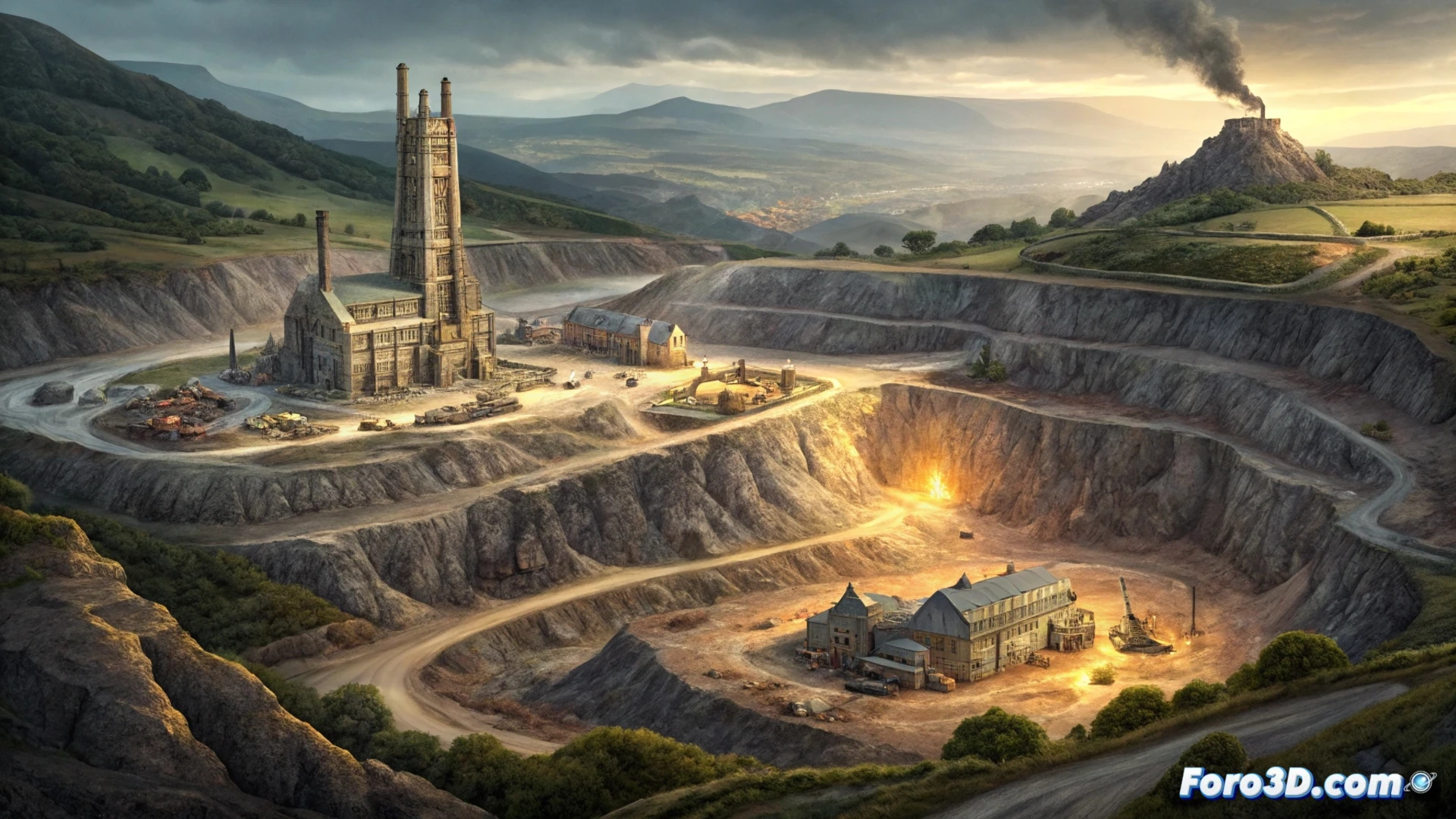
Two Methods in Contention: Deep Drilling versus Historical Galleries ⚙️
The geothermal technique consists of pumping brine from depths greater than 5,000 meters. This hot fluid is used to produce energy and, after cooling, is subjected to an absorption process with aluminum filters to extract the lithium, before being reinjected. It is a closed-loop system. The alternative is conventional hard rock mining, which would use the infrastructure of old tin mines to access mineralized granite veins.
Billions of Reasons Not to Celebrate Yet 💸
Although they have achieved milestones such as the first combined production, the reality is that the path is paved with challenges measured in billions. Between permits, full-scale plants, and complex logistics, the project seems like a board game called Billions Monopoly, where each square is a new financial or regulatory obstacle. It seems that extracting the white gold requires, first, finding mountains of traditional gold.