A report documents how parts manufactured in the United Kingdom, with civilian and military applications, are integrated into Russian drones and missiles. Evading sanctions, these electronic and mechanical components reach Russia through a network of intermediaries. China, Hong Kong, and other nations act as re-export points, making tracking difficult.
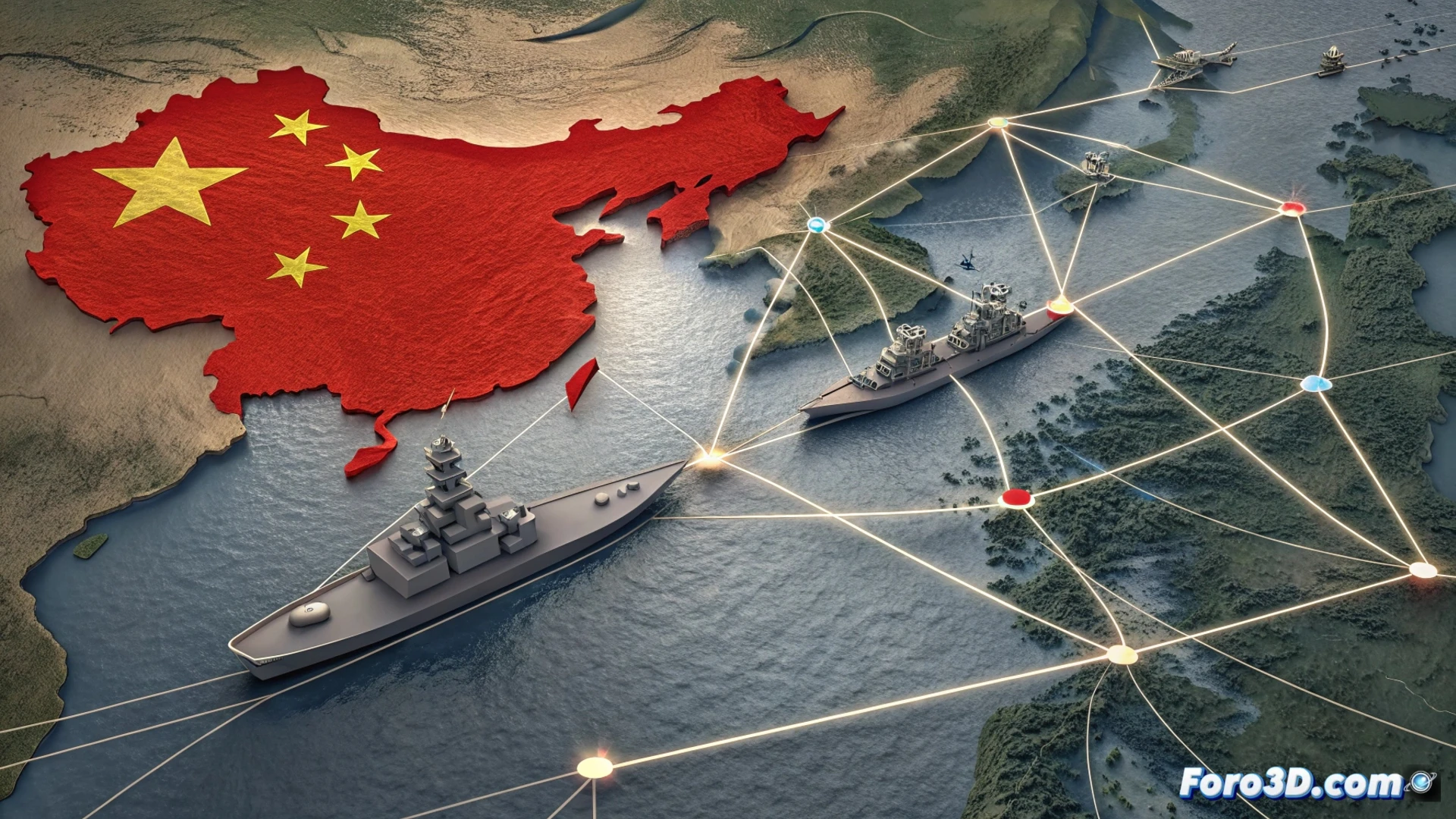
The Technical Journey of a Microchip: From a UK Warehouse to a Shahed Drone 🛰️
These components, such as signal converters, chips, and gyroscopes, have dual use. They are legally purchased for supposed factories in intermediary countries. There, they are integrated into boards or systems that are then shipped to Russia. Traceability is lost in the supply chain. Finally, Russian assemblers mount them in navigation or weapon control systems, where they are identified after shoot-downs or captures.
The 21st Century (Electronic) Silk Route 🗺️
It seems globalization works better than expected. A component can enjoy a rainy summer in England, take a container eastward for a change of scenery, and, after a brief creative customs procedure, end its journey in an explosion over Ukraine. All without the original manufacturer lifting a finger. It's the wartime version of buy local, think global, but reversed and with noisy endings.