Atomic Heart was Developed with Unreal Engine 4 and Deep Modifications
The action and adventure title Atomic Heart is based on the well-known Unreal Engine 4 engine. However, the Mundfish team did not limit themselves to using it in a standard way, but instead made extensive changes to its code to capture their particular artistic and technical vision. This decision allowed them to sculpt a unique and distinctive visual environment, moving away from version 5 to precisely adapt the base of the fourth iteration. 🎮
A Customized Graphics Engine for a Unique Aesthetic
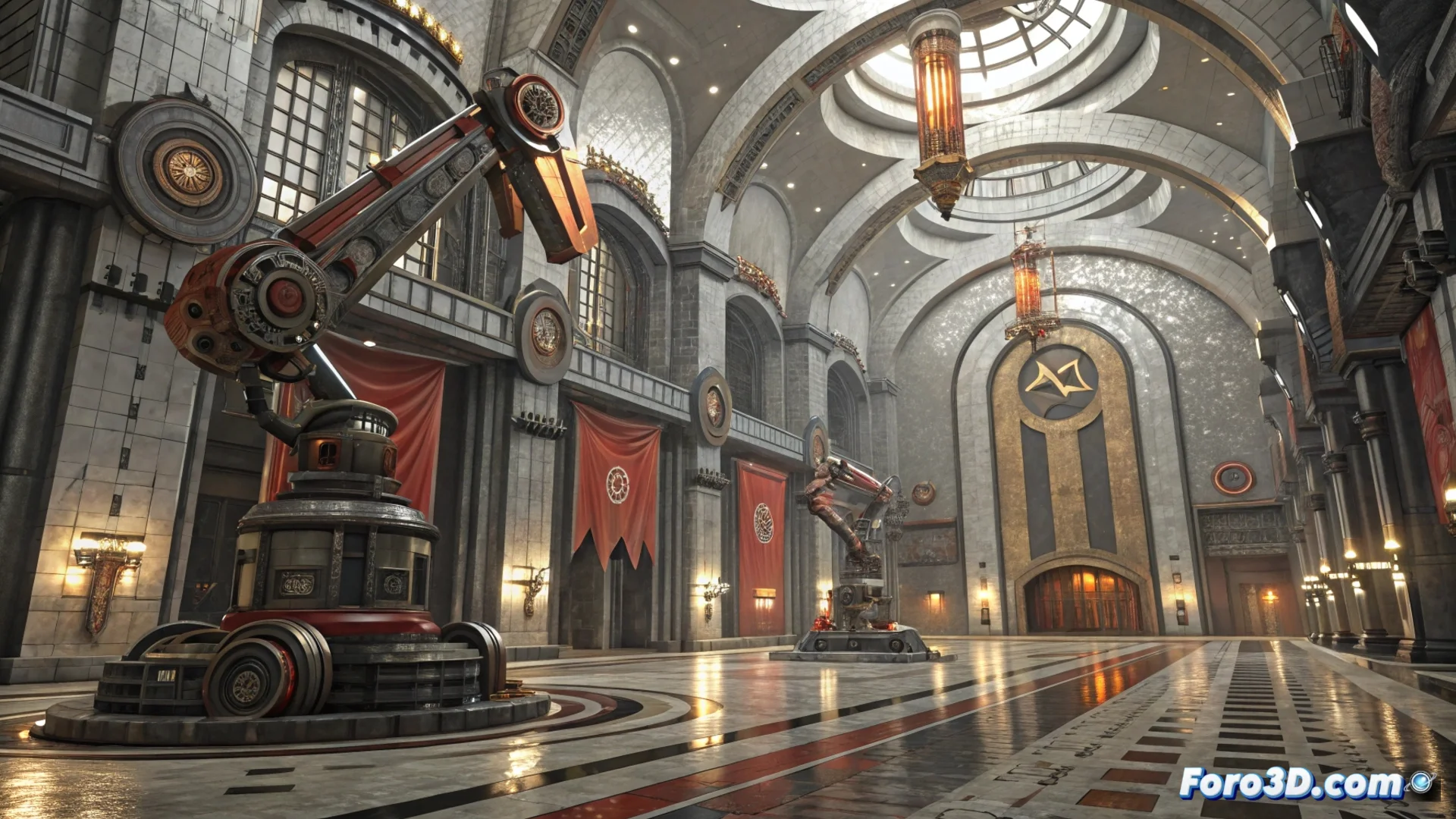
Altering the engine so deeply was key to achieving the iconic fusion of Soviet aesthetics and advanced robotics that defines the game. This customization enabled the implementation of cutting-edge graphics systems that enhance every detail of the retrofuturistic world.
Key Technical Features Enabled:- Ray Tracing: Used intensively on PC to calculate reflections, project dynamic shadows, and manage global illumination, adding great realism.
- NVIDIA DLSS: This technology is employed to scale the image, improving frames per second performance without sacrificing visual sharpness.
- PBR Materials: The workflow relies on physically based materials (PBR) with a very high level of detail, essential for the art direction.
When you imagine futuristic Soviet utopias, you're likely to think of robots with claws dancing. Technology makes it possible.
The Asset and Sound Creation Pipeline
To build each element of the game, the studio established a workflow with specialized tools. Each software contributed decisively to defining the project's visual and sound identity, from 3D models to audio effects.
Main Software Used in Development:- 3D Modeling: Autodesk 3ds Max was used along with Pixologic ZBrush to sculpt and create the geometry of characters and environments.
- Texturing: To paint and bring the models to life, the team turned to Substance 3D Painter, ensuring PBR material consistency.
- Interactive Audio: The sound system was designed and implemented using the FMOD tool, which allows for greater control and dynamism.
Conclusion on the Technical Approach
The development of Atomic Heart demonstrates how a deep modification of an established engine like Unreal Engine 4, combined with a robust creation pipeline, can shape a memorable visual and auditory experience. The choice of not migrating to UE5 and focusing on adapting the available technology proved to be a success in materializing its particular retrofuturistic universe. 🔧