NASA has taken a drastic measure with the veteran Voyager 1 probe. To conserve energy and extend its mission, it has deactivated the scientific instrument Lecp. With this one, eight systems have now been shut down. The spacecraft, which relies on a nuclear generator that degrades over time, needs these actions to continue operating. The goal is to buy time until a more complex software solution is implemented, scheduled for two years from now. 🛰️
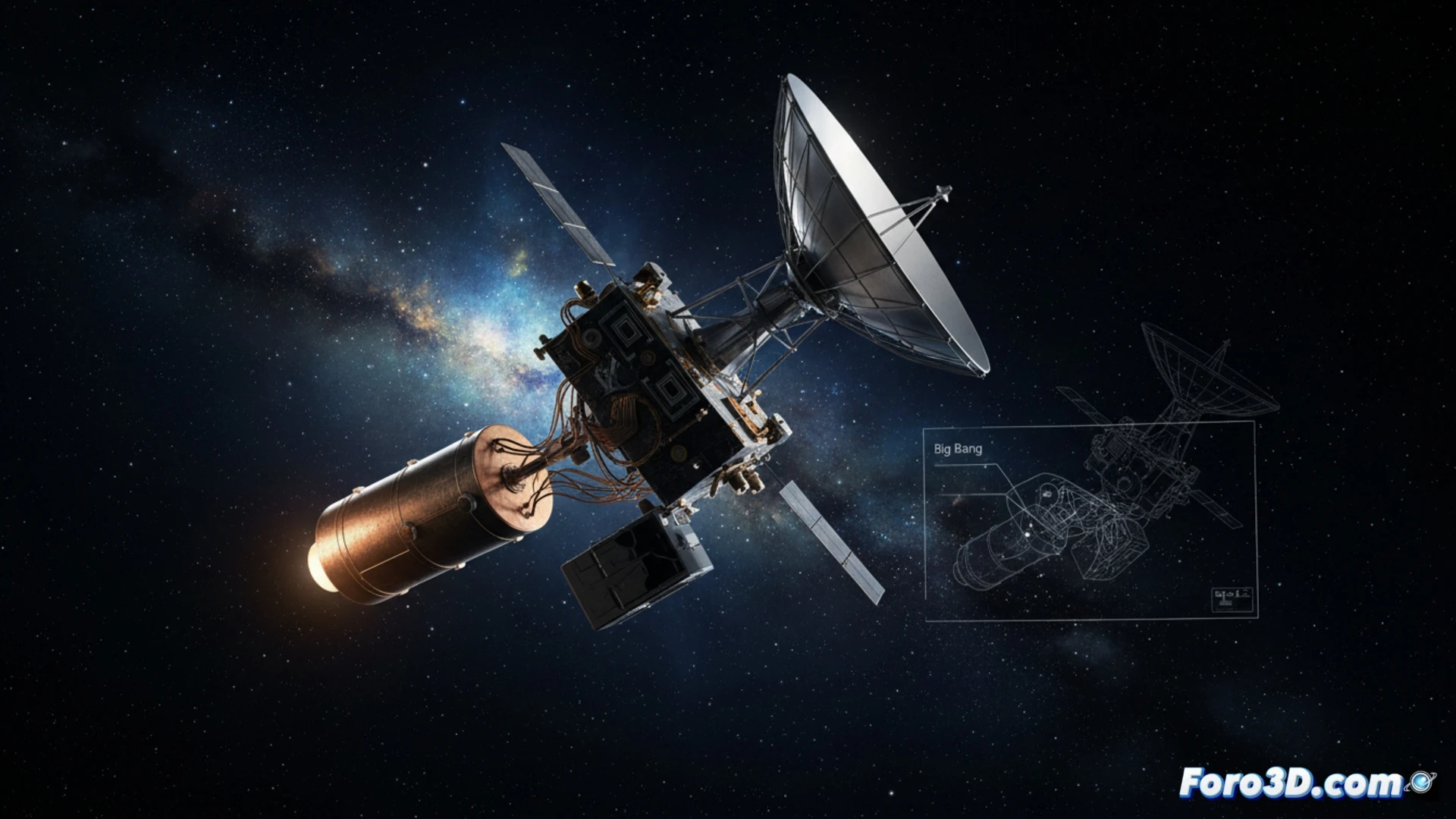
The Big Bang plan: a software reinvention for 70s hardware 💾
The long-term solution is called Big Bang, a plan for 2026. It consists of replacing several subsystems via software with low-power versions. The idea is to reprogram critical functions so they use less energy from the dwindling radioisotope thermoelectric generator. It will first be tested on Voyager 2, which is in a similar situation. If the tests are positive, the update would be sent to Voyager 1 in July. The challenge is to modify the code of a computer that is decades old without interrupting its interstellar journey.
Turning things off so it doesn't turn off: the logic of interstellar travel 🔋
NASA's strategy has a touch of a household survival manual. When the remote control battery is low, you take the batteries from another appliance you don't use. Voyager 1 has already donated the energy from eight of its scientific 'appliances'. Now engineers are preparing a massive remote hack, like changing the light bulbs at home to LEDs, but from 24 billion kilometers away. All so this technological grandmother can keep sending cosmic postcards a little longer.