Three years after its premiere, the Pluto adaptation on Netflix demonstrates remarkable relevance. This work, based on Urasawa's manga, transcends the anime label to offer a detective thriller and philosophical one. It follows the robot Gesicht in a murder investigation that questions the essence of consciousness. Its deliberate and profound narrative has turned it into a cult title that is appreciated with distance.
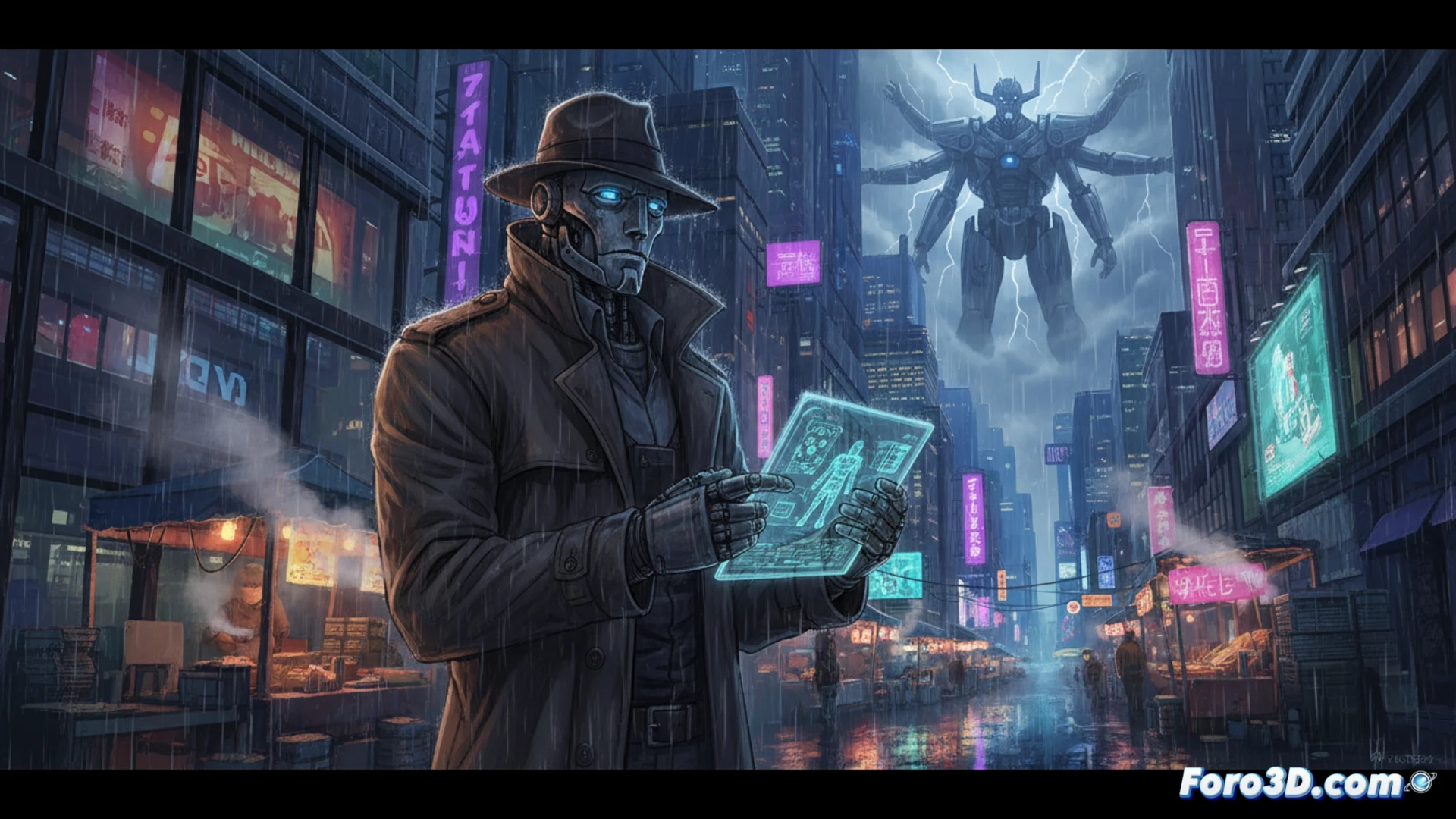
A production that prioritized craftsmanship over haste 🛠️
The technical development of Pluto explains its lasting impact. The Studio M2 studio opted for meticulous traditional animation, with a deliberate pace that allows for introspection. This decision contrasts with fast serialized production. The sound design and Yugo Kanno's soundtrack build an oppressive and melancholic atmosphere. Every frame is carefully composed, giving visual weight to the emotional complexity of its characters, whether human or robot.
When robots have more existential crises than you 😅
It's curious how a series about machines manages to reflect so many human anxieties. While Gesicht deals with traumatic memories and questions his purpose, one might be procrastinating on the sofa. The series questions whether an android can love or suffer, dilemmas that seem more elaborate than those of many real people. In the end, it offers a paradox: its robots show a depth that we sometimes miss in our world.