The search for extraterrestrial life becomes more complicated. A new study from the University of Washington redefines the habitable zone, that belt around a star where water can be liquid. Now it is not enough for water to exist; the planet needs a minimum amount for the carbon cycle that stabilizes the climate to function. Simulations indicate that between 20% and 50% of Earth's ocean water is required.
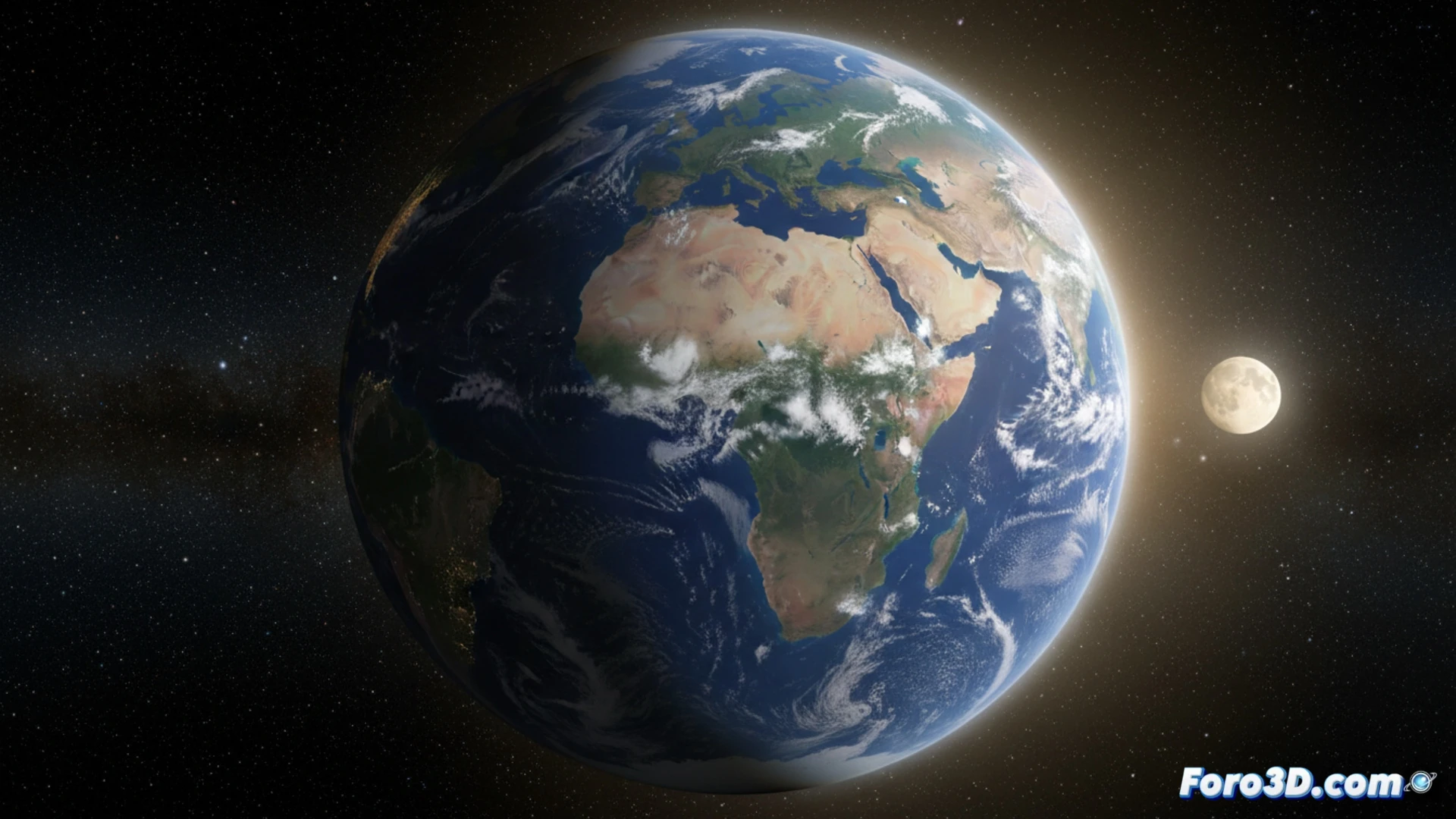
Simulations reveal the water threshold for tectonics 🌍
Researchers modeled the geological carbon cycle, the process that regulates planetary temperature through rock weathering. For this cycle to operate, water must cover enough surface area and penetrate the crust. Without that volume, carbon dioxide accumulates in the atmosphere, triggering an uncontrolled greenhouse effect. The study reports that planets with shallow or overly deep oceans fail to stabilize their climate, reducing the options for potentially habitable worlds.
Goldilocks now asks for more glasses of water 💧
So it is no longer enough to be in the right place. Now life demands that the planet has the right amount of water, neither too little nor too much. It is as if Goldilocks, in addition to asking for the soup at the right temperature, demanded that the bowl be filled to a certain level. Scientists are becoming picky, but at least we know that searching for worlds with cosmic pools will be useless.