3DCeram Sinto has presented an advancement in the manufacturing of components for solid oxide electrolysis cells (SOEC). Using stereolithography (SLA), the company develops ceramic parts with complex geometries aimed at optimizing hydrogen production and energy storage. The goal is to overcome the limitations of traditional flat designs, which typically fail at pressures above 40 millibars.
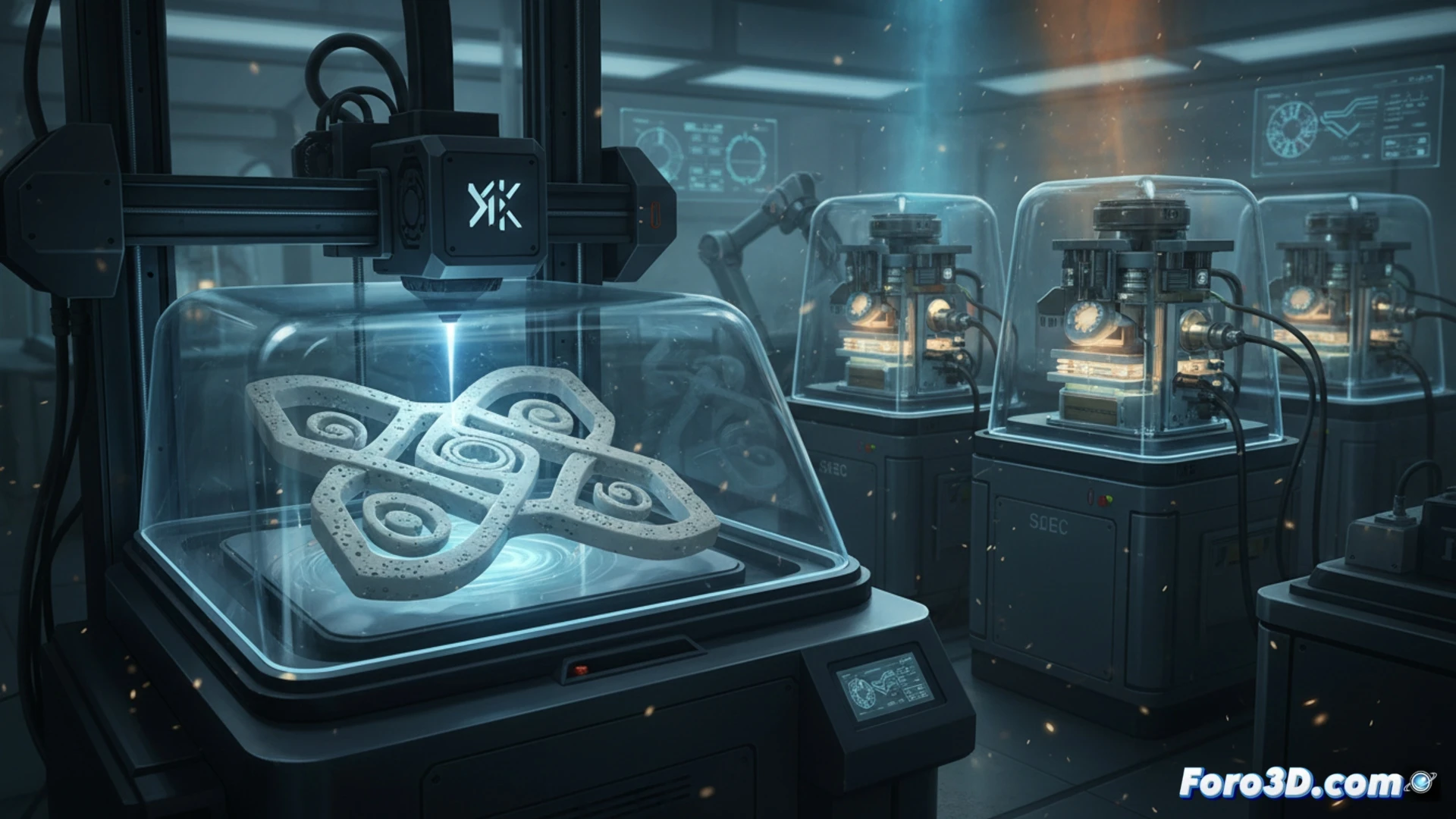
SLA technology for geometries that were previously impossible 🚀
The conventional method of manufacturing SOEC uses flat ceramic membranes, which are very sensitive to pressure differences. This forces the use of expensive pressure vessels to prevent breakage. 3DCeram Sinto applies 3D printing to create internal structures with channels and organic shapes. These new geometries better distribute pressure and increase the active surface area, allowing for more stable and efficient operation without the need for such heavy mechanical shielding.
Goodbye to pressure tanks, hello to curved parts 😎
It seems flat ceramics really don't handle any pressure difference well. At 40 millibars, they throw a fit and break. 3DCeram Sinto's solution is to give the parts curves and angles, as if they were IKEA furniture but without the instruction manual. Now the membranes breathe better and don't need a pressure tank that costs as much as a small car. Technology advances, and ceramics learn to relax.