Pixar presents Hoppers, the directorial debut of Daniel Chong, creator of We Bare Bears. The comedy revolves around scientists projecting human consciousness into animal robots to communicate with all creatures. Chong was inspired by curious real-world efforts to integrate into the animal kingdom, such as those cases of people dressing up to feed pandas. The film marks a leap from Chong's original 2D style into Pixar's 3D universe.
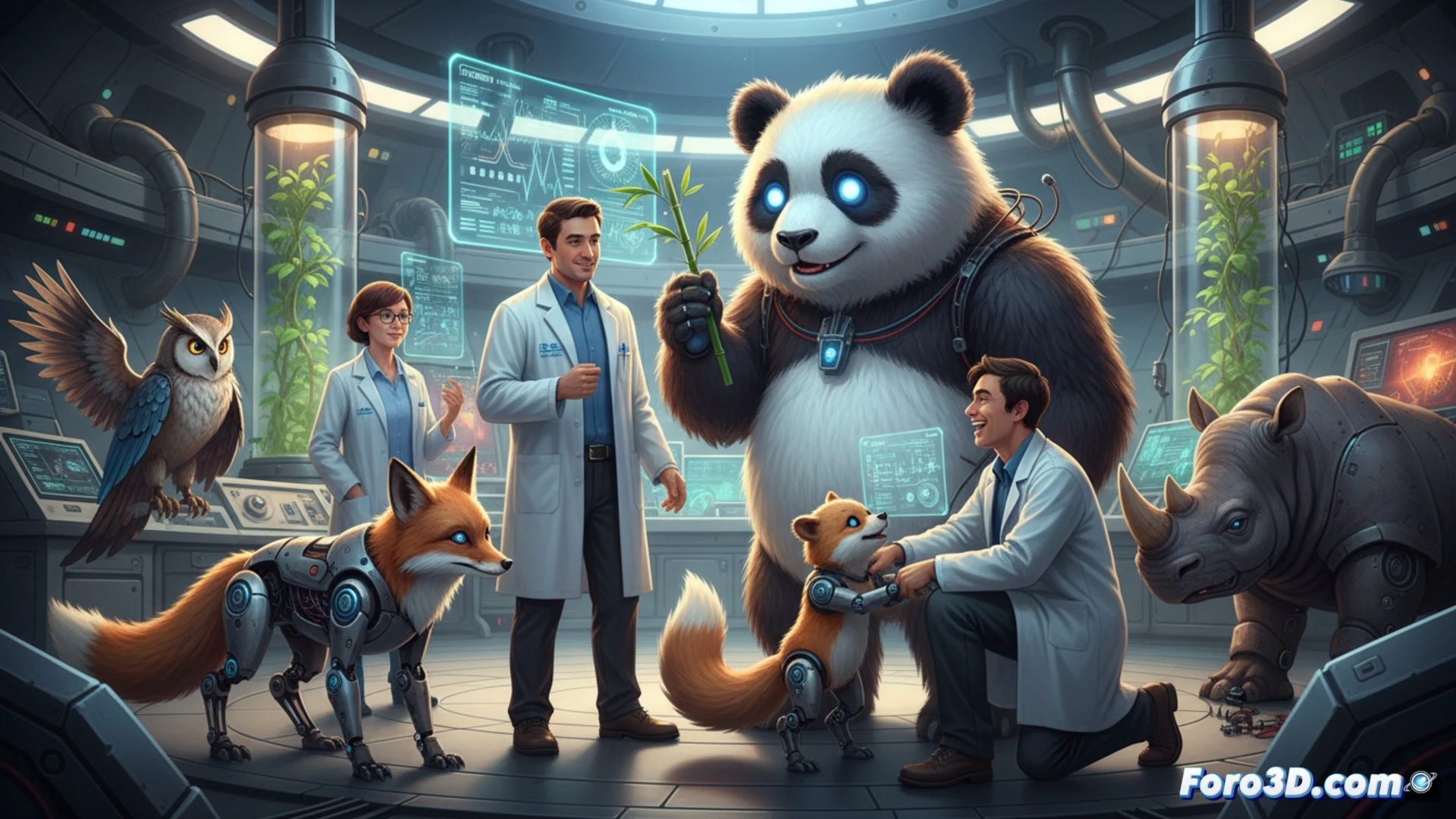
The Technical Challenge of the Eyes and the Transition to 3D 🎬
The team, including producer Nicole Paradis Grindle, faced the challenge of adapting the humor and visual design to the Pixar format while maintaining the original charm. A key technical aspect was the development of a versatile eye model for the animal robots. The system allows switching between dot eyes, which give a more realistic and animal-like appearance, and expressive cartoon eyes. This change depends on whether the scene is told from the human perspective or the animal perspective within the narrative.
Finally, an Excuse to Dress Up as a Robot and Talk to the Squirrels 🤖
The premise of Hoppers solves in one fell swoop that social problem of not knowing what to say to a raccoon rummaging through your trash. Instead of learning its language or respecting its space, the logical solution is to project your consciousness into a robot body. That way you can explain your reasons for putting a lock on the bin. It's a scientific advancement that undoubtedly justifies all those years of study and the million-dollar budget.