The next generation of the Nissan GT-R, the R36, has an estimated release date of 2030. Far from rumors pointing to full electrification, the brand has decided to keep a combustion engine. The vehicle will be a complete overhaul from the chassis to the electronics, with the goal of becoming a global product. The strategy aims to reconcile the model's legacy with future environmental regulations.
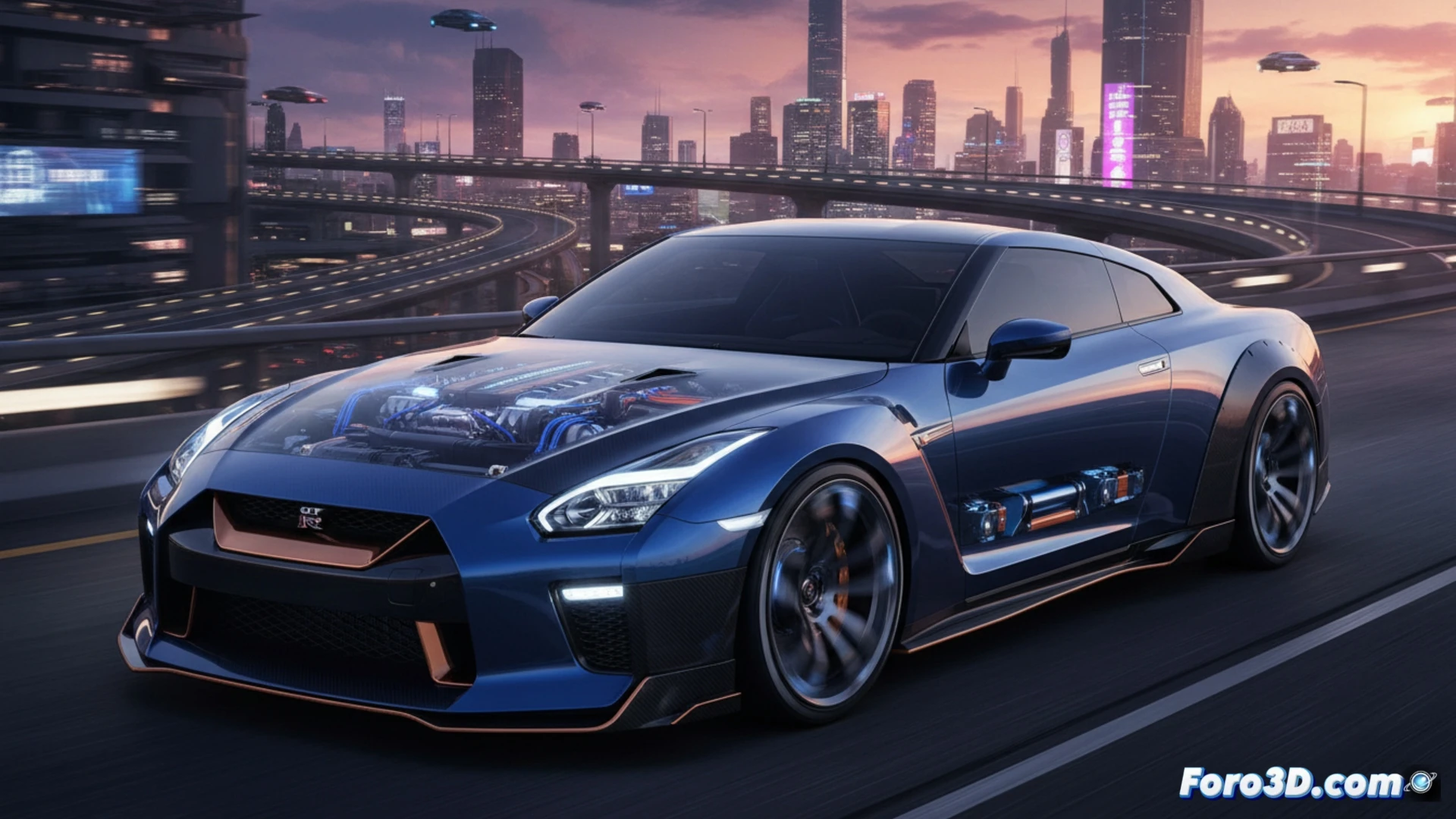
Technical evolution of the VR38 and hybrid architecture 🔧
The heart of the R36 will remain the VR38 V6 biturbo block, inherited from the R35, but undergoing an improvement process. This engine is expected to be integrated into a hybrid propulsion system, likely with a plug-in hybrid scheme. This hybridization will allow it to comply with emission regulations without giving up the characteristic performance of the GT-R. The platform will be new, designed to accommodate the electrical components and optimize weight distribution.
Purists breathe (and environmentalists sigh) 😮💨
In a world where everything seems headed towards electric silence, Nissan decides that the roar of the VR38 still has something to say. While other brands present their electric SUVs with names of futuristic concepts, the GT-R clings to its turbos and its track record. It seems the recipe for nostalgia is a bit of gasoline, a bit of electricity, and an instruction manual that will still read like an advanced engineering thesis. At least, gas stations will have a loyal customer until 2040.