Temperature is a key factor in an SSD's longevity. Its components, such as the controller and NAND cells, suffer accelerated degradation with constant heat. A heatsink, whether a simple piece of aluminum or a model with a fan, acts as a thermal regulator. Its main function is to maintain a stable temperature, avoiding spikes that could damage the hardware in the long run.
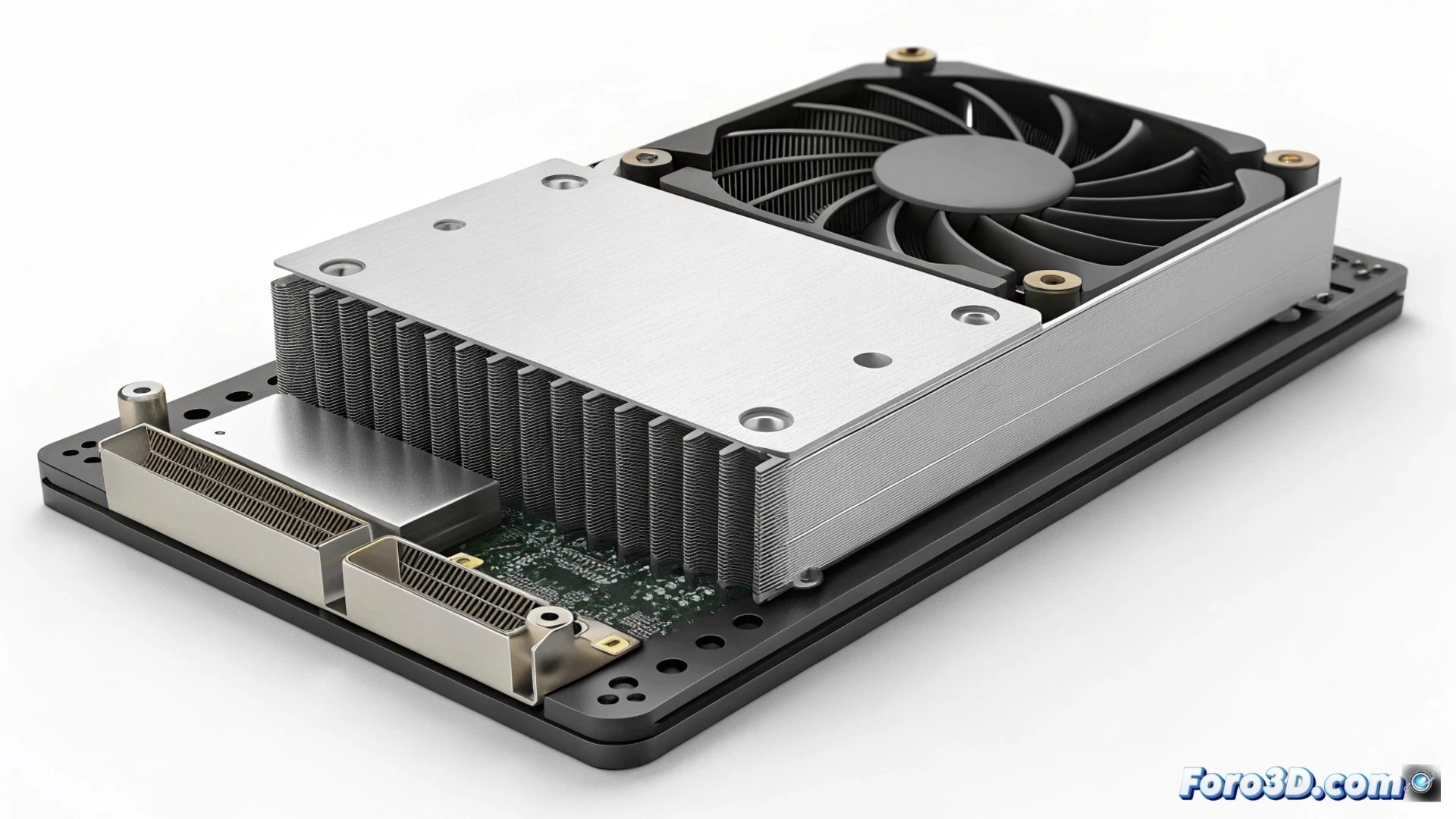
Thermal Protection Mechanisms in NVMe Drives 🔥
Excessive heat triggers two defense mechanisms in the SSD. The first is the physical degradation of semiconductors, an irreversible chemical process. The second is thermal throttling, where the controller drastically reduces its operating speed to lower the temperature, causing performance drops. An effective heatsink mitigates both problems: it slows down the silicon aging and prevents the frequent activation of throttling, maintaining more consistent performance.
Your SSD Doesn't Want to Be a Griddle 😓
It's funny to think we buy a high-tech component only to suffocate it in the hottest slot of the PC. We let its controller sweat ink while transferring files, as if it were an athlete in a sauna. Putting a heatsink on it is the equivalent of giving it a fan and a glass of water. It doesn't make it immortal, but at least it prevents it from dreaming of melting and forming a puddle of silicon on the motherboard.