María Oruña critica la ley francesa sobre obras expoliadas

发布于 2026年06月04日 | 从西班牙语翻译

作家玛丽亚·奥鲁尼亚出版了《奇迹之室》,这是一部以艺术品黑市为背景的惊悚小说。与此同时,她谴责法国新法律允许归还被掠夺的艺术品,却排除了拿破仑时期。奥鲁尼亚认为,这一遗漏是一个陷阱,将穆里略等艺术家的画作排除在外,这些画作被视为西班牙的遗产。
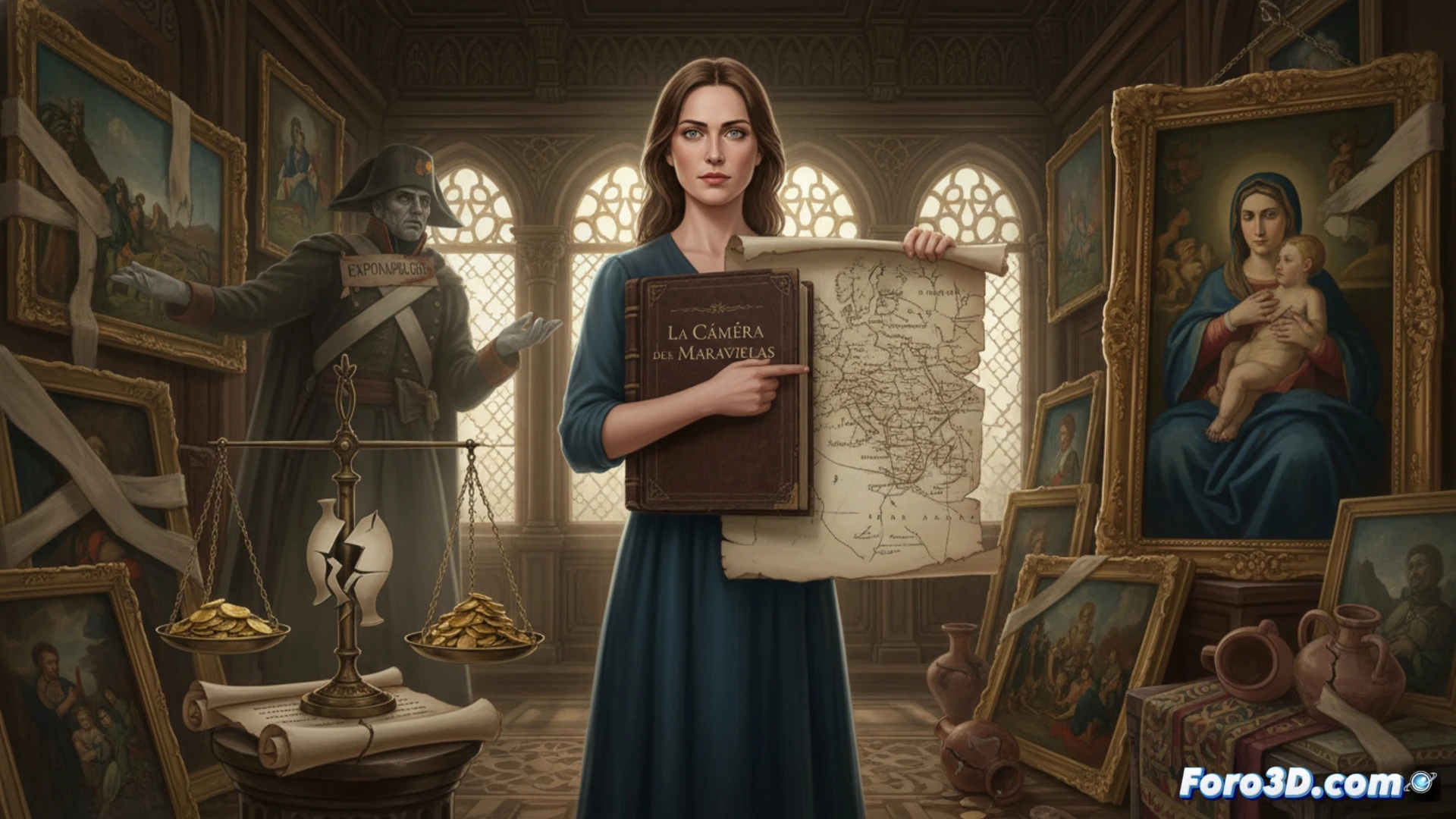
Photorealistic scene of a 19th-century French law document being stamped, excluding Napoleon-era paintings, while a Murillo canvas is secretly loaded into a black van under dim streetlights. An investigator uses a UV flashlight to examine the frame, revealing hidden inventory codes. The background shows a Parisian auction house with security cameras. Cinematic lighting, shadows, and dust particles emphasize the illicit transaction. Technical details include a magnifying glass, leather-bound ledger, and fingerprint smudges on the canvas edge.

区块链与数字注册追踪被掠夺艺术品 🔗

区块链技术能够为艺术品的来源创建不可篡改的记录。每一笔交易和所有权变更都被封存在区块链中,从而增加了伪造历史文件的难度。专家建议西班牙将其拿破仑时期掠夺档案数字化,并与国际数据库关联。这样,法国博物馆中任何一幅穆里略的画作都可以通过可验证的数字证据被识别并追索。

法国法律:归还,但并非全部 🎭

法国声称要归还被掠夺的艺术品,却排除了其历史上最有利可图的掠夺行为。这就像一个小偷归还了钱包,却留下了手表,因为手表属于钱包发明之前的时代。奥鲁尼亚称之为陷阱;我们称之为有格调的虚伪。不过,如果我们使用区块链,至少能知道手表在哪里。