Impresión tridimensional sanitaria: el avance que nunca llega al paciente

发布于 2026年06月09日 | 从西班牙语翻译

瓦伦西亚生物力学研究所与AIDIMME和AIJU共同宣布了一项利用3D打印制造定制假肢和夹板的项目。这听起来像是未来医疗的承诺,但公民纳税支持这些技术中心发表研究,而实际产品却从未真正进入公共医疗体系。西班牙的官僚主义和缺乏认证使这一进步变成了海市蜃楼。
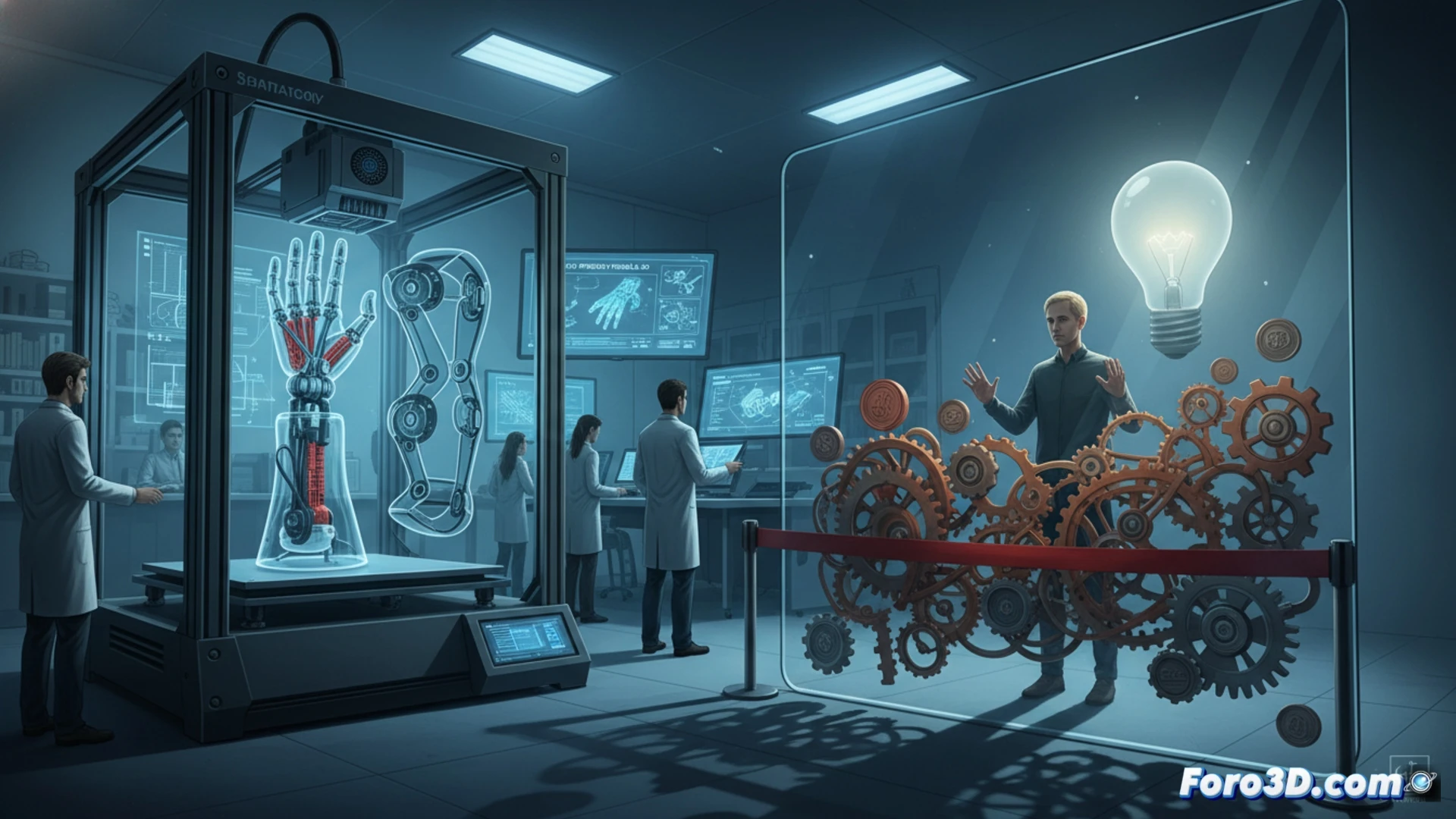
Photorealistic engineering visualization of a 3D printer extruding a custom medical splint, printer nozzle depositing white filament layer by layer, a human hand model beside it with a broken wrist, digital blueprint of the splint floating on a tablet screen, hospital bed in blurred background, paperwork stamped with DENIED in red, bureaucratic chains wrapped around the machine, cold metallic lighting, sterile clinical environment, dust particles suspended in air, frustrated doctor watching from behind glass, ultra-detailed mechanical components, cinematic depth of field, technical illustration style

实验室原型未能走出纸面 🧪

技术已经存在:患者3D扫描、参数化设计以及使用生物相容性长丝的增材制造。然而,整个过程在概念验证阶段就停滞不前。在德国和美国的医院,夹板可以在手术室中直接打印出来,而在这里,技术中心依赖欧洲补贴来生成论文。医疗认证的漫长周期将每个项目变成了一个没有临床终点的资金循环。

与此同时,患者只能坐着等待(带着他的石膏夹板) 🪑

有趣的是,当研究人员在科学期刊上发表论文时,私营企业却抢占了功劳,并以天价销售少数进入市场的夹板。系统就是这样运作的:我们用税收支付研发费用,然后以艺术品价格购买最终产品。与此同时,患者仍然使用着19世纪的石膏夹板。技术进步?是的,但只为了少数人的腰包。