El barro se come los embalses y no podemos construir más

发布于 2026年06月17日 | 从西班牙语翻译

西班牙拥有1200座水库,但由于环境影响,无法再新建任何一座。在韦斯卡省弗拉加,人们正在加高一座堤坝以增加一些容量,但真正的问题并非缺少水坝,而是底部堆积的淤泥。这层沉积物减少了可用水量,并可能给市民带来用水限制和更高的水费账单。
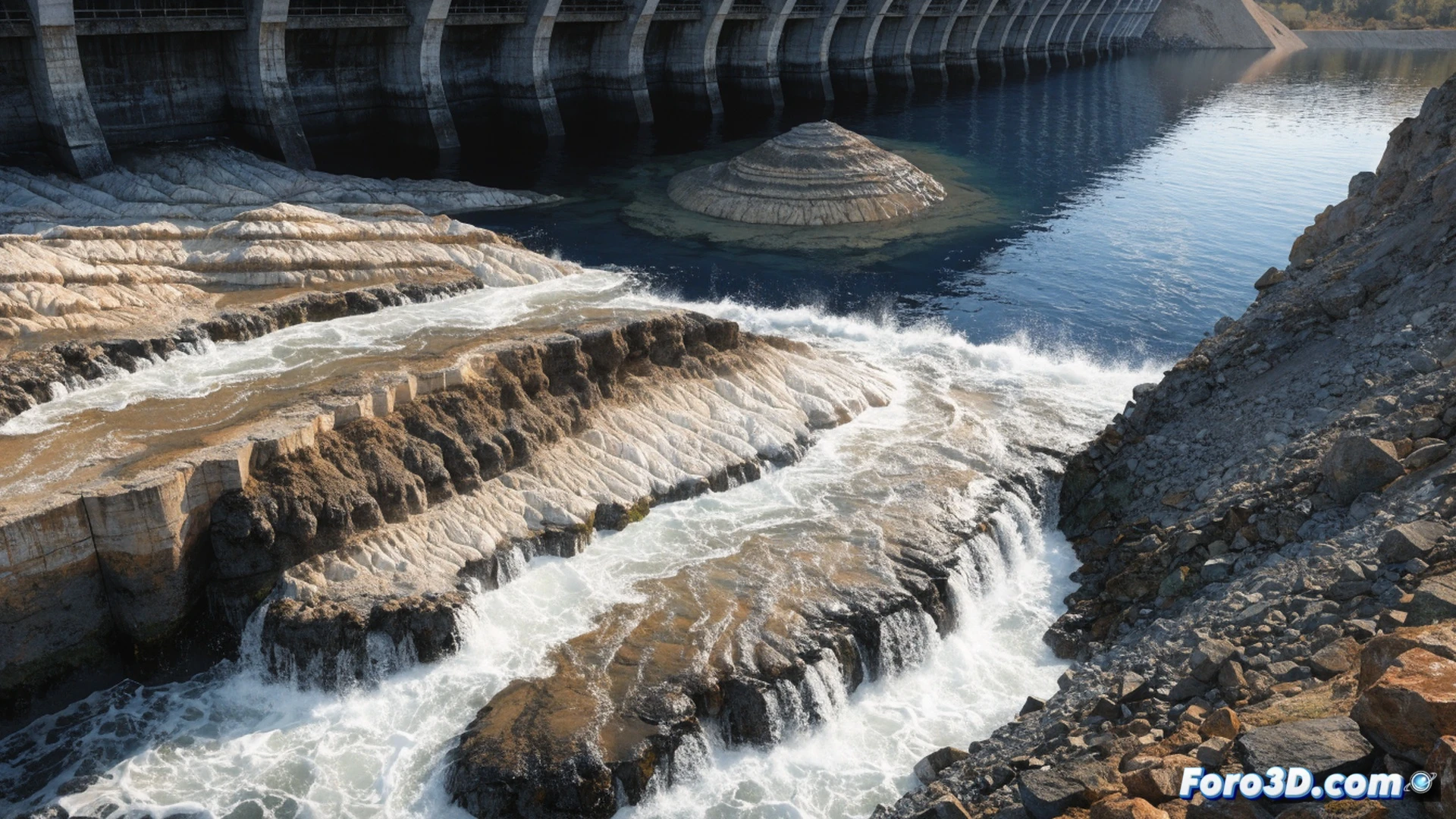
cinematic photorealistic engineering visualization of a large Spanish reservoir in Fraga Huesca, heavy excavator machinery digging thick brown sediment layer from dry cracked embankment bottom, workers in safety vests measuring sediment depth with surveying rods, a raised concrete dike under construction showing layered reinforcement bars, water level line visibly lowered exposing accumulated mud, sediment particles suspended in remaining water, dramatic overcast sky, industrial floodlights illuminating the scene, ultra-detailed earth textures, muddy tire tracks on construction site, technical documentation tablet showing sediment volume data, realistic environmental impact documentary style

加高老旧水坝:充满争议的技术方案 🌊

技术上的替代方案是加高现有水坝,即通过增加其高度来恢复因淤积而损失的库容。这一过程涉及加固混凝土结构、安装新闸门以及处理淤积的泥浆。但这并不简单:每次加高都需要进行地质研究、获得环境许可,并投入数百万的预算。此外,这也在支持增加容量的人和警告对河流产生影响的人之间引发了争论。与此同时,淤泥仍在占据上风。

淤泥不纳税,但很快就会让你掏钱 💸

当技术人员还在争论如何清除淤泥时,市民们已经能想象到下一张水费单上会多出一项淤泥附加费。也许我们应该给淤泥征收增值税,或者设立一项市政淤泥税。照这样下去,我们很快就要要求水库提交所得税申报表了。唯一可以肯定的是,在官僚主义和淤泥之间,水将成为一个持续的冲突。而且,我们可没法向淤泥申请贷款。