3D technology is transforming the plasterer's trade, enabling greater precision and less rework. With 3D scanners, irregularities in walls and ceilings are captured, generating digital models. A clear example: detecting unevenness before applying plaster, saving time and material. Programs like Autodesk Revit or SketchUp help with planning, while a scanner like the Matterport Pro2 streamlines data collection. 3D printing of decorative molds is also gaining ground.
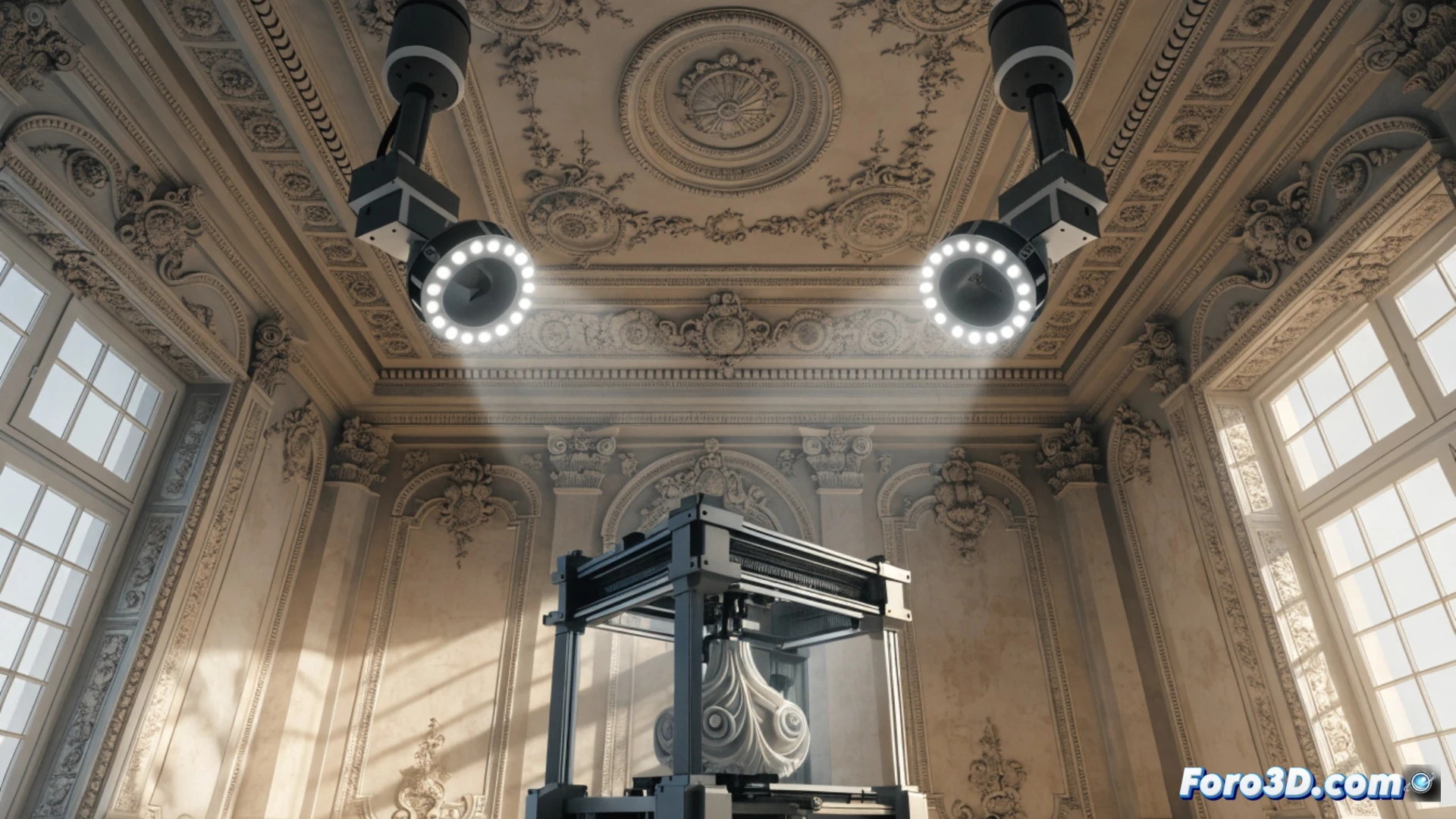
3D Scanner and Software: The Duo for Straight Walls 🛠️
To apply this technology, the plasterer needs a portable 3D scanner (e.g., Leica BLK360) that captures point clouds of the space. This data is processed in software like Recap Pro or MeshLab to obtain a mesh model. Then, in modeling programs like Rhino or Blender, the layers of plaster or moldings are designed. The 3D printer (FDM or resin type) materializes the designs. The workflow is direct: scan, model, print, and apply. It doesn't require being a CAD expert, just handling the basics.
The 3D Plasterer: Less White Dust and More Coffee at the Computer ☕
Now the modern plasterer not only fights against crooked corners, but also against the 3D printer drivers. That said, instead of spending all day with the trowel and mask, they sit down to model moldings on the computer while the scanner does the dirty work. Of course, white dust is replaced by cookie crumbs from break time. The irony is that you used to complain about plaster in your hair, now you complain that the software doesn't export the STL correctly. The trade advances, but patience remains the same.