Wetour Robotics, based in Austin, Texas, proposes a shift in the race for Physical Intelligence. Instead of obsessing over more autonomous automatons, their bet is clear: advanced interfaces that turn us into the central node of computing. Wearable robotics, not the humanoid robot, would be the key to integrating humans into the network.
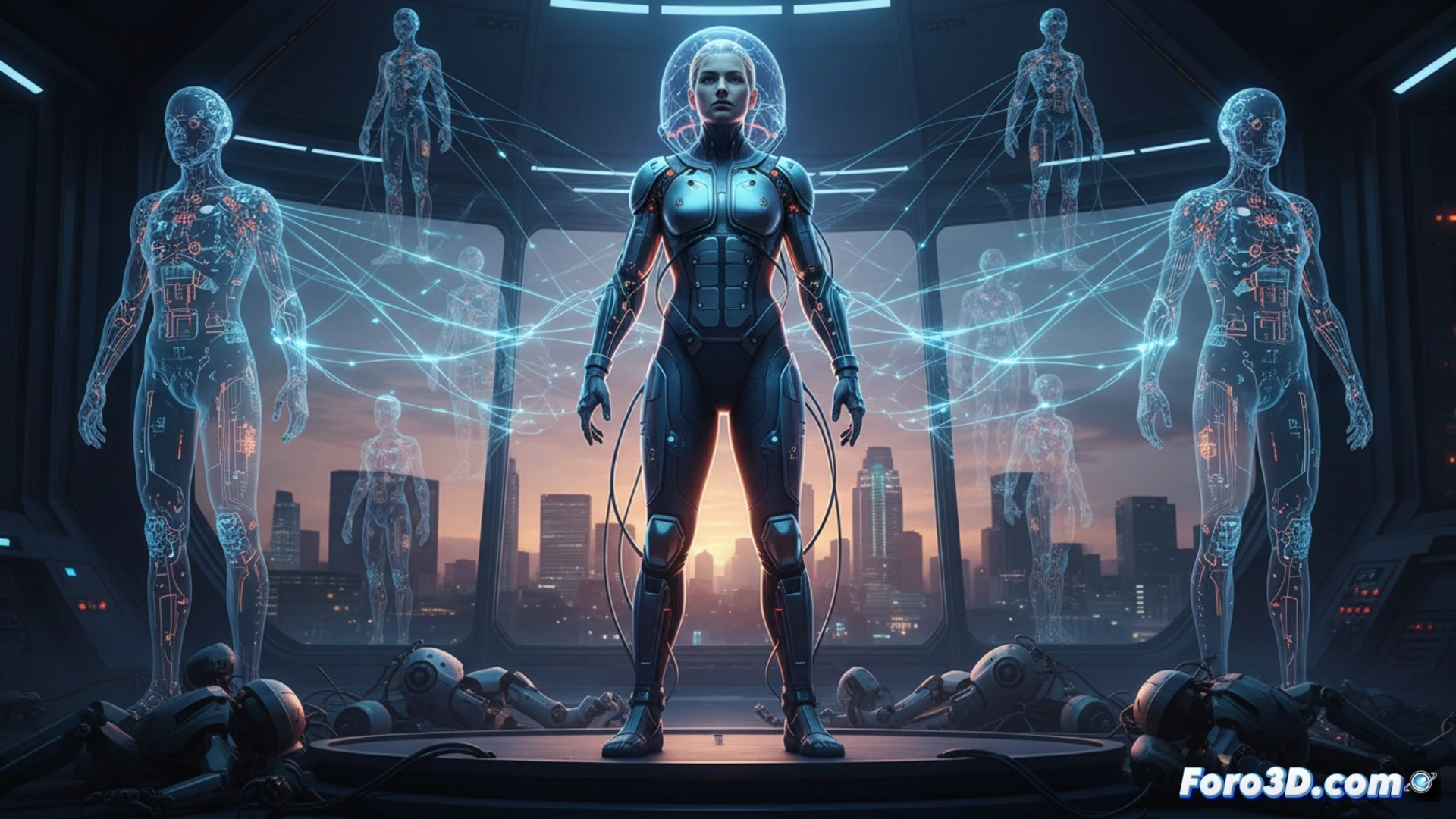
Interfaces that merge us with the machine 🤖
Wetour's development focuses on exoskeletons and body sensors that act as a bridge between the user and the computational cloud. These devices capture biometric and gestural data, processing it in real-time to execute assisted physical actions. The goal is not to replace the human, but to amplify their capabilities through a direct connection with distributed AI systems, eliminating the need for the robot to think for itself.
Goodbye, smart robots; hello, humans with batteries ⚡
So, according to Wetour, what we need is not a metal butler to serve us coffee, but a harness that turns us into a walking workstation. The good news is that if you forget to charge the exoskeleton, at least you'll have a perfect excuse not to lift a finger. Physical AI is not coming to enslave us, but to remind us that the real hardware was always us, complete with our low-voltage days.