The announcement of Wanderer: The Fragments of Fate marks a turning point in historical simulation for virtual reality. This complete remake not only updates the gameplay but also leverages modern hardware to reconstruct past eras with a photographic level of detail. The decision to use Unreal Engine 5 as a foundation allows for the implementation of dynamic lighting systems and virtualized geometry that were unthinkable in the previous generation of VR hardware.
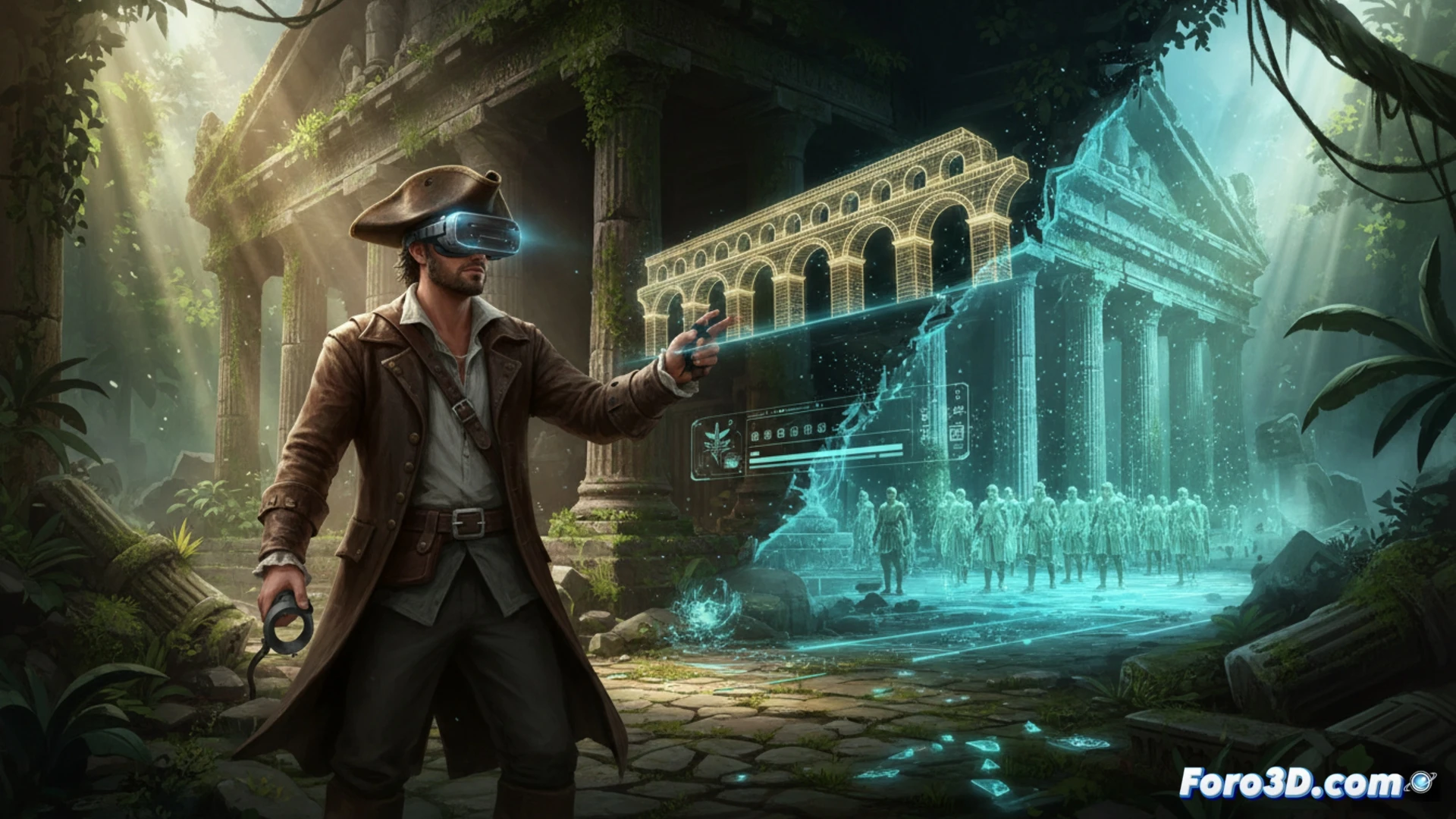
Technical Pipeline: From Maya to Substance and the Lumen Lighting Engine 🎨
The artistic workflow relies on Autodesk Maya for creating high-density polygonal assets, combined with Substance Painter to generate 4K resolution textures that withstand the close scrutiny of the VR headset. The true technical leap lies in the implementation of UE5's Lumen and Nanite. Lumen enables real-time indirect light bounces, recreating the atmosphere of historical interiors with a fidelity that previously required grueling baking schedules. Meanwhile, Nanite manages geometry with millions of polygons without compromising the 90 fps needed to prevent motion sickness in VR, optimizing rendering for high-end graphics cards like the RTX 4090.
Lessons for Developers: Immersion as a Documentation Tool 🏛️
This project demonstrates that high-fidelity VR is not just entertainment, but a viable platform for heritage visualization. The combination of high-resolution textures with cinematic post-processing (depth of field, controlled chromatic aberration) elevates the experience to a documentary level. For studios looking to create training simulators or historical tours, Wanderer is a perfect case study: it shows that investing in a robust pipeline with Maya and Substance Painter, along with the power of UE5, can translate into a VR experience that feels not like a game, but like time travel.
How does Wanderer: The Fragments of Fate in Unreal Engine 5 balance historical accuracy with the technical limitations of virtual reality to immerse the player in different eras without breaking the illusion of realism?
(PS: Virtual reality is great until you try to lean on a table that doesn't exist.)