Volvo is preparing to integrate Google Maps' immersive navigation into its vehicles. This technology offers 3D routes and landmark-based directions, instead of just street names. Additionally, Gemini could identify road markings and traffic signs in the future, a feature that promises to simplify driving but demands maximum precision to avoid costly errors.
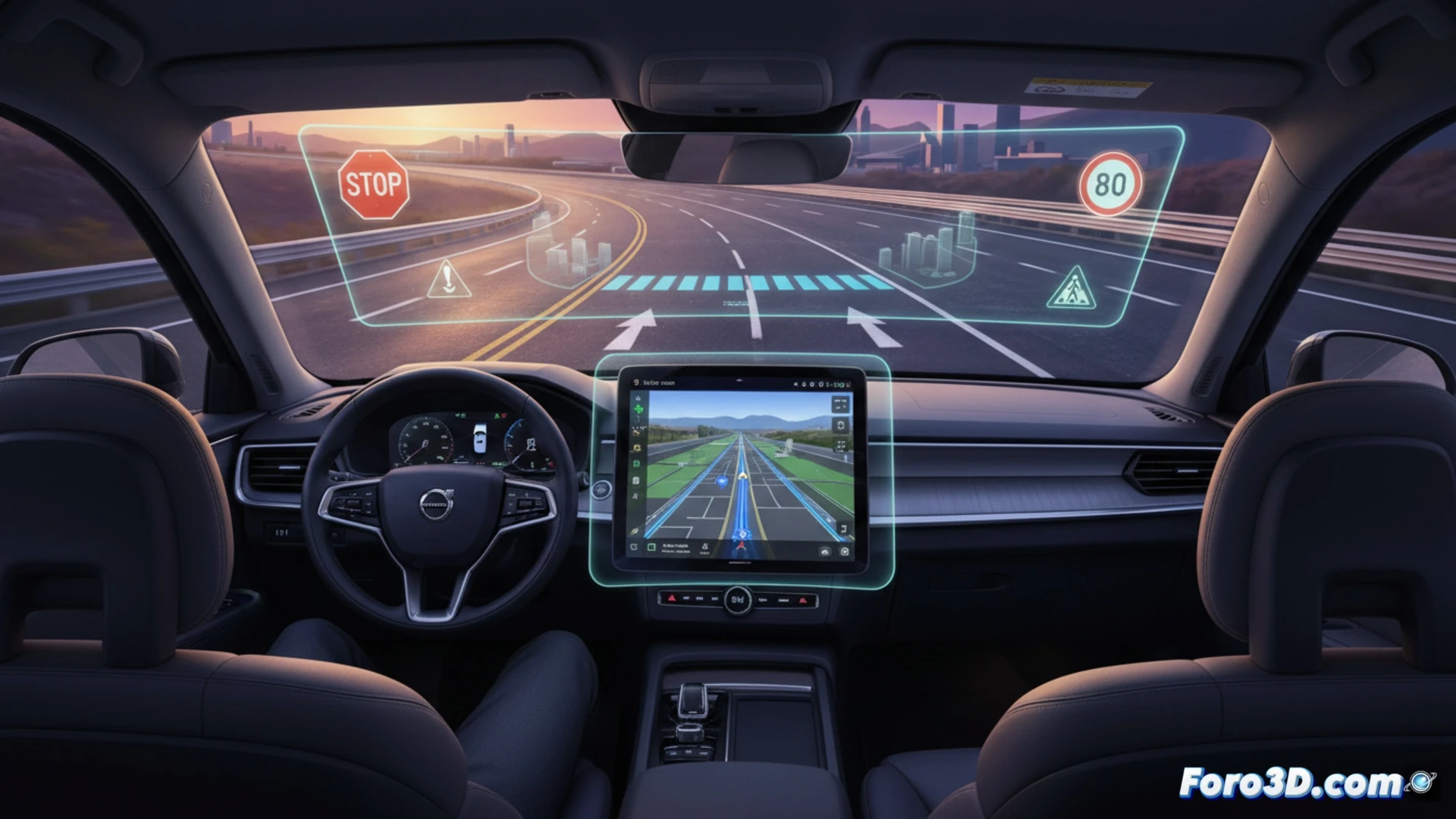
The technical challenge of reading the asphalt correctly 🚧
The key to the system lies in the exact interpretation of parking signs, speed limits, or prohibitions. A failure to recognize a loading/unloading sign could result in a fine or the car being towed. Google must ensure its computer vision and the Gemini model work flawlessly, as driver trust depends on the technology not failing in everyday situations.
Misread parking sign: goodbye car, hello tow truck 🚗💨
Imagine your Volvo tells you: you can park here without any problem, and when you return, you find a tow truck note with a warm greeting. The car, with all its artificial intelligence, will have led you straight to a fine. Google is under pressure not to turn its immersive navigation into a GPS that guides you to the impound lot. Because if it fails, drivers will disable the feature faster than a yellow traffic light.