A recent study reveals that cargo ships equipped with sails or wind rotors could complete certain routes without using fossil fuels, provided they plan their journeys prioritizing areas of favorable winds. This approach, although still experimental, promises a significant advance in the decarbonization of the maritime sector, which is responsible for a considerable portion of global greenhouse gas emissions.
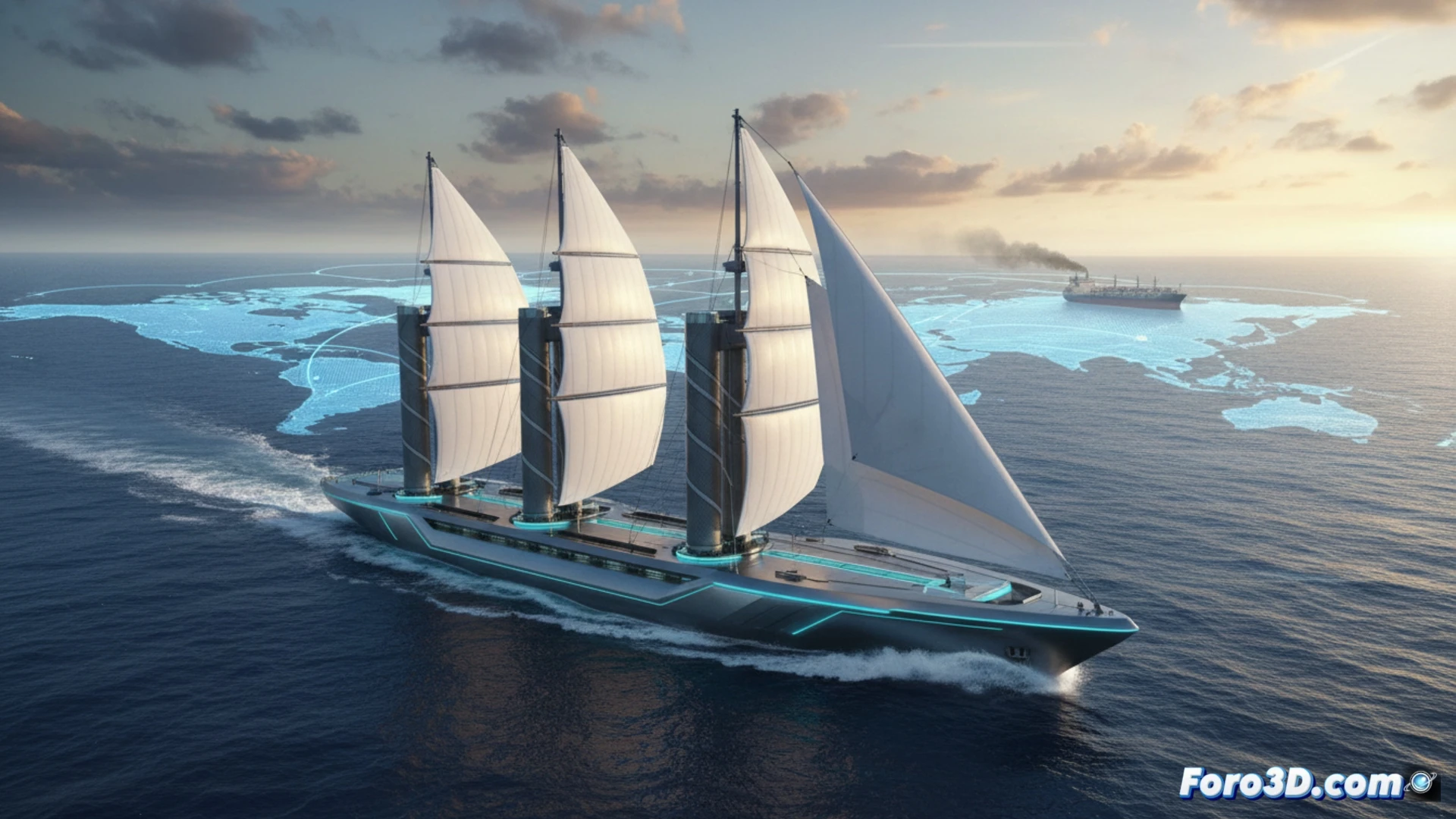
Naval wind technology and the challenge of climate planning 🌬️
Wind technology for ships already exists, with designs like rigid sails or Flettner rotors that harness the power of the wind. However, researchers emphasize that its maximum potential is only achieved with flexible, climate-adapted route planning. This involves adjusting logistics and delivery times, prioritizing energy efficiency over speed, which would require changes in current maritime transport business models.
Goodbye to delivery deadlines, hello to the whims of Aeolus ⛵
Imagine ordering a shipment of smartphones and receiving it whenever the wind feels like blowing. The new model of ecological maritime transport could turn captains into amateur meteorologists, consulting wind apps instead of route maps. Shipping companies will have to explain to their customers that their package was not delayed due to a strike, but because the wind decided to take a vacation in the Atlantic.