Scientists have monitored vibrations at 37 points of the Great Pyramid of Giza to decipher its resistance to earthquakes. The study reveals that its robust design, with relief chambers above the king's chamber, distributes stress evenly. Despite historical earthquakes such as the magnitude 6.8 quake in 1847, the structure has only suffered minor damage, demonstrating exceptional stability.
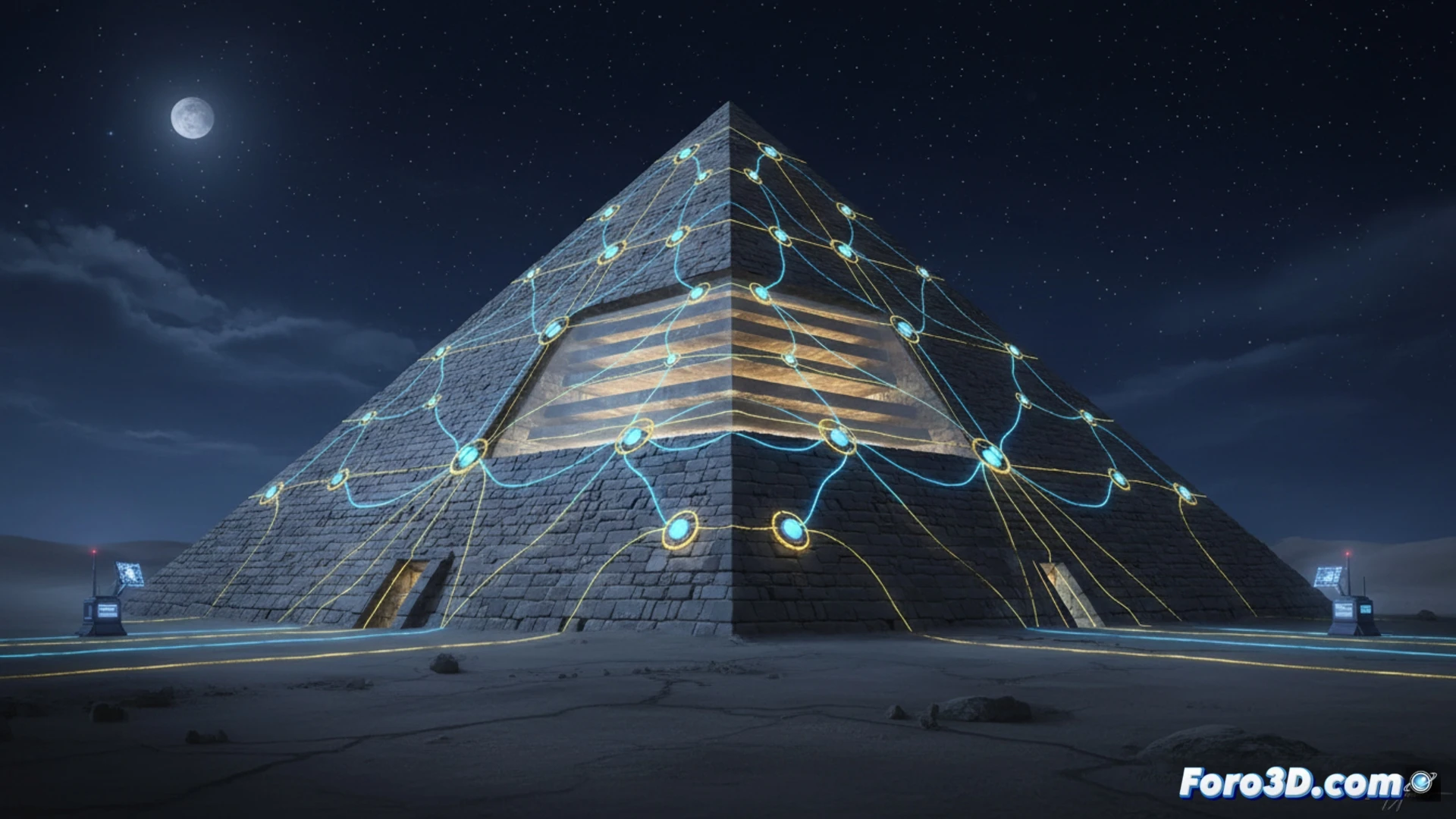
Relief chambers: the engineering that absorbs impact 🏛️
The sensors captured how vibrations from waves and human activity dissipate through the pyramid. The relief chambers, located above the king's chamber, act as natural dampers that redirect energy. This technical finding explains why, unlike other ancient structures, the pyramid did not collapse during seismic movements. Researchers highlight that the Egyptians applied load distribution principles without modern calculations, a remarkable achievement for their time.
Spoiler: the Egyptians already had an earthquake-proof manual 🤯
While today we spend fortunes on state-of-the-art seismic isolators, it turns out that four thousand years ago, some guys with ropes and ramps had already figured it out. The pyramid, with its relief chambers, basically tells earthquakes: go ahead, there's no tension to break here. And the best part is that they didn't even need technical regulations or computer simulations. Maybe we should ask them before calling the architect.