Globalized tourism has turned the travel experience into a vacuum-sealed product. We are sold the idea that getting to know the world means collecting airports, selfies in front of monuments, and passport stamps. But the modern traveler no longer gets lost, doesn't get truly dirty, doesn't need to learn another language out of necessity. They return home with the same mind as always, only with more filters on their phone and without ever having looked into the eyes of the other.
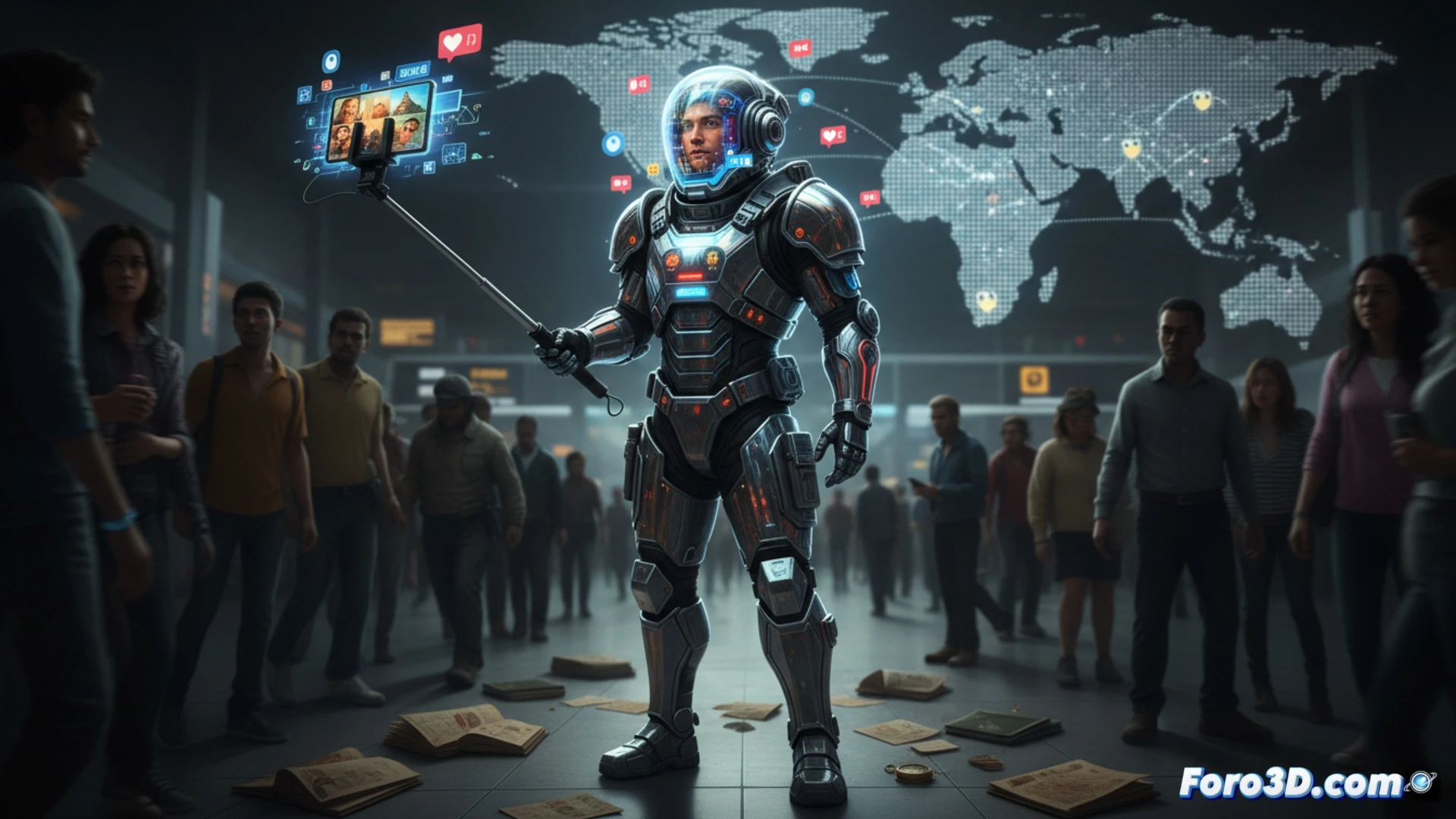
The algorithmic bubble as a substitute for the sense of direction 🧭
Technological development has eliminated the uncertainty of travel. Map applications, instant translators, and massive reviews turn any alley into a georeferenced point. The traveler doesn't negotiate prices, doesn't decipher signs, doesn't communicate with gestures. The experience is filtered through a screen that dictates where to eat, what to see, and how to get there. The result is frictionless movement, a comfort bubble that prevents real contact with the unknown. Technology, instead of opening doors, has built a climate-controlled corridor.
The most expensive souvenir: a photo without a memory 📸
The ultimate irony comes when the tourist spends a thousand euros on a flight to queue for two hours, take a photo they've already seen a thousand times on Instagram, and go back to the hotel to charge their phone. Then they boast about having discovered the world, but all they discovered was that the airport wifi is faster than the hostel's. Traveling without getting lost is like eating without chewing: it fills you up, but it doesn't nourish you. And on top of that, the most expensive souvenir is a SIM card with unlimited data.